
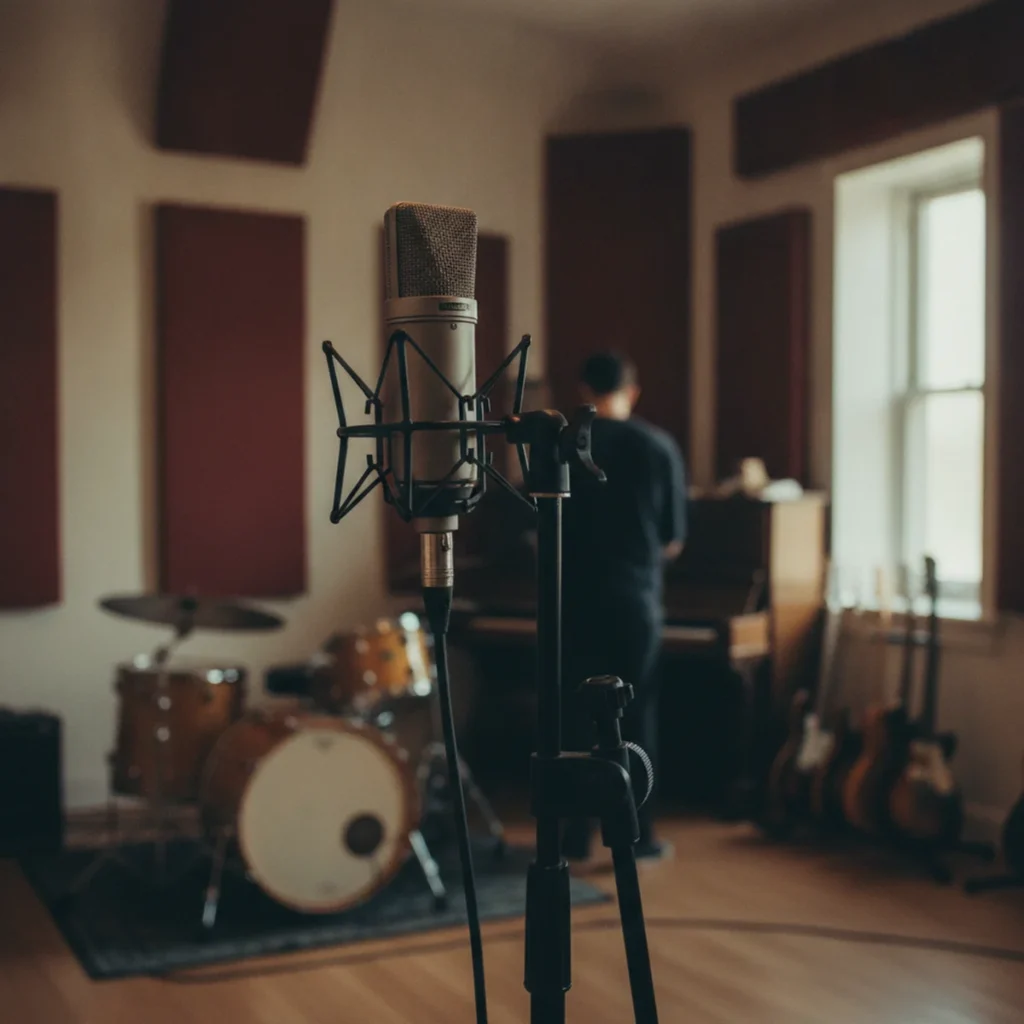
Recording a band together in one room is slower, more expensive and harder to fix. A lot of groups are choosing it anyway.
For two decades the default way to record a rock band was one instrument at a time. A growing number of groups have gone back to standing in a room and playing at once, and the reasons are more practical than romantic.
You can listen to our full playlist which contains the artist’s music, and know more about the artist’s work by scrolling down the page.

PLAYLIST
Choosing the Harder Method
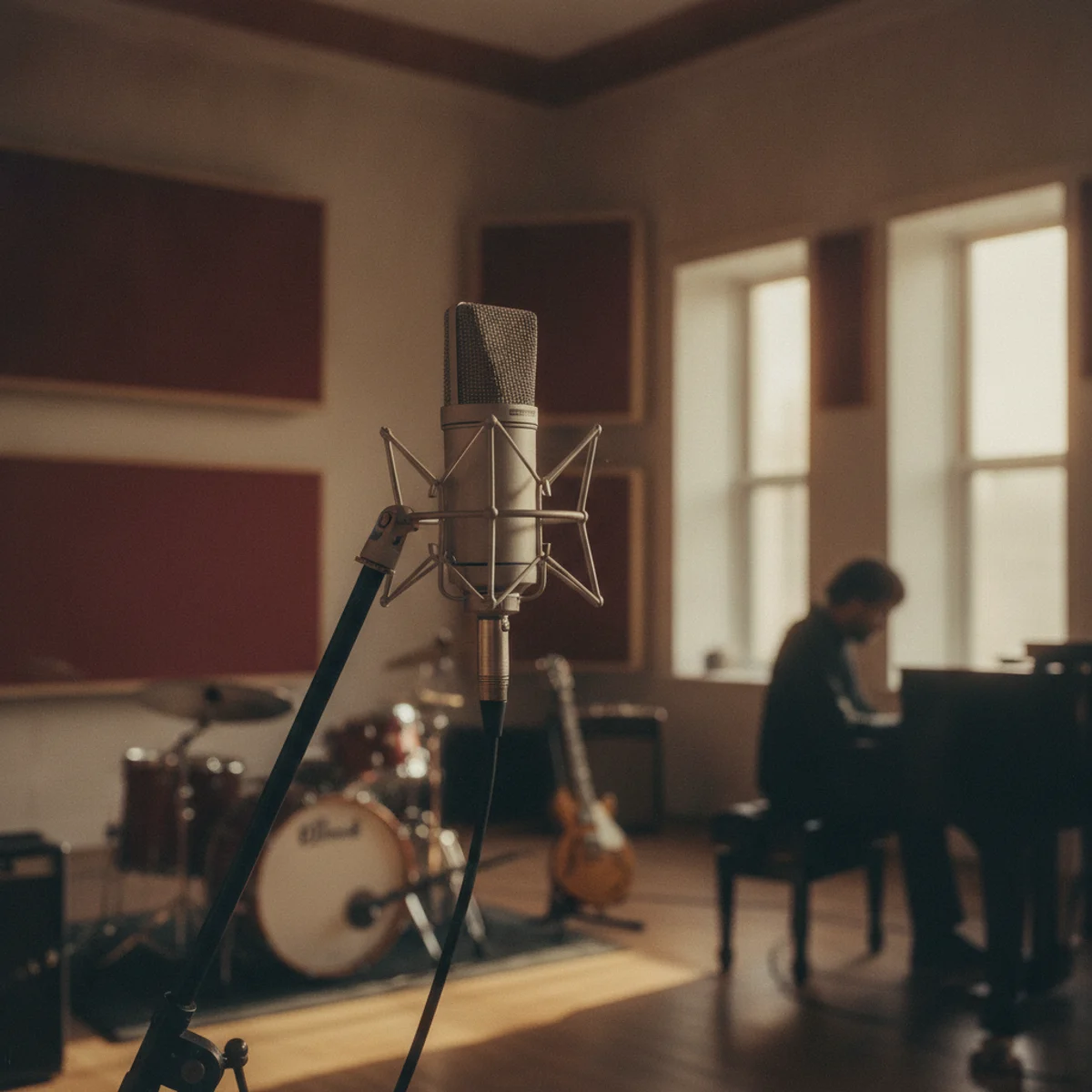
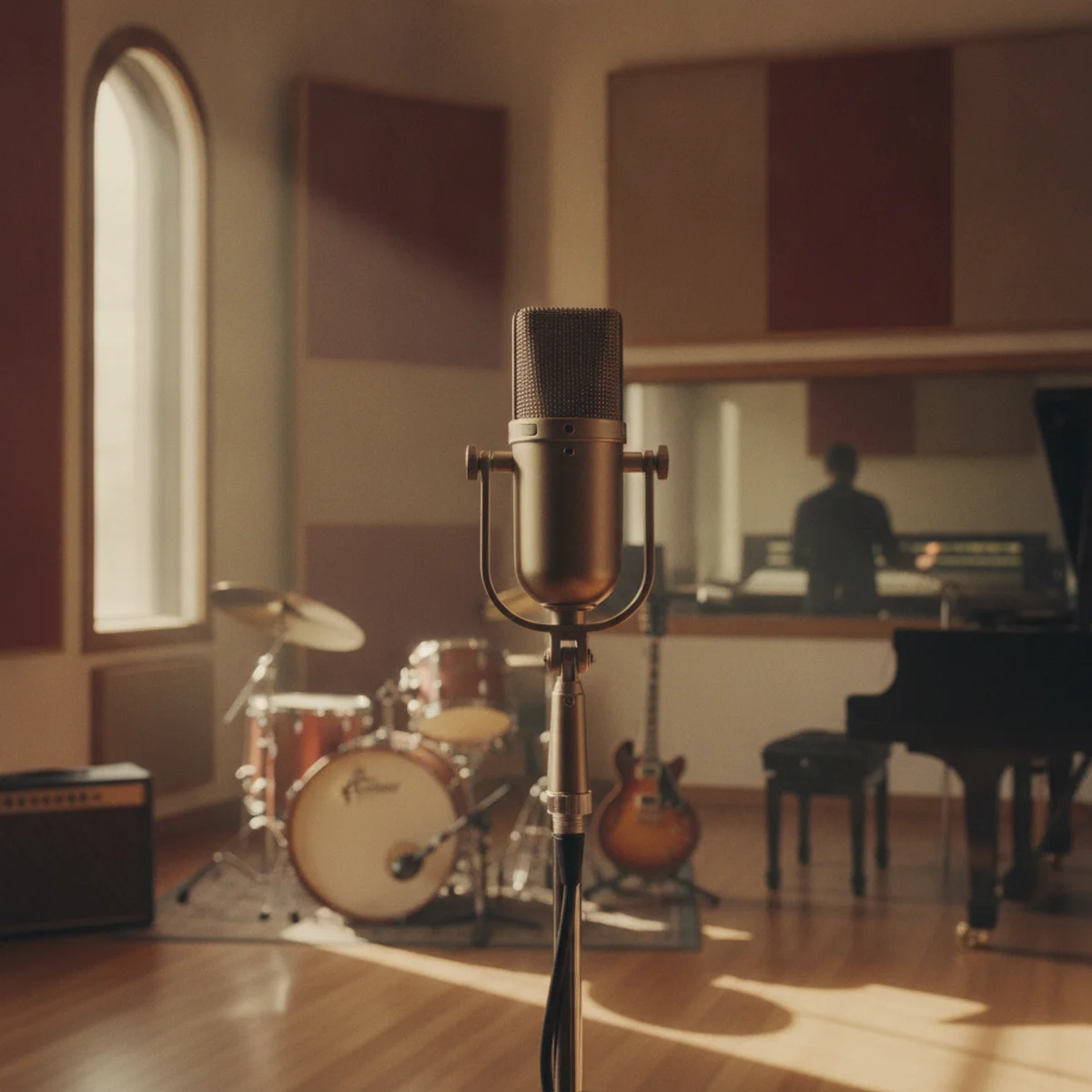
Recording a band playing together in one room is slower, more expensive and much harder to fix afterwards, and a substantial number of guitar groups are choosing it anyway.
The dominant alternative — tracking drums first, then bass, then guitars, then vocals — offers total control. Every part can be perfected in isolation and replaced at any point without affecting anything else.
Groups returning to live tracking are giving up that control deliberately, which suggests they are getting something in exchange that the controlled method does not provide.
Interaction Only Happens in Real Time
The thing being bought is ensemble interaction, and it is not available in a layered session because it requires musicians responding to each other as they play.
A drummer pushing slightly ahead into a chorus while the bassist follows, a guitarist leaving space because the singer did something unexpected, a whole band lifting on the last chorus — these are reactions, and they need everyone present.
Layered recording can reproduce the notes but not the reactions. Each player is responding to a fixed recording rather than to a person, and the result tends toward accuracy without the small mutual adjustments that make a band sound like one thing.
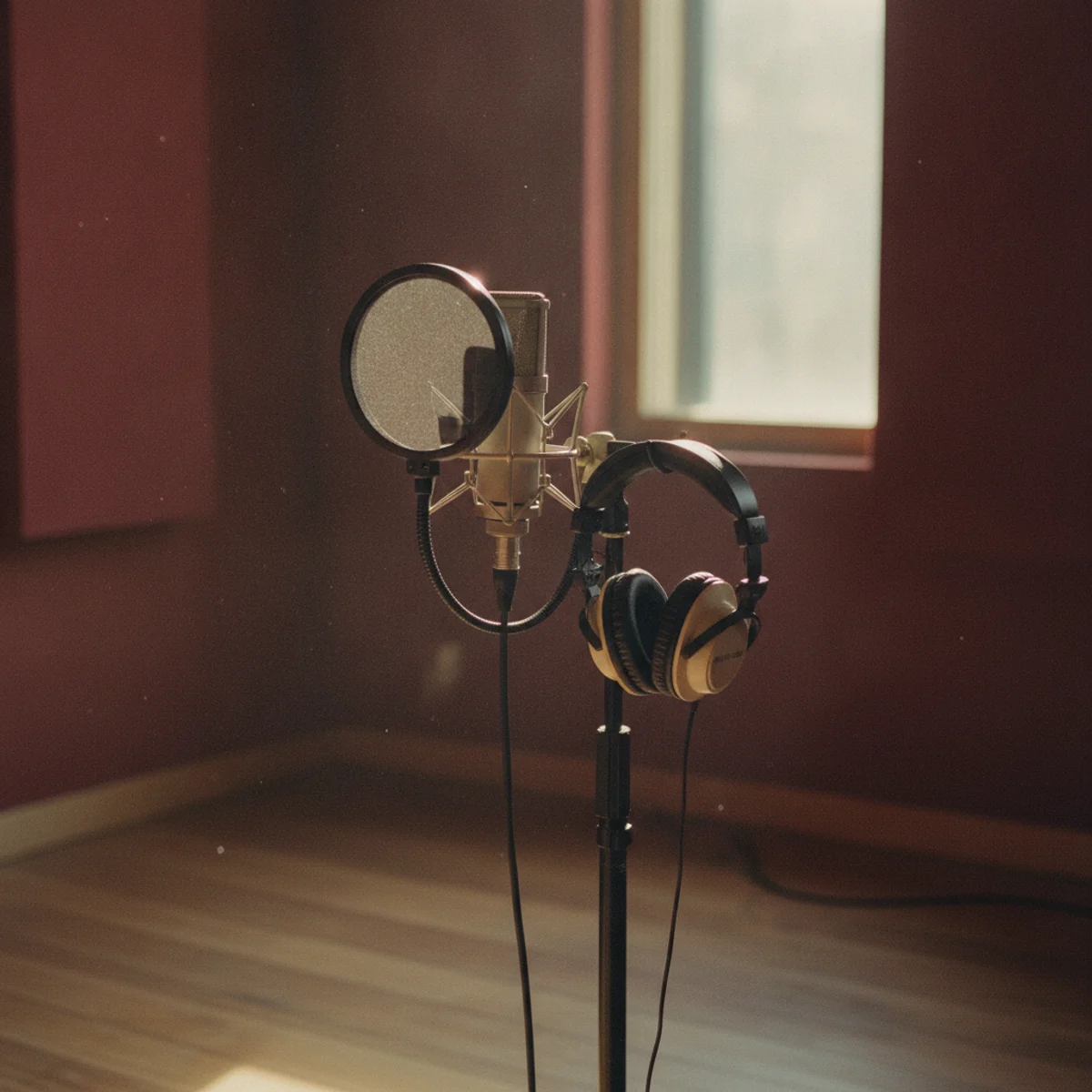
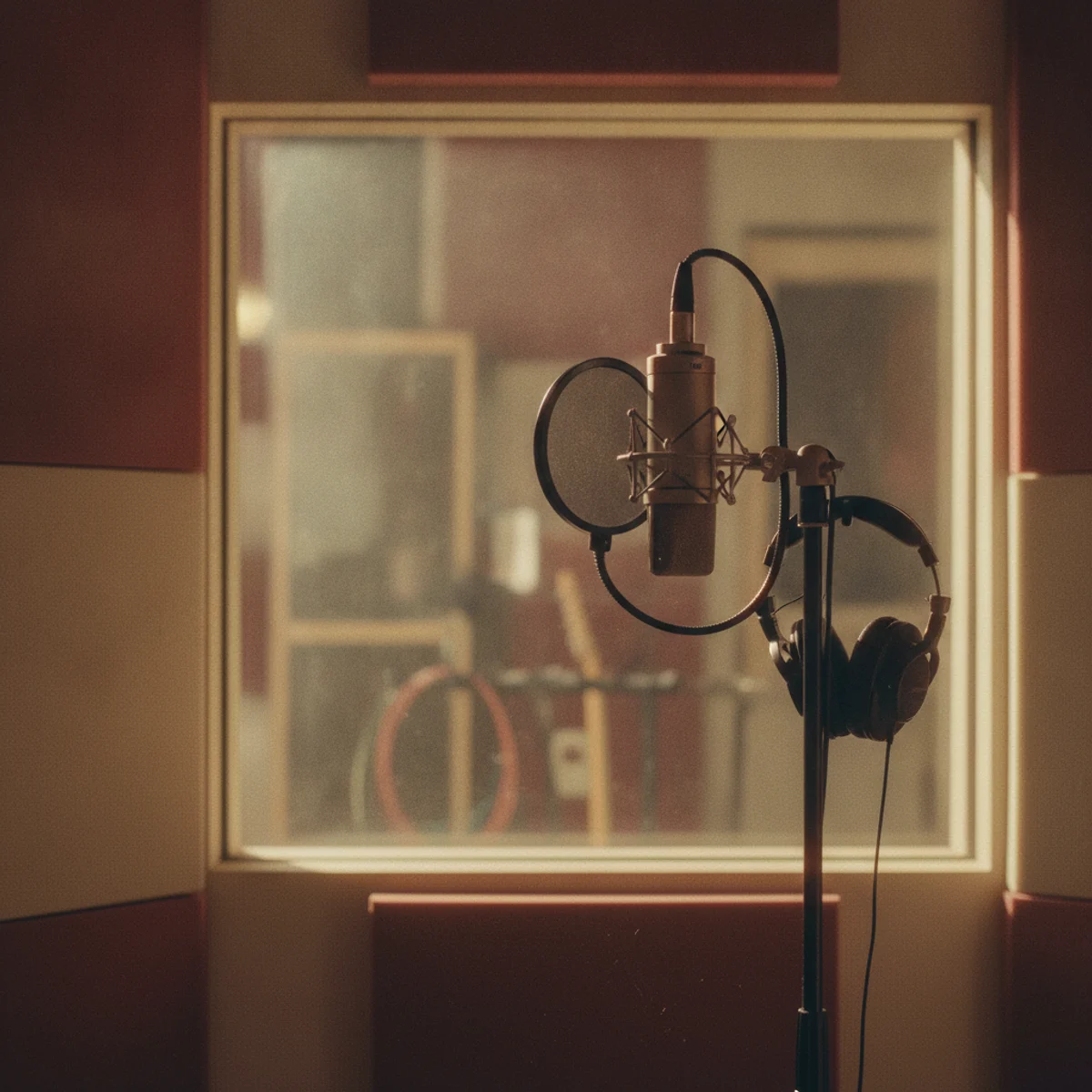
Headphone mixes are the practical obstacle most often underestimated. Getting six players each hearing a balance they can perform to takes real time and a monitoring system that many rooms do not have, and a bad headphone mix will ruin takes that the band could otherwise play.

Micro-Timing Carries the Feel
The mechanism underneath this is timing at a scale too fine to notate. Players in an ensemble consistently place notes slightly ahead of or behind the beat relative to each other, and those relationships are stable and characteristic.
That is a large part of what listeners describe as feel or groove, and it emerges from mutual adjustment. When each part is recorded separately against a click, every player aligns to the grid rather than to each other, and the relationships disappear.
Quantised, grid-aligned playing is not wrong, and it suits a great deal of music. It is simply a different thing, and it cannot be converted back into ensemble timing by adding swing afterwards.
Commitment Speeds Everything Up
There is a practical benefit alongside the musical one, which is that live tracking forces decisions that layered recording allows you to postpone indefinitely.
When a take is the take, arrangement questions get settled in the room. Nobody spends three weeks deciding whether the second guitar should be there, because the second guitar was either played or it was not.
Records made this way frequently finish faster overall despite the session being harder, because the mixing stage has far fewer options to evaluate and far fewer decisions left outstanding.
Deciding what constitutes a keeper also changes. In a layered session a take is judged part by part; live, a take with one weak moment and five excellent ones may still be the right choice, and making that call requires someone willing to accept an imperfection.

The Costs Are Real
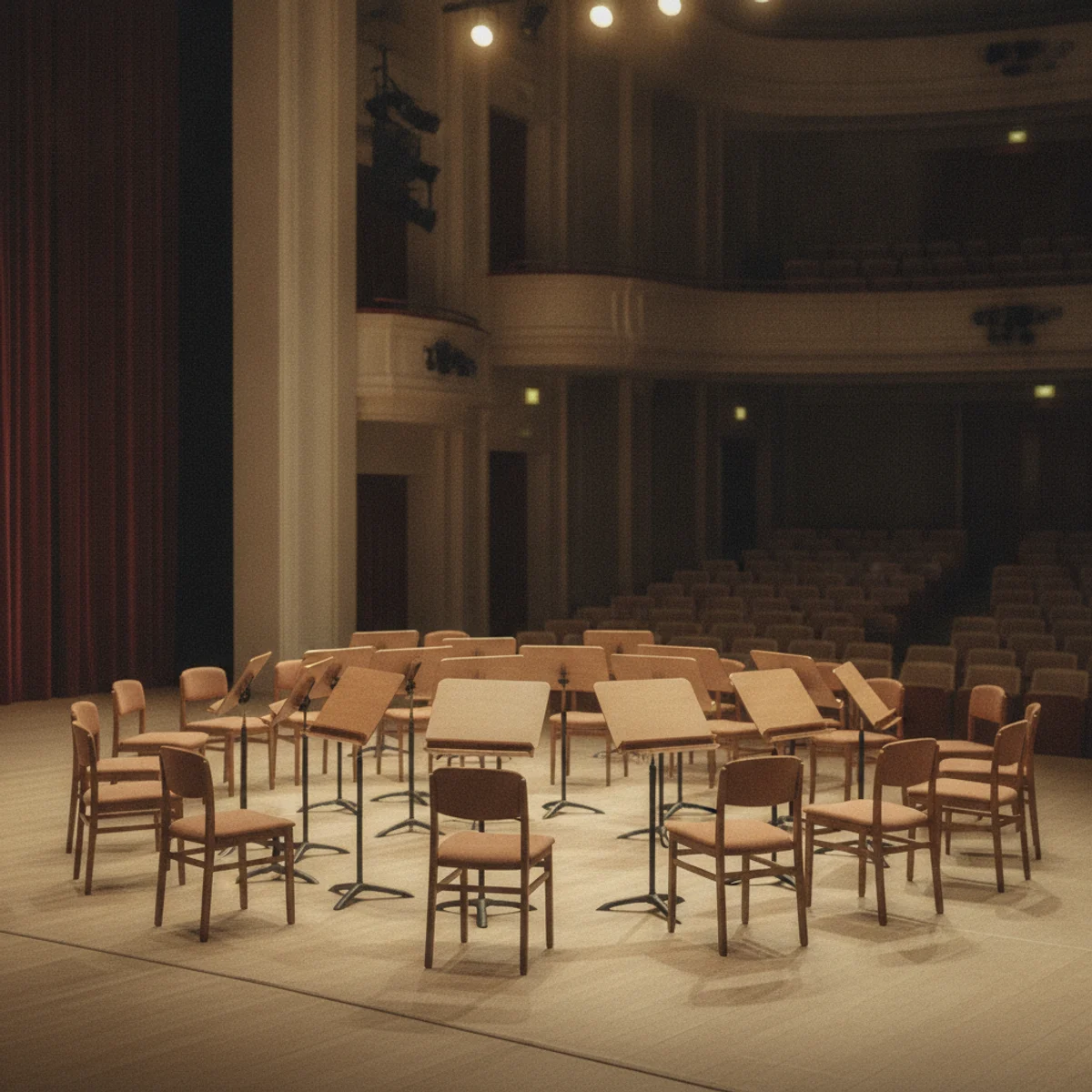
Being honest about the trade matters. Live tracking requires a room large enough to hold a band with acceptable separation, which is expensive and not widely available.
It requires a band that can play the material properly, since there is no fixing a part that was never performed well. That means rehearsal time, which is its own cost.
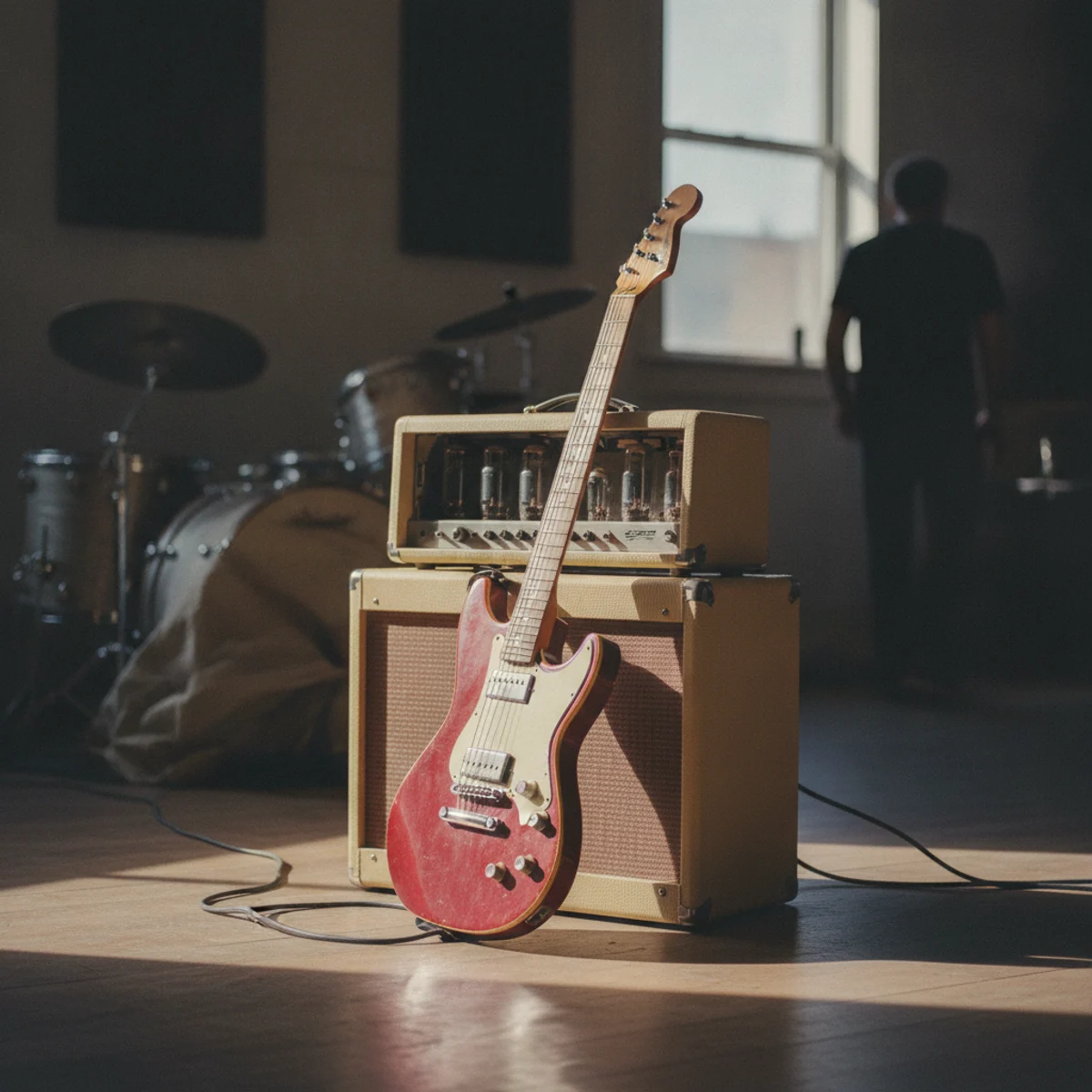
And leakage means individual elements cannot be substantially changed later. A guitar tone that turns out to be wrong is wrong on the record, because it is in every microphone.
Why It Is Coming Back Now
The timing is not coincidental. As production tools have made grid-perfect, fully controlled records trivially achievable, that sound has become the default and stopped signalling anything.
A record that audibly documents people playing together is now the distinguishing choice, in the same way that deliberate imperfection has become the marked option in other areas of production.
There is also an audience argument. Listeners cannot usually identify what makes a live-tracked record different, and they respond to it consistently. Whatever the mechanism, the ensemble quality survives compression, small speakers and distracted listening in a way that fine production detail does not.
The revival also tracks the availability of rooms. Large live spaces have become scarcer and more expensive as studios closed, so the bands doing this are frequently working in converted buildings and residential studios rather than in the facilities the method was developed in.

About The Author
