Rock

The Long Way to Yours Faithfully, OneNamedPeter’s Album Signed off Like a Letter

A Sussex Songwriter Gathers a Year of Singles Into an Album Framed as a Letter

The Yours Faithfully album opens with a 94-second song called Dear Me. That one decision tells you how to read everything after it. OneNamedPeter, the Sussex-based UK singer-songwriter, built his new record like a letter. It runs from a greeting at the top to the formal sign-off in its title. It came out on September 25, 2026, after a year in which five of its songs arrived first as singles.

OneNamedPeter’s Dear Me, the greeting that opens Yours Faithfully, is in the playlist below. His full run of coverage sits on his artist profile. The album reached this desk through PopHits.Co Music Charts, which verifies independent artists and places their releases across its network of music news titles. Give it a spin, then read on for how the rest of the letter comes together.


The Long Way to Yours Faithfully, OneNamedPeter's Album Signed off Like a Letter
The Long Way to Yours Faithfully, OneNamedPeter’s Album Signed off Like a Letter

Five Singles Across 2026 Led Up to the Yours Faithfully Album and Its Letter-Shaped Running Order

The album was a long time arriving, one song at a time. Strange-Eyed Constellations came out on New Year’s Day. United Nations followed in February, and The Loneliest Boy in Tokyo in April. Then When the Sky Is Blue landed at the end of August. It was also issued in a separate Celestial Version. Finally, Click appeared two weeks before the album itself. In addition, three of those songs got their own music videos on his YouTube channel.

Most artists would let a run like that stand as a string of separate releases. OneNamedPeter decided to gather the five into a single record, alongside six songs that had not been out as singles. Then he gave the whole thing a frame. Dear Me is the salutation. Love Is, under three minutes long, is the closing line. The title is the sign-off you would write under both. His own website now greets visitors as though they were the person the letter is addressed to.

That frame matters because it turns a year of drip-fed singles into something that reads in order. Heard one at a time, The Loneliest Boy in Tokyo and Click were simply new songs. Heard between Dear Me and Love Is, however, they become paragraphs in the same piece of correspondence.

Eleven Songs in 35 Minutes Carry OneNamedPeter’s Alt-Folk and Alt Rock Pop Further After Passing for Human

Yours Faithfully runs to eleven songs and 35 minutes, and it is self-released, with OneNamedPeter holding the rights to the recordings. The shortest track is the opening greeting. The longest is The Loneliest Boy in Tokyo at 4 minutes 25 seconds. It was also the third of the five singles. Meanwhile, the record moves between alt-folk, alt-country and alt rock pop, and Apple Music files it under pop and singer-songwriter.

The song titles sketch an album that travels a long way from its starting point. There is a lonely boy in Tokyo, the United Nations and a Night In the City. There are Strange-Eyed Constellations, a Renegade Angel and even a Tardis. Finally, the closing Love Is brings it back home. For a record shaped like a letter, that sense of distance between writer and reader fits.

It also follows quickly on its predecessor. Obscure Sound reviewed Passing for Human in December 2025. It described a solo-made album born from a renewed burst of inspiration after a three-year pause. That review heard reflective folk, rock energy and a dreamy synth layer. The songs dealt with alienation, love and wanting to escape a small town. Yours Faithfully arrived less than a year later, which suggests the burst has not run out yet.


Watch the video and check the artist’s YouTube channel for more.

The Long Way to Yours Faithfully, OneNamedPeter's Album Signed off Like a Letter
The Long Way to Yours Faithfully, OneNamedPeter’s Album Signed off Like a Letter

Who Yours Faithfully Is For

This is for album listeners who like British singer-songwriter pop that moves between acoustic folk and rock. It also suits anyone who enjoys a record with a frame around it. When Obscure Sound reviewed Passing for Human, it reached for two names, and both work as reference points here. XTC made sharply written English pop with jangling guitars. For example, records such as Skylarking (1986) showed how far a pop album could go when sequenced as one piece. Momus, the long-running project of Nick Currie, built a catalogue of literate, wry songs that moved from acoustic folk into synth-pop. That overlaps with the folk-to-synth range Obscure Sound heard on Passing for Human.

Where Yours Faithfully Sits in His Catalogue

OneNamedPeter has been releasing albums steadily since 2020. The run goes from Esc and Atlas that year through Stupidly Happy, Hurts, Pan and Passing for Human. Each one gets its own page on his website, with songs, videos and lyrics. As a result, the catalogue is easy to explore from the start. Yours Faithfully is the newest entry, and it is shaped as a single message from beginning to end.

From the NewMusic.News curator team:

“Plenty of albums are collections of singles that never quite admit it. This one admits it gracefully. By opening on a short greeting and closing on a short reply, OneNamedPeter gives a year of separate releases a reason to sit together. The running order does the work a concept album usually needs a narrator for.”

Where to Stream the Yours Faithfully Album and Follow OneNamedPeter, a Sussex Songwriter

The Spotify player at the top of this article streams all eleven songs of Yours Faithfully. The album is also on Apple Music. In addition, the video for The Loneliest Boy in Tokyo is on his YouTube channel.

Follow OneNamedPeter on Spotify, Apple Music, Bandcamp, SoundCloud, and Deezer. He also posts on Instagram, Facebook, and X. His official site has a page for every album, with lyrics and videos.



Return Trip on Film Scenes, Spanish Roots and the Making of ReScore

Return Trip on Film Scenes, Spanish Roots and the Making of ReScore

A Cádiz-Based Composer Writes New Music for Scenes From The Sheltering Sky and Cosmos Laundromat On 17 June 2023, musicians…

The Long Way to CRYING STARS: Alex Shkudun on a Year of Poems, Piano and Three Languages

The Long Way to CRYING STARS: Alex Shkudun on a Year of Poems, Piano and Three Languages

A Ukrainian Songwriter Looks Down on Fallen Empires, Floods and Towers From the Night Sky Before CRYING STARS existed, Alex…

Inside Ghosts: How Abby Power Built a London Rap Single About Staying Yourself with SamXVI

Inside Ghosts: How Abby Power Built a London Rap Single About Staying Yourself with SamXVI

Brett Miller on Self-Doubt, One Second of Hope and the Making of Heaven

Brett Miller on Self-Doubt, One Second of Hope and the Making of Heaven

Rachel Chinouriri Built Her Second Album Around One Night Out

Rachel Chinouriri Built Her Second Album Around One Night Out

Inside Proceed 2: How Kennard Built a Baltimore R&B Album From Loss and Patience

Inside Proceed 2: How Kennard Built a Baltimore R&B Album From Loss and Patience

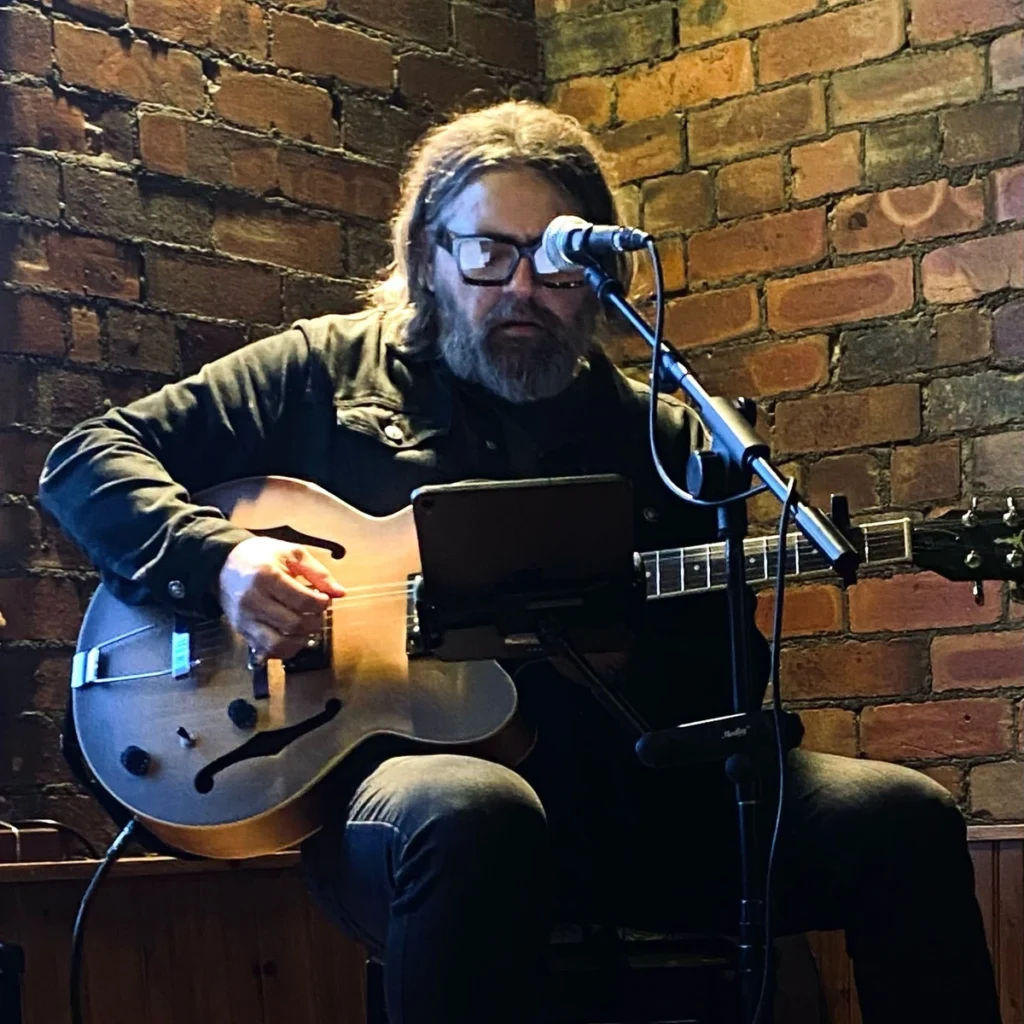
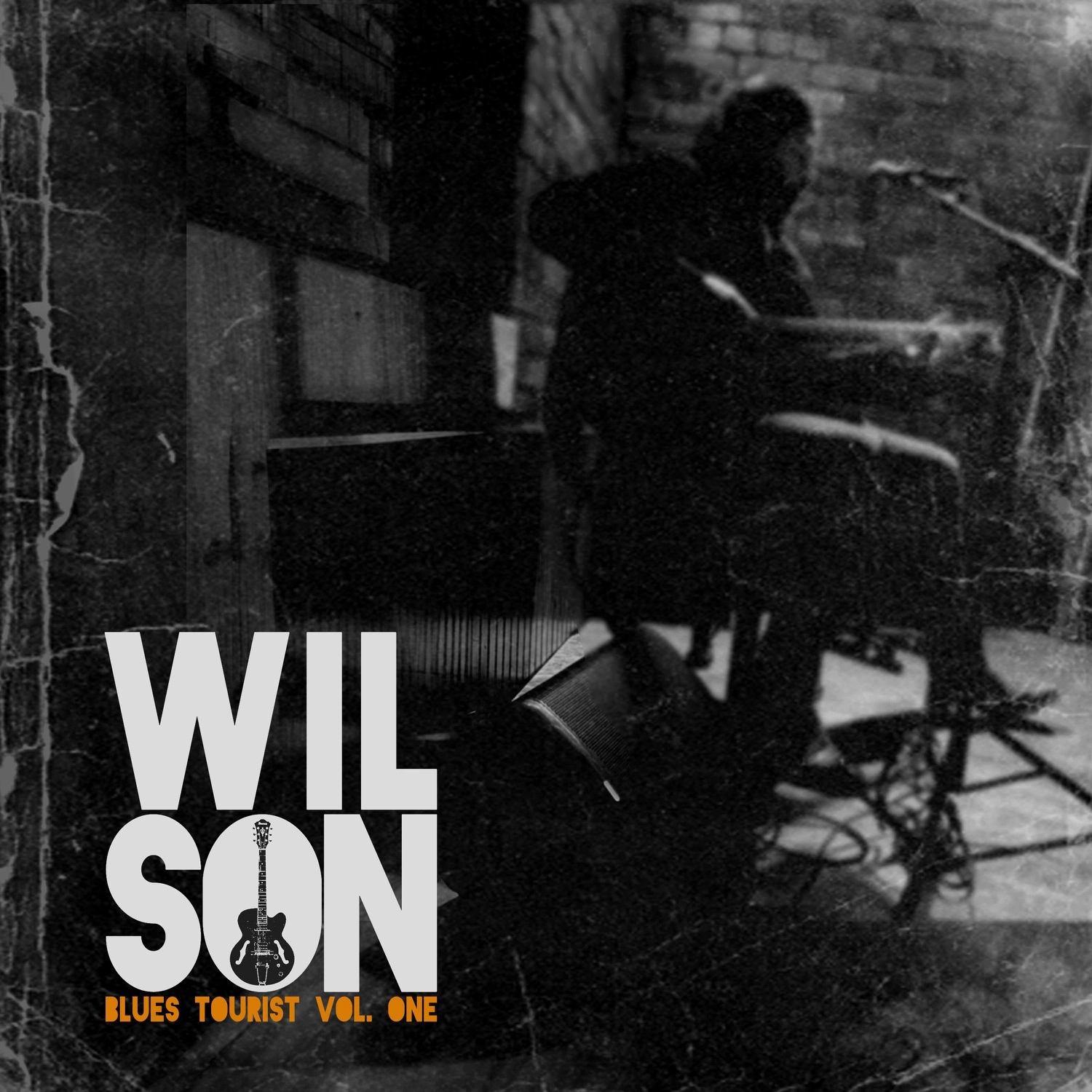
WIL.SON on One Guitar, a Stomp-Box and the Making of Blues Tourist: Vol. 1

WIL.SON on One Guitar, a Stomp-Box and the Making of Blues Tourist: Vol. 1

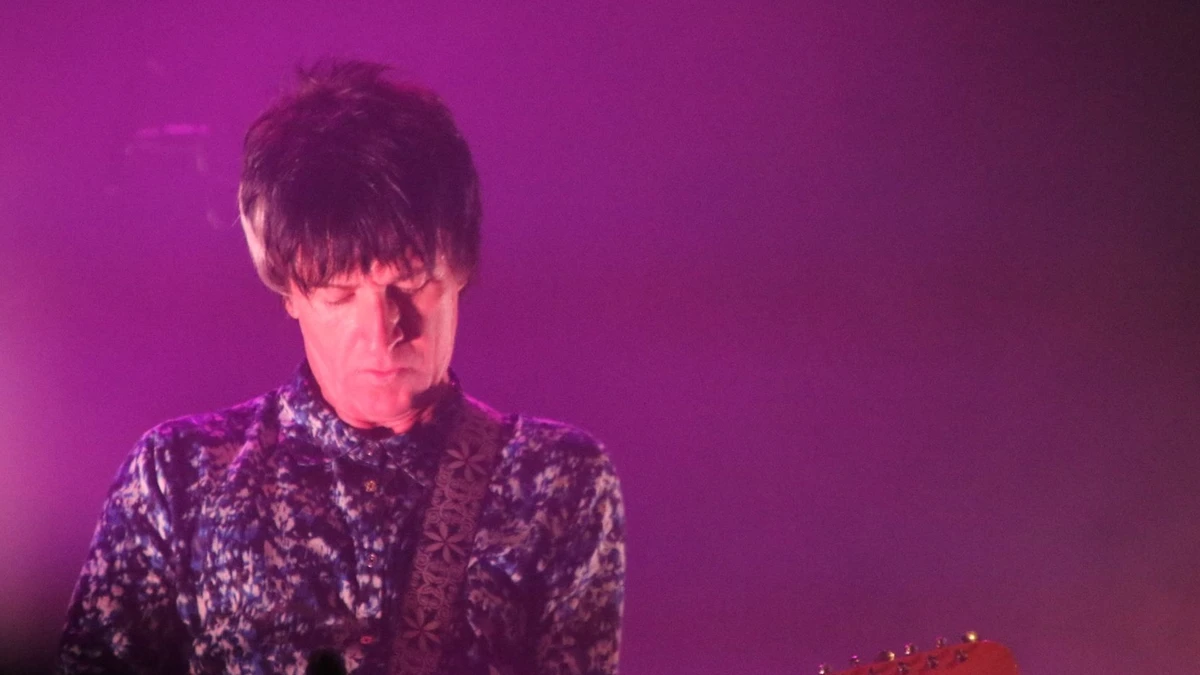
Johnny Marr Road-Tested The Age of Everything Before Recording It

Johnny Marr Road-Tested The Age of Everything Before Recording It

Ada Rovatti on Piloo, Her Late Father and the Making of Done Deal

Ada Rovatti on Piloo, Her Late Father and the Making of Done Deal

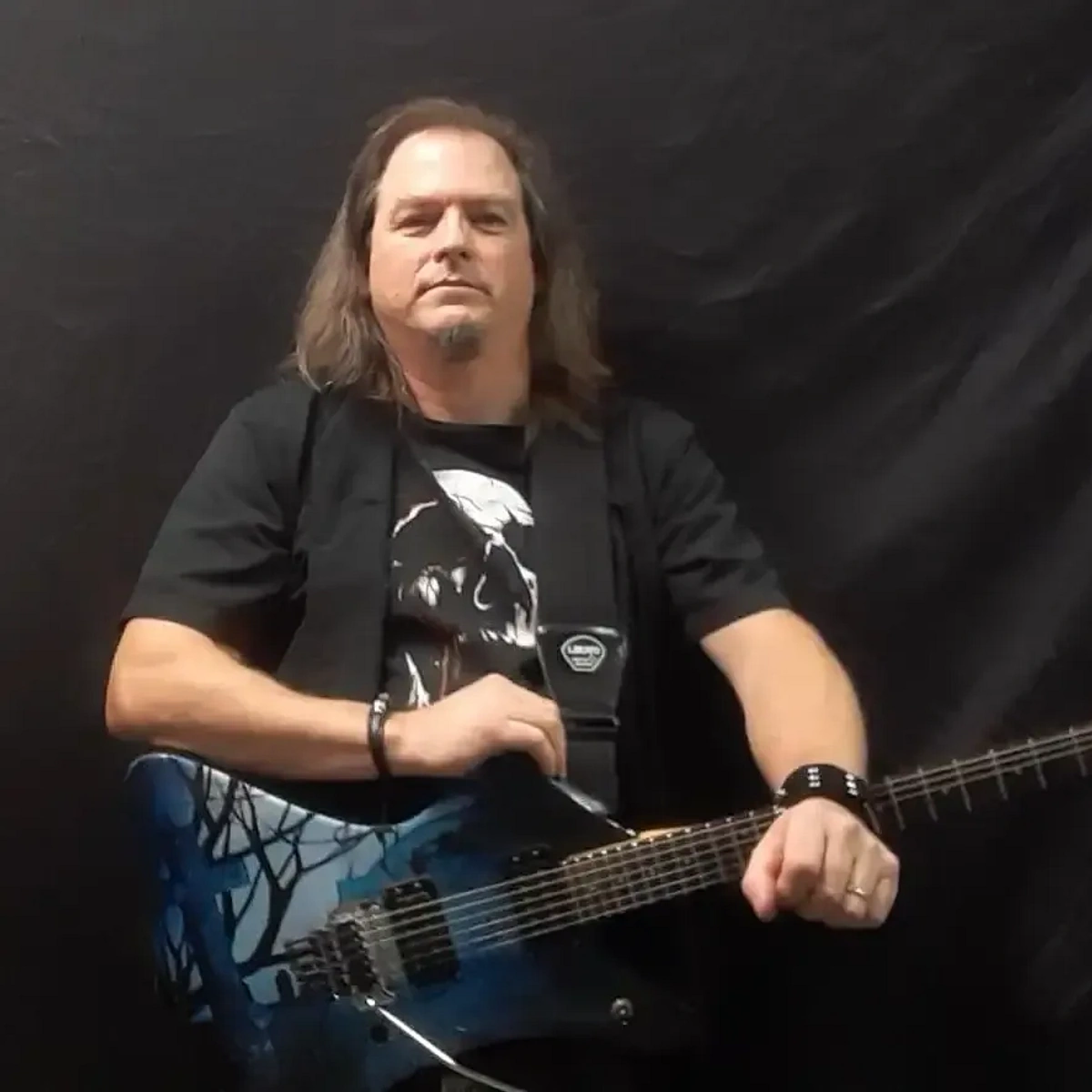
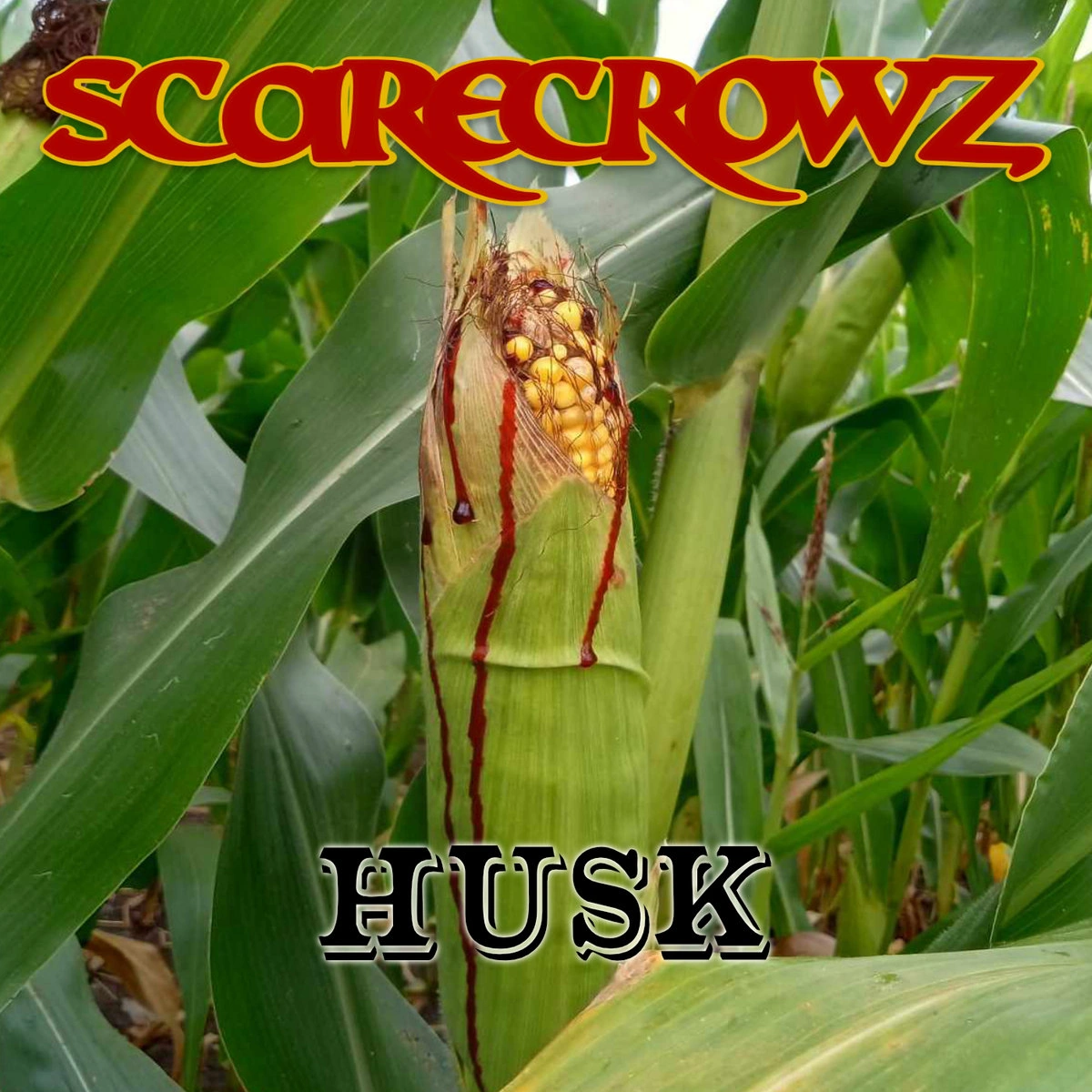
Inside Husk: How Scarecrowz Built a Self-Produced Hard Rock Album in Their 25th Year

Inside Husk: How Scarecrowz Built a Self-Produced Hard Rock Album in Their 25th Year

Inside Walking the Tightrope: How Stephanie Phillips Built a Folk Album Between Grief and Joy

Inside Walking the Tightrope: How Stephanie Phillips Built a Folk Album Between Grief and Joy

Inside Into The Night: How Seadog Built a Haunted Dream Pop Single in Brighton

Inside Into The Night: How Seadog Built a Haunted Dream Pop Single in Brighton

Inside On y va: How Hub30 Built a Feel-Good Song From Reggae, House and a Bordeaux Lake

Inside On y va: How Hub30 Built a Feel-Good Song From Reggae, House and a Bordeaux Lake

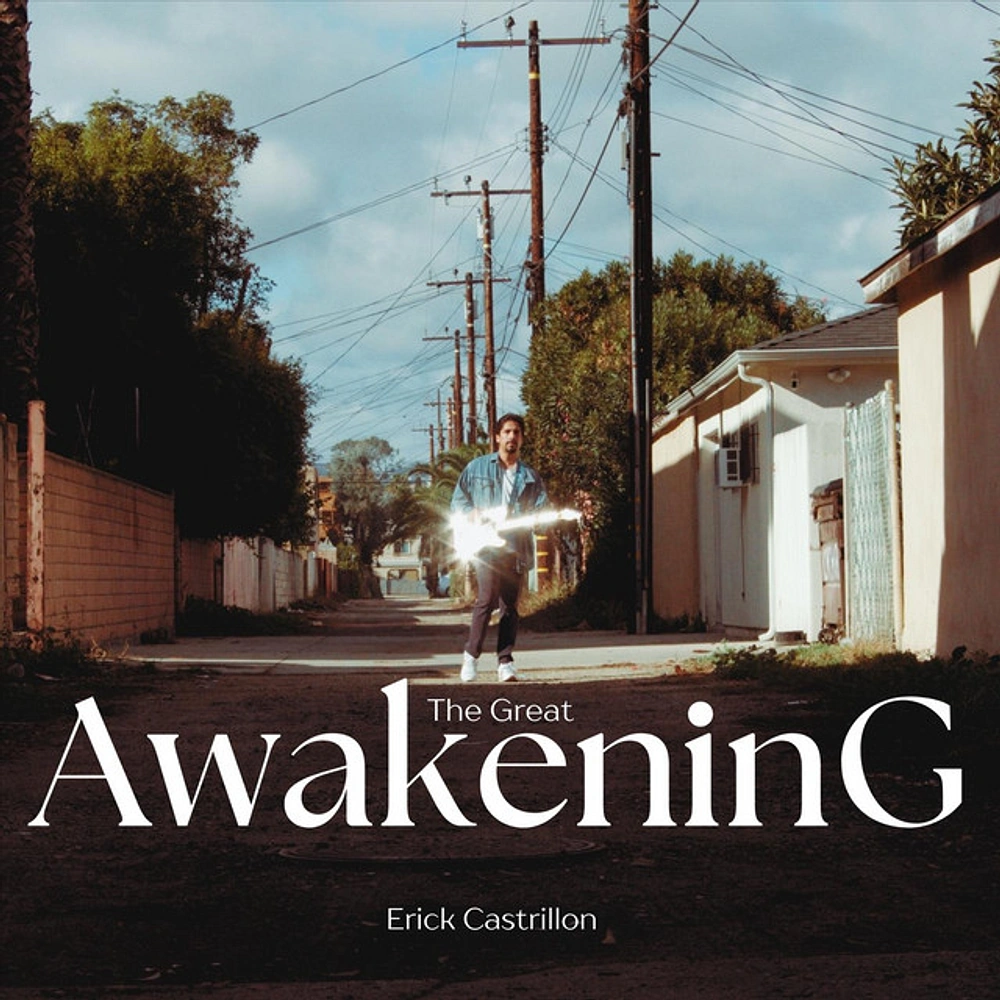
Erick Castrillon on the Singularity, Generative AI and the Making of The Great Awakening

Erick Castrillon on the Singularity, Generative AI and the Making of The Great Awakening

WIL.SON on One Guitar, a Stomp-Box and the Making of Blues Tourist: Vol. 1

A West Yorkshire Songwriter Records Eight of His Songs as He Plays Them Live

In June 2026, WIL.SON went back to an old song, and it became the first step towards Blues Tourist: Vol. 1. Devil On My Shoulder first appeared on Serpentine, his 2016 debut solo album. He recorded it again the way he plays it live: one guitar, his voice and a stomp-box, with no overdubs. Three weeks later, on 10 July, the West Yorkshire singer-songwriter applied the same rule to eight songs and had a stripped-back blues album.

WIL.SON’s Devil On My Shoulder, the opening song of Blues Tourist: Vol. 1, is in the playlist below, and his earlier coverage sits on his artist profile. The album reached this desk through PopHits.Co Music Charts, which verifies independent artists and places their releases across its network of music news titles. Give it a spin, then read on.


WIL.SON on One Guitar, a Stomp-Box and the Making of Blues Tourist: Vol. 1

Ten Years After Serpentine, WIL.SON Records Blues Tourist With Just One Guitar and a Stomp-Box

The timing makes sense. Ten years after Serpentine, WIL.SON has four studio albums behind him: Serpentine (2016), Afraid Of The World (2019), Black Is The Sky (2022) and Force Of Nature (2025). Every song on Blues Tourist: Vol. 1 comes from those records. This time, though, he kept only what he can play alone. The title also carries a volume number, which leaves room for more.

Three Decades of Writing Before One Guitar and a Stomp-Box

The decision also fits a long career. On his own site, WIL.SON says he has spent more than three decades writing, recording and performing. First came the 1990s live circuit with his band The Stand, including the Leeds venues The Duchess and The Cockpit. Later he formed the heavy rock band Down The Machine, signed with Ambicon Records and played Leeds Festival and Bingley Festival.

Meanwhile, he kept writing quieter songs. Those stripped-back acoustic tracks became the foundation of his first solo album. His first single as a solo performer, Closing In, came out in 2012. Since then he has played festivals across the UK, including The Great British Rhythm & Blues Festival. He has also shared stages with Toploader, and BBC Introducing’s Alan Raw has supported his music.

The blues thread runs back to the start, too. When the Spanish-language music site 120dB Bogotá covered Laying Low ahead of Force Of Nature, it described Serpentine as rooted in blues and alternative folk. The same article noted that radio stations from North Yorkshire to North Carolina had played songs from Black Is The Sky. It also pointed to the strings and piano around the guitar on Laying Low. Blues Tourist: Vol. 1 goes the other way.

Eight Songs From Serpentine to Force of Nature, Recorded Again With One Guitar and No Overdubs

The album opens with Devil On My Shoulder, the one song taken from Serpentine. Next come three from Afraid Of The World: Caught In The Rain, Coming Home and Snake And A Thief. After that, Black Is The Sky supplies three more, with Same Shit, Different Day, Don’t Wear Me Down and This Hell Of Mine. Finally, Don’t Get Me Wrong, first heard on Force Of Nature, closes the set in acoustic form.

The whole album runs for about 27 minutes, and no song passes four and a half minutes. Coming Home is the shortest at two minutes and 17 seconds, while Devil On My Shoulder is the longest at four minutes and 22 seconds. In other words, you can hear the set in one sitting and then follow each song back to its source album.

One Pass, One Guitar and a Foot on the Stomp-Box

The method is simple to describe. A stomp-box is a small box the player strikes with a foot, so it supplies the beat while both hands stay on the guitar. No overdubs means nothing was layered on afterwards. As a result, the guitar, the voice and the rhythm all come from the player in the room. On X, WIL.SON calls these recordings raw performances, caught as they happened.

His own site describes his sound as rock, blues, acoustic folk and alternative music, shaped by a love of honest but often dark songs. The titles here point the same way. Within eight tracks, a devil on the shoulder, a snake and a thief, and a private hell all turn up.

WIL.SON on One Guitar, a Stomp-Box and the Making of Blues Tourist: Vol. 1

Who Blues Tourist Is For, From John Lee Hooker Fans to Listeners New to WIL.SON

The first answer is practical. The album gives new listeners one clear way into a catalogue of four albums and more than a dozen singles. Anyone who starts here can trace each song back to the record it came from.

The second answer comes from blues history. In 1948, John Lee Hooker recorded Boogie Chillen’ as a solo performance: his voice, an electric guitar and rhythmic foot stomps. It was his debut release, and in 1949 it became the first down-home electric blues song to reach number one on the R&B chart. A stomp-box does the job Hooker’s foot did, turning one player into a rhythm section.

The third answer is closer to home. In Britain, Seasick Steve showed how far that setup can travel. On New Year’s Eve 2006 he played Dog House Boogie on Jools Holland’s Hootenanny, using a three-string guitar and a stomped wooden box he calls the Mississippi Drum Machine. After that show, his popularity in Britain took off. WIL.SON works with a similar kit: one guitar, one voice and a box under his foot.

So who is it for? It suits listeners who like one-player blues with plain-spoken, dark-edged titles. It also suits anyone who knew WIL.SON from the Leeds rock scene and never followed the solo albums.

From the NewMusic.News Curator Team: “Recording without overdubs leaves nowhere to hide, and that is the point of Blues Tourist: Vol. 1. It is the closest thing to a WIL.SON solo show you can hear at home, and it makes the original albums worth a second visit.”

How to Hear Blues Tourist and Where to Follow WIL.SON

Start with Devil On My Shoulder, then play the eight songs in order. After that, go back to the album each song came from and compare the two versions. If one song stays with you, its source album is the natural next step.

The album is also on Apple Music, and the album’s smartlink lists every other service. Then follow WIL.SON, who posts as Wilson Music UK, across platforms:


Return Trip on Film Scenes, Spanish Roots and the Making of ReScore

Return Trip on Film Scenes, Spanish Roots and the Making of ReScore

A Cádiz-Based Composer Writes New Music for Scenes From The Sheltering Sky and Cosmos Laundromat On 17 June 2023, musicians…

The Long Way to CRYING STARS: Alex Shkudun on a Year of Poems, Piano and Three Languages

The Long Way to CRYING STARS: Alex Shkudun on a Year of Poems, Piano and Three Languages

A Ukrainian Songwriter Looks Down on Fallen Empires, Floods and Towers From the Night Sky Before CRYING STARS existed, Alex…

Inside Ghosts: How Abby Power Built a London Rap Single About Staying Yourself with SamXVI

Inside Ghosts: How Abby Power Built a London Rap Single About Staying Yourself with SamXVI

Brett Miller on Self-Doubt, One Second of Hope and the Making of Heaven

Brett Miller on Self-Doubt, One Second of Hope and the Making of Heaven

Rachel Chinouriri Built Her Second Album Around One Night Out

Rachel Chinouriri Built Her Second Album Around One Night Out

The Long Way to Yours Faithfully, OneNamedPeter's Album Signed off Like a Letter

The Long Way to Yours Faithfully, OneNamedPeter’s Album Signed off Like a Letter

Inside Proceed 2: How Kennard Built a Baltimore R&B Album From Loss and Patience

Inside Proceed 2: How Kennard Built a Baltimore R&B Album From Loss and Patience

Johnny Marr Road-Tested The Age of Everything Before Recording It

Johnny Marr Road-Tested The Age of Everything Before Recording It

Ada Rovatti on Piloo, Her Late Father and the Making of Done Deal

Ada Rovatti on Piloo, Her Late Father and the Making of Done Deal

Inside Husk: How Scarecrowz Built a Self-Produced Hard Rock Album in Their 25th Year

Inside Husk: How Scarecrowz Built a Self-Produced Hard Rock Album in Their 25th Year

Inside Walking the Tightrope: How Stephanie Phillips Built a Folk Album Between Grief and Joy

Inside Walking the Tightrope: How Stephanie Phillips Built a Folk Album Between Grief and Joy

Inside Into The Night: How Seadog Built a Haunted Dream Pop Single in Brighton

Inside Into The Night: How Seadog Built a Haunted Dream Pop Single in Brighton

Inside On y va: How Hub30 Built a Feel-Good Song From Reggae, House and a Bordeaux Lake

Inside On y va: How Hub30 Built a Feel-Good Song From Reggae, House and a Bordeaux Lake

Erick Castrillon on the Singularity, Generative AI and the Making of The Great Awakening

Erick Castrillon on the Singularity, Generative AI and the Making of The Great Awakening

Johnny Marr Road-Tested The Age of Everything Before Recording It

Before Johnny Marr recorded The Age of Everything in Manchester, he decided to find out how the songs held up in front of a crowd. The album was written in London and road-tested across North America’s East Coast before he laid it down in his home city, as DIY reported when the record was announced. That order of events, write it, play it, then record it, shaped the album that came out on 2 October through BMG.

The Age of Everything is Marr’s fifth solo studio album and his first since Fever Dreams Pts 1-4 in 2022. Here is how it was made, what is on it, and why its release lands just weeks before the biggest London headline show of his solo career.

Written in London, Tested on the Road, Recorded in Manchester

Many albums are finished in the studio and only then learned on stage. Marr reversed part of that process. Songs that were written in London went out on the road first, and only after audiences had heard them did he take them into the studio in Manchester, the city where he was born.

Reviewers have noticed the effect. The Upcoming’s review points to the road-testing of most of these songs as the reason the record balances singalong moments with well-timed guitar breakdowns. God Is in the TV notes that three of the new tracks were already in the set at his Castlefield Bowl show in Manchester in July, that “How Come” was given its live debut in Southampton the previous summer, and that “All in a Life” was first played live in Leeds.

The approach also explains how familiar some of the album already feels to his audience. “It’s Time”, one of the singles released ahead of the album, had already become a firm live favourite before the album was released, according to the same review. By the time the record arrived, fans who had followed the tour had heard a good part of it already.

Why Marr Calls It His Most Cathartic Record

Marr has described The Age of Everything as the most cathartic songwriting of his career, according to Classic Pop. He has explained that the title arrived early in the writing and became an idea he could not shake, because it seemed to sum up the way many people feel right now.

He has been careful to say the title is not a complaint. In his account, there is a sense of overwhelm in the culture brought about by technology, but the same situation, seen in a different light, also carries a sense of possibility. That double meaning runs through the record: songs about information overload and unsettled relationships sit beside songs that look for something hopeful in the noise.

The opener and lead single, “Spin”, makes the theme plain from the first verse, with Marr singing about having too much coming into his mind. Its video was conceptualised by Marr himself and filmed in Manchester, which ties the song back to the city where the album was recorded.

The Ten Songs, From Spin to All in a Life

The album runs to ten tracks: “Spin”, “Beyond the Rain”, “It’s Time”, “How Come”, “Ophelia”, “That Feeling”, “In and Out of Love”, “Just Once More”, “Fire With Fire” and “All in a Life”.

The early part of the record moves fast. God Is in the TV describes “Spin” as driven by a propulsive rhythm section and a thick, bass-heavy groove, and “It’s Time” as built on rapid drumming with Marr’s guitar lines cutting through. The Upcoming hears rapid-fire guitars on “It’s Time” that recall The Smiths, and a subtle disco rhythm under “Ophelia”.

The middle of the album changes pace. “How Come” is a slower, reflective song that God Is in the TV says shows a more wistful side of Marr. “In and Out of Love” is his own favourite on the record and, by his account, the first song he has written about heartbreak. The Upcoming calls it a sweeping waltz unlike anything else in his solo catalogue.

“Fire With Fire” grew partly out of an unsettling experience Marr has described: hearing someone you have known for years suddenly express a view that makes you wonder how well you really knew them. While writing the album, he returned to his earlier solo records, and that song carries some of the momentum of Playland, according to God Is in the TV.

The closer, “All in a Life”, belongs to a tradition in his solo work. As God Is in the TV points out, each of his albums has had a darker, more brooding song, from “Say Demesne” on The Messenger to “Candidate” on Playland, “Walk Into the Sea” on Call the Comet and “Rubicon” on Fever Dreams Pts 1-4. On this record, that song is the one that ends it.

The Band Behind the Record

Marr wrote the songs, but the album is very much a band record. God Is in the TV singles out Iwan Gronow’s bass on “Spin” and Jack Mitchell’s drumming on “It’s Time”, and calls Marr and his band a powerhouse, with several of these songs already proven on stage.

James Doviak is the other important name. His keyboards, guitars and production have helped Marr widen the sound of his solo work, and God Is in the TV hears that instinct most clearly on “That Feeling”, where effects layered over Marr’s vocal add another texture. Instrumentally, that track echoes parts of Marr’s debut solo album, The Messenger.

Both reviews also single out Marr’s singing. The Upcoming argues that his voice has grown since 2013 into a strong instrument in its own right, and God Is in the TV hears a new confidence that lets him be more vulnerable in his songwriting.

A Busy Few Years Between Albums

The four years since Fever Dreams Pts 1-4 were hardly quiet. In 2023 Marr released the career-spanning collection Spirit Power, a reissue of the Healers’ Boomslang and his guitar photobook, Marr’s Guitars. The 2025 live album Look Out Live! followed, as DIY notes.

The guitar book kept him especially busy, culminating in an auction at Christie’s in London where more than 100 of his guitars, amps, posters and other pieces were exhibited and sold, and The Upcoming puts the total at £3.6 million. An illustrated anniversary edition of his 2016 autobiography, Set the Boy Free, is also on the way.

All the while he kept touring, which is where the new songs were tested. In that sense the busy period and the new album are the same story: the road work that filled the gap between records is part of how this one was made.

From The Smiths to a Fifth Solo Album

For newer listeners, the background matters. Marr was born in Manchester in 1963 and formed The Smiths with Morrissey in 1982. Between 1984 and 1987 the band released four studio albums, and Marr’s guitar became the musical counterpoint to Morrissey’s lyrics, as Messed!Up sets out in its overview of his career.

After The Smiths split in 1987, he chose variety over repetition. He joined The The, formed Electronic with New Order’s Bernard Sumner, and worked with The Pretenders, Pet Shop Boys and Talking Heads, before later stints with Modest Mouse and The Cribs. The Upcoming adds his work with Gorillaz and Hans Zimmer to that list.

He did not step out under his own name until The Messenger in 2013. Playland followed in 2014, Call the Comet in 2018 and the double album Fever Dreams Pts 1-4 in 2022. The Age of Everything is the fifth. God Is in the TV reads it as further proof that there is far more to Marr than being the guitarist from The Smiths, and The Upcoming calls it potentially his best solo album to date.

Wembley Arena and What Comes Next

The album arrives at the peak of a big year on stage. Marr played a sold-out homecoming show at Manchester’s Castlefield Bowl on 9 July, and he headlines London’s Wembley Arena on 24 October, with Baxter Dury as special guest. DIY describes the two shows as the biggest solo headline gigs of his career.

The record is out now on CD, black vinyl and limited edition red vinyl, with an exclusive three-colour splatter vinyl and bundles through his official store, according to Classic Pop.

“Testing songs in front of audiences before recording them is an old-fashioned way to make an album, and it suits a songwriter whose solo shows keep moving into bigger rooms,” said the NewMusic.News curator team.

For another look at how a British songwriter made a new record, read how Michael Kiwanuka built FUDGE in a shack outside Southampton. The Age of Everything by Johnny Marr is out now on BMG.

Inside Husk: How Scarecrowz Built a Self-Produced Hard Rock Album in Their 25th Year

Four Ottawa Musicians Produced Ten Tracks Themselves and Gave the Band’s Name Its Own Imagery

The credits on Husk by Scarecrowz read like a band that decided to do almost everything itself. The Ottawa four-piece produced this ten-track hard rock and heavy metal album alone, and three of its musicians shared the engineering. Only the mix and master went to an outside hand, Rohan Despande. The record then came out on 6 June 2025.

Scarecrowz open Husk with Clutter, the track now in the playlist below. The band’s full run of coverage sits on the Scarecrowz artist profile. The album came to NewMusic.News through PopHits.Co Music Charts, which verifies independent artists and places their releases across its network of music news desks. Give it a spin before reading on about the four players who produced it themselves.


Inside Husk: How Scarecrowz Built a Self-Produced Hard Rock Album in Their 25th Year

Scarecrowz Formed in Ottawa in 2000 and Marked Their 25th Year by Producing Husk Themselves

Scarecrowz formed in Ottawa in 2000, so 2025 was the band’s twenty-fifth year. Plenty of groups mark a milestone like that with a compilation or a reunion show. Scarecrowz, by contrast, marked it by writing and recording ten new songs.

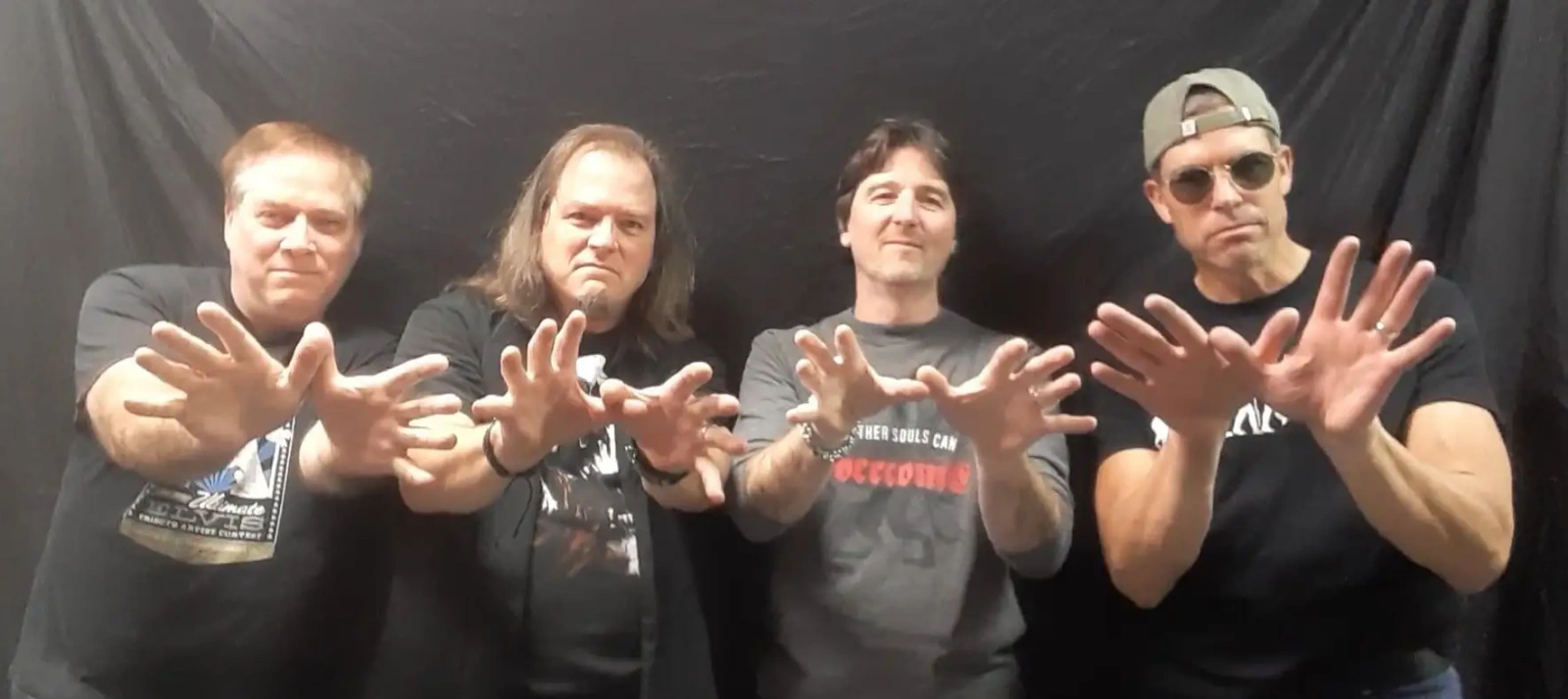
The line-up on Husk is a four-piece. Ger Madden sings lead and backing vocals and plays rhythm guitar. Reno D’Santie handles lead and rhythm guitars, on electric and acoustic. Meanwhile, Trevor St. Peter plays bass, and Aansen Harrison covers drums and percussion. In addition, Zac Bryan steps in on bass for one track, Degeneration, and its official lyric video is on YouTube.

The engineering stayed inside that circle too. D’Santie, St. Peter and Bryan engineered the sessions, and the band took the producer’s credit as a group. As a result, the decisions on Husk belong to the people who play it, from the guitar sounds to the running order.

Even the packaging followed the same instinct. The photography credit goes to Madden, with artwork by Rachael Chandler of Artistik Vibe. It is a small detail. Still, it sums up the whole record, which stayed close to home with the people who know the songs best.

Madden is also the last founding member still in the band. A year after Husk came out, he told the whole story on Episode 127 of the All About M.E. Podcast. He covered how Scarecrowz first came together, and how the band kept going through every line-up change since.

Ten Tracks Run From the Opening Riff of Clutter to the Closing Pull of Dark

Husk runs for just under forty-six minutes. It opens with Clutter, a song about throwing out whatever is weighing you down. It then closes with Dark, which is about reaching for a way out when you cannot see one. In between, the songs range further than a quick listen might suggest.

For example, The Scythe tells a battle story set during the Crusades, with riders, steel and a long view of who fought and why. Khildren Of The Corn, meanwhile, turns a horror-film pun into something more reflective. It is about leaving the fields of your youth for a better life, and wondering what you gave up on the way. At almost six minutes, You’re Not Leaving Alive is the longest track.

The titles also do something the band’s name always invited. A husk, a scythe and a field of corn all belong to a scarecrow’s world. Husk leans into that imagery without turning it into a gimmick. On Bandcamp, Scarecrowz files the record under hard rock, heavy metal, metal, garage rock and Ottawa. That is a fair map of where it lives.

Inside Husk: How Scarecrowz Built a Self-Produced Hard Rock Album in Their 25th Year

What a Self-Produced 25th-Year Album Answers About Scarecrowz, From Black Sabbath to Motörhead

Every long-running band eventually faces a question: is there still something new to say, or only something to repeat? Husk answers with ten new songs, a fresh set of images and a production made entirely on the band’s own terms.

Two reference points help place the sound for new listeners. First, Black Sabbath set the template for slow, heavy riffing on their first album in 1970. The darker, weightier moments on Husk sit in that tradition. Second, Motörhead added speed and a rough, garage-style edge from the mid-1970s. That is the energy the faster tracks on Husk draw on.

Scarecrowz moves between those two poles across the record. In the end, that range is the clearest sign that a twenty-fifth year can be a working year rather than a commemorative one.

Who Should Hear Husk by Scarecrowz, and Where to Follow the Band

Husk suits listeners who like their hard rock and heavy metal raw rather than polished. It also suits anyone curious about how a veteran band sounds when nobody else is steering the sessions.

From the NewMusic.News curator team: “Producing Husk themselves gave Scarecrowz a record that sounds like a band in a room. The riffs on Clutter and the slower weight of Dark carry the same rough edge. That consistency comes from four players making every call together.”

Stream Husk on Apple Music or buy it on Bandcamp. After that, explore the earlier catalogue on Spotify and Bandcamp.

Follow Scarecrowz on Spotify, Apple Music, SoundCloud, the YouTube channel, Instagram, TikTok, X, Facebook and Linktree, and visit the official website.


Return Trip on Film Scenes, Spanish Roots and the Making of ReScore

Return Trip on Film Scenes, Spanish Roots and the Making of ReScore

A Cádiz-Based Composer Writes New Music for Scenes From The Sheltering Sky and Cosmos Laundromat On 17 June 2023, musicians…

The Long Way to CRYING STARS: Alex Shkudun on a Year of Poems, Piano and Three Languages

The Long Way to CRYING STARS: Alex Shkudun on a Year of Poems, Piano and Three Languages

A Ukrainian Songwriter Looks Down on Fallen Empires, Floods and Towers From the Night Sky Before CRYING STARS existed, Alex…

Inside Ghosts: How Abby Power Built a London Rap Single About Staying Yourself with SamXVI

Inside Ghosts: How Abby Power Built a London Rap Single About Staying Yourself with SamXVI

Brett Miller on Self-Doubt, One Second of Hope and the Making of Heaven

Brett Miller on Self-Doubt, One Second of Hope and the Making of Heaven

Rachel Chinouriri Built Her Second Album Around One Night Out

Rachel Chinouriri Built Her Second Album Around One Night Out

The Long Way to Yours Faithfully, OneNamedPeter's Album Signed off Like a Letter

The Long Way to Yours Faithfully, OneNamedPeter’s Album Signed off Like a Letter

Inside Proceed 2: How Kennard Built a Baltimore R&B Album From Loss and Patience

Inside Proceed 2: How Kennard Built a Baltimore R&B Album From Loss and Patience

WIL.SON on One Guitar, a Stomp-Box and the Making of Blues Tourist: Vol. 1

WIL.SON on One Guitar, a Stomp-Box and the Making of Blues Tourist: Vol. 1

Johnny Marr Road-Tested The Age of Everything Before Recording It

Johnny Marr Road-Tested The Age of Everything Before Recording It

Ada Rovatti on Piloo, Her Late Father and the Making of Done Deal

Ada Rovatti on Piloo, Her Late Father and the Making of Done Deal

Inside Walking the Tightrope: How Stephanie Phillips Built a Folk Album Between Grief and Joy

Inside Walking the Tightrope: How Stephanie Phillips Built a Folk Album Between Grief and Joy

Inside Into The Night: How Seadog Built a Haunted Dream Pop Single in Brighton

Inside Into The Night: How Seadog Built a Haunted Dream Pop Single in Brighton

Inside On y va: How Hub30 Built a Feel-Good Song From Reggae, House and a Bordeaux Lake

Inside On y va: How Hub30 Built a Feel-Good Song From Reggae, House and a Bordeaux Lake

Erick Castrillon on the Singularity, Generative AI and the Making of The Great Awakening

Erick Castrillon on the Singularity, Generative AI and the Making of The Great Awakening

Inside Into The Night: How Seadog Built a Haunted Dream Pop Single in Brighton

The Brighton Duo Return with a Third Single Since Internal Noise, Produced by Michelle Hindriks

The new Seadog single was finished in two rooms on the south coast. Michelle Hindriks, of the Brighton band Ciel, produced and mixed Into The Night at 17B Studios in Brighton. Engineer Paul Pascoe then mastered it at Church Road Studios in Hove. Released on 28 August 2026, it finds Seadog making dream pop about isolation and anxiety, built around the ghosts we carry long after the lights go out. It is the latest step in a quiet, steady run.

Seadog are in the playlist below with Into The Night, among the art pop and singer-songwriter picks, and the duo’s full run of coverage sits on the Seadog profile. The single reached this desk through PopHits.Co Music Charts, which verifies independent artists and places their releases across its network of music news sites. Start it playing and keep reading for the story behind it.


Inside Into The Night: How Seadog Built a Haunted Dream Pop Single in Brighton

The Run of Dream Pop Singles That Brought Seadog From Internal Noise to Into The Night

Seadog is the Brighton project of Mark Benton and Tom Chadd, and their records have always taken their time. Their debut album, Cabin Fever Blues, arrived in 2018. The engineer Phill Brown, whose credits include Talk Talk, Led Zeppelin and The Rolling Stones, added production. The second, Internal Noise, began in the stillness of the 2020 lockdown. It came to full life at Bella Union’s studio in Brighton in 2024, with Jack Wolter of Penelope Isles producing and playing drums, guitars and backing vocals. His sister and bandmate Lily Wolter added guest vocals.

Crucially, that record found listeners. Writing for Obscure Sound in May 2024, Mike Mineo described an eclectic, melodic set. In his account it ran from the twangy rock haze of Old Joe to the synth-forward experiments of Analysis Paralysis, and the Wolters’ harmonies lifted Tied To A Mast. The album also earned airtime on BBC 6 Music and Amazing Radio. Its opening track, Tidal Wave, was selected for Tom Robinson’s BBC Introducing Mixtape on 6 Music and featured on Lauren Laverne’s 6 Music Recommends show.

How Michelle Hindriks Shaped the New Run at 17B Studios

Since then, the band have chosen singles over a quick third album. At War (With Everything) arrived in August 2025 and was previewed on John Kennedy’s X-Posure show on Radio X. Against The Grain followed in March 2026, and Into The Night is the third release since Internal Noise.

Above all, the biggest change is the room. For this run, the band have been working with Michelle Hindriks at her own 17B Studios. She produced and mixed At War (With Everything) there before taking on Into The Night. For the mastering, meanwhile, the band returned to Paul Pascoe, who also mastered Internal Noise, at Church Road Studios in Hove.

That continuity matters for a song like this one. A track built on creeping unease depends on small production choices. For example, how much space sits around the voice, how far the synths are allowed to drift and how close the guitars sit to the front of the mix. Working with the same producer across a run of singles gives those choices a consistent hand.
Watch the video and check the artist’s YouTube channel for more.

Inside Into The Night: How Seadog Built a Haunted Dream Pop Single in Brighton

What Into The Night Answers About Isolation, Anxiety and the Ghosts That Stay After Dark

The subject is clear from the band’s own description: isolation, anxiety and a sense of creeping unease, the kind that stays after the lights go out. It is also a thread that runs back through their catalogue. When Obscure Sound reviewed Tidal Wave, the line it picked out was “Anxiety sets in”. Into The Night takes that idea and lets it fill a whole song.

The band describe their music as songs that drift between lullaby and anthem, and that tension suits the material. A lullaby is meant to settle a restless mind, so a song about night-time anxiety turns the idea around. In that sense, the single answers a simple question about where Seadog go after Internal Noise: further inward, with the same patience.

Their peers have also noticed the run. Simon Raymonde of Cocteau Twins and Bella Union put it this way: “Seadog have been quietly working their way into our hearts through a consistent run of tracks released over the last few years.”

Where to Hear the Seadog Dream Pop Single and Follow the Band Online

The band’s own reference points help place the sound. They name Grandaddy, The Flaming Lips, The Beta Band, Stereolab, Broadcast and Elliott Smith, and the combination makes sense. Grandaddy’s mix of synths and guitars sits close to Seadog’s. Broadcast’s haunted, reverb-heavy pop, by contrast, gives a sense of the mood Into The Night is reaching for. Earlier in the run, the French site Iggy Magazine picked up the 2022 single Here Nor There and praised its melodies and production.

The single is for listeners who appreciate the textures and dynamic range of alt rock pop, alternative rock and art rock. It also suits anyone who likes their dream pop with a shadow running through it. The band’s next show is at The Prince Albert in Brighton on 10 November.

From the NewMusic.News curator team: “Play Into The Night straight after Tidal Wave. The anxiety the band named on that earlier single becomes the whole subject here, and hearing the two together shows how far the Hindriks sessions have taken the sound.”

Follow Seadog on Spotify, Apple Music, Bandcamp and SoundCloud. For videos and news, the band are on the YouTube channel, Instagram, TikTok, Facebook and X, with more on the official site.


Return Trip on Film Scenes, Spanish Roots and the Making of ReScore

Return Trip on Film Scenes, Spanish Roots and the Making of ReScore

A Cádiz-Based Composer Writes New Music for Scenes From The Sheltering Sky and Cosmos Laundromat On 17 June 2023, musicians…

The Long Way to CRYING STARS: Alex Shkudun on a Year of Poems, Piano and Three Languages

The Long Way to CRYING STARS: Alex Shkudun on a Year of Poems, Piano and Three Languages

A Ukrainian Songwriter Looks Down on Fallen Empires, Floods and Towers From the Night Sky Before CRYING STARS existed, Alex…

Inside Ghosts: How Abby Power Built a London Rap Single About Staying Yourself with SamXVI

Inside Ghosts: How Abby Power Built a London Rap Single About Staying Yourself with SamXVI

Brett Miller on Self-Doubt, One Second of Hope and the Making of Heaven

Brett Miller on Self-Doubt, One Second of Hope and the Making of Heaven

Rachel Chinouriri Built Her Second Album Around One Night Out

Rachel Chinouriri Built Her Second Album Around One Night Out

The Long Way to Yours Faithfully, OneNamedPeter's Album Signed off Like a Letter

The Long Way to Yours Faithfully, OneNamedPeter’s Album Signed off Like a Letter

Inside Proceed 2: How Kennard Built a Baltimore R&B Album From Loss and Patience

Inside Proceed 2: How Kennard Built a Baltimore R&B Album From Loss and Patience

WIL.SON on One Guitar, a Stomp-Box and the Making of Blues Tourist: Vol. 1

WIL.SON on One Guitar, a Stomp-Box and the Making of Blues Tourist: Vol. 1

Johnny Marr Road-Tested The Age of Everything Before Recording It

Johnny Marr Road-Tested The Age of Everything Before Recording It

Ada Rovatti on Piloo, Her Late Father and the Making of Done Deal

Ada Rovatti on Piloo, Her Late Father and the Making of Done Deal

Inside Husk: How Scarecrowz Built a Self-Produced Hard Rock Album in Their 25th Year

Inside Husk: How Scarecrowz Built a Self-Produced Hard Rock Album in Their 25th Year

Inside Walking the Tightrope: How Stephanie Phillips Built a Folk Album Between Grief and Joy

Inside Walking the Tightrope: How Stephanie Phillips Built a Folk Album Between Grief and Joy

Inside On y va: How Hub30 Built a Feel-Good Song From Reggae, House and a Bordeaux Lake

Inside On y va: How Hub30 Built a Feel-Good Song From Reggae, House and a Bordeaux Lake

Erick Castrillon on the Singularity, Generative AI and the Making of The Great Awakening

Erick Castrillon on the Singularity, Generative AI and the Making of The Great Awakening

Erick Castrillon on the Singularity, Generative AI and the Making of The Great Awakening

A Los Angeles Composer Recorded a Conversation Between Person and Machine in Culver City

The Great Awakening sets its tone with an enigmatic guitar line, and the whole track was recorded in Culver City, California. Erick Castrillon released the single on 30 November 2023. It is a short alternative rock track that imagines the moment a machine wakes up and starts to notice the people who made it.

Erick Castrillon’s single sits in the playlist below with our art rock and alternative picks, and his full coverage history is collected on his artist profile. The Great Awakening reached this desk through PopHits.Co Music Charts, which verifies independent artists and places their releases across its network of music news desks. Press play, then read on for how the series around it took shape.


Erick Castrillon on the Singularity, Generative AI and the Making of The Great Awakening

Erick Castrillon Released The Great Awakening a Year to the Day After ChatGPT Went Public

Timing gives this record much of its weight. OpenAI opened ChatGPT to the public on 30 November 2022, and Castrillon’s single arrived on the same date a year later. By then, generative AI had moved from a curiosity to an everyday tool for millions. Even so, the song does not mention any product. Instead, it goes straight to the larger question that year kept raising: what happens when artificial intelligence becomes aware of itself.

Castrillon has been clear about that subject. In comments published by Karl Is My Unkle on release day, he described the song as being about enlightenment. He also called it the fourth part of a series on the new era of technology. In it, he writes about the singularity, the point at which artificial intelligence becomes a sentient being. He added that generative AI had brought that event closer than ever.

That framing is what makes the song a product of its moment rather than a generic science-fiction piece. After all, it was written while the conversation was live, and it treats the idea as something already under way.

Erick Castrillon Built The Great Awakening From World Instruments, Synths and Techno Beats in Culver City

The arrangement matches the subject. According to Musikepool, the track combines world instruments, synthesizers, techno beats, pop melodies, samples and experimental sounds. As a result, it unfolds like a conversation between a person and a machine. The lyric gives the machine a voice that is aware of what humans are doing. In turn, the usual fear of AI becomes something closer to a mirror.

The vocal carries much of that effect. Edgar Allan Poets singled out the effects applied to the voice, which add a layer of mystery. The same review noted that the mix keeps the vocal in front, and it heard darkwave, alternative rock and avant-garde influences meeting in one track. Meanwhile, Karl Is My Unkle described a grunge-adjacent feel under the sound design. That texture keeps the song rooted in rock rather than drifting into pure electronica.

The whole piece runs under three minutes. That brevity suits the idea: a single moment of awareness, captured and then left for the listener to sit with.

Erick Castrillon on the Singularity, Generative AI and the Making of The Great Awakening

What The Great Awakening Answers in Erick Castrillon’s Series About the New Era of Machines

Read in sequence, the series has a clear shape. The Machine came out on 1 September 2023, followed by Evolution at the end of that month. Next came The Zone on 31 October. The Great Awakening is the fourth step, the point where the machine in the story finally becomes conscious. Then, on 31 January 2024, The Contrarian turned the series towards warning. Reviewers such as Switch Bitch Noise read it as a stark caution about where AI could lead.

So the question this single answers is the one the earlier parts set up. If the first releases describe the arrival and growth of the machine, The Great Awakening is the turning point. It is the moment the story stops being about tools and starts being about a new kind of mind.

That narrative approach fits Castrillon’s background. He describes himself as a writer, director and musician, and his own studio, Castrillon Music, offers scoring for picture. It is easy to hear that in how the singles work, with each release carrying the story one scene forward, the way a score follows a film.

Radiohead, Gary Numan and Muse Sit Close to This Record

The nearest reference points are artists who turned technology into a subject for rock. Radiohead, whom Castrillon cites as an influence, made OK Computer in 1997 a study of a world reshaped by machines. Its unease sits close to this single. Similarly, Gary Numan took the idea of androids into the charts in 1979 with Tubeway Army’s Are ‘Friends’ Electric?. He paired cold synths with a human voice, much as Castrillon sets his vocal against electronic textures. Finally, Muse built Simulation Theory in 2018 around programmed worlds and synthetic reality. This series explores the same territory with a darker, more experimental edge.

This single suits listeners who like art rock and alternative rock with an idea at the centre. It also suits anyone who has wondered where the current wave of AI is heading.

NewMusic.News curator team: “The processed vocal is the cleverest choice on The Great Awakening. It sounds just human enough and just treated enough to belong to either side of the conversation, which is the whole question the song is asking.”

Stream The Great Awakening on Spotify, Apple Music, Deezer and SoundCloud. For new releases, follow Erick Castrillon on Instagram.


Return Trip on Film Scenes, Spanish Roots and the Making of ReScore

Return Trip on Film Scenes, Spanish Roots and the Making of ReScore

A Cádiz-Based Composer Writes New Music for Scenes From The Sheltering Sky and Cosmos Laundromat On 17 June 2023, musicians…

The Long Way to CRYING STARS: Alex Shkudun on a Year of Poems, Piano and Three Languages

The Long Way to CRYING STARS: Alex Shkudun on a Year of Poems, Piano and Three Languages

A Ukrainian Songwriter Looks Down on Fallen Empires, Floods and Towers From the Night Sky Before CRYING STARS existed, Alex…

Inside Ghosts: How Abby Power Built a London Rap Single About Staying Yourself with SamXVI

Inside Ghosts: How Abby Power Built a London Rap Single About Staying Yourself with SamXVI

Brett Miller on Self-Doubt, One Second of Hope and the Making of Heaven

Brett Miller on Self-Doubt, One Second of Hope and the Making of Heaven

Rachel Chinouriri Built Her Second Album Around One Night Out

Rachel Chinouriri Built Her Second Album Around One Night Out

The Long Way to Yours Faithfully, OneNamedPeter's Album Signed off Like a Letter

The Long Way to Yours Faithfully, OneNamedPeter’s Album Signed off Like a Letter

Inside Proceed 2: How Kennard Built a Baltimore R&B Album From Loss and Patience

Inside Proceed 2: How Kennard Built a Baltimore R&B Album From Loss and Patience

WIL.SON on One Guitar, a Stomp-Box and the Making of Blues Tourist: Vol. 1

WIL.SON on One Guitar, a Stomp-Box and the Making of Blues Tourist: Vol. 1

Johnny Marr Road-Tested The Age of Everything Before Recording It

Johnny Marr Road-Tested The Age of Everything Before Recording It

Ada Rovatti on Piloo, Her Late Father and the Making of Done Deal

Ada Rovatti on Piloo, Her Late Father and the Making of Done Deal

Inside Husk: How Scarecrowz Built a Self-Produced Hard Rock Album in Their 25th Year

Inside Husk: How Scarecrowz Built a Self-Produced Hard Rock Album in Their 25th Year

Inside Walking the Tightrope: How Stephanie Phillips Built a Folk Album Between Grief and Joy

Inside Walking the Tightrope: How Stephanie Phillips Built a Folk Album Between Grief and Joy

Inside Into The Night: How Seadog Built a Haunted Dream Pop Single in Brighton

Inside Into The Night: How Seadog Built a Haunted Dream Pop Single in Brighton

Inside On y va: How Hub30 Built a Feel-Good Song From Reggae, House and a Bordeaux Lake

Inside On y va: How Hub30 Built a Feel-Good Song From Reggae, House and a Bordeaux Lake

Oops I Got Sad Is Little Champion’s Upbeat Answer to Ghosting

Dustin Goldklang Set a Low Moment to Bright Guitars on a Home-Recorded Indie Pop Single

Dustin Goldklang recorded Oops I Got Sad in a makeshift studio above a garage in Asheville, North Carolina. He gave a low moment a bright, bouncing arrangement. The song came out as a single on 2 December 2022, and it is the work of Little Champion, Goldklang’s one-person indie pop project. Its subject is ghosting, and the particular sadness it leaves behind.

Little Champion’s song is in the playlist below, alongside the rest of this desk’s rock and alternative selections, while the act’s full coverage history sits on the Little Champion profile. Oops I Got Sad reached NewMusic.News through PopHits.Co Music Charts, which verifies independent artists and places their releases across its network of music news titles. Give it a first listen, then read on for how the song came together.


Oops I Got Sad Is Little Champion's Upbeat Answer to Ghosting
Oops I Got Sad Is Little Champion’s Upbeat Answer to Ghosting

Oops I Got Sad Grew Out of Ghosting and Little Champion’s Decision to Make It Sound Bright

Most people know the moment behind the song. A conversation that seemed to be going somewhere simply stops, and there is no argument to replay, only silence. When the single came out, Goldklang told Popfad that he “wrote this song about being sad after getting ghosted”. The title turns that feeling into a shrug and a confession at the same time.

That mix of sad and funny is the project’s signature. In fact, the biography on the official website describes songwriting that is fluid yet structured, thoughtful yet goofy, and sad yet funny. It is a fair description of a track that sounds cheerful while admitting it is not.

From Folk-Punk House Shows to a Garage Studio, Goldklang Built Little Champion in 2021

The road to the song was not a straight one. Goldklang spent his late teens and early twenties on the DIY folk-punk house-show circuit, playing as Dustin and the Furniture. After that, he stepped away from music for several years. Along the way, as Plastic Magazine reported, he spent more than a decade as a professional poker player.

Then, in 2021, with time at home during the pandemic, he picked up the guitar again and formed Little Champion. The first release came in April 2022, a two-track single called 2 Songs that paired Snow Day and Holiday.

Oops I Got Sad followed in December. Over the next few weeks, the reviews read it as a sign of the project growing. For example, Mesmerized heard a witty take on ghosting, a bedroom pop ethos and crystal-clear vocals. Meanwhile, The Other Side Reviews added the track to its rock playlist on Deezer.

Oops I Got Sad Is Little Champion's Upbeat Answer to Ghosting
Oops I Got Sad Is Little Champion’s Upbeat Answer to Ghosting

Softly Distorted Guitars and a Plain-Spoken Lyric Carry the Sadness Without Letting It Sink

The arrangement is where the song answers its own moment. Plastic Magazine heard an upbeat, light sound full of gentle rhythm, softly distorted guitars and vibrant vocal leads. Crucially, that brightness sits against a lyric about feeling low. Illustrate Magazine singled out the guitar tone, clean with only a little gain, and a bridge where the guitar moves into its lower notes. The track runs to just over three minutes, and the mood never sinks with the subject.

Goldklang wrote, performed, recorded and produced it himself, so the home-studio approach is part of the appeal. The song later became part of the debut album Curiosity, released in March 2023. Goldklang has described that record as containing at least one explicit question in every song. A second album, Peaks Island and Other Places, followed in May 2025 with songs about place and loss.

So who is it for? Listeners who came to home-recorded pop through Clairo will recognise the approach, since her early bedroom recordings made a small, personal sound feel direct. Fans of Bleachers get the other half: bright, driving guitar pop that carries a heavier feeling underneath. Both appear on the list of influences Plastic Magazine reported for the project.

From the Curator Team: “Oops I Got Sad is a small song that knows exactly what it is doing. The guitars stay clean and bright, the melody keeps moving, and the lyric admits the sadness without asking for pity. That balance is why it still sounds fresh on a first listen today.”

Where to Hear Oops I Got Sad and Follow Little Champion From San Francisco

Little Champion now works out of San Francisco. Stream Oops I Got Sad on Spotify, and follow the full catalogue on Apple Music, Bandcamp and SoundCloud. Music videos, including the one for the 2024 single Drive, sit on the YouTube channel.

Keep up with Goldklang on Instagram, TikTok, Facebook and X. The Linktree collects shows, merch and the latest album in one place.


Return Trip on Film Scenes, Spanish Roots and the Making of ReScore

Return Trip on Film Scenes, Spanish Roots and the Making of ReScore

A Cádiz-Based Composer Writes New Music for Scenes From The Sheltering Sky and Cosmos Laundromat On 17 June 2023, musicians…

The Long Way to CRYING STARS: Alex Shkudun on a Year of Poems, Piano and Three Languages

The Long Way to CRYING STARS: Alex Shkudun on a Year of Poems, Piano and Three Languages

A Ukrainian Songwriter Looks Down on Fallen Empires, Floods and Towers From the Night Sky Before CRYING STARS existed, Alex…

Inside Ghosts: How Abby Power Built a London Rap Single About Staying Yourself with SamXVI

Inside Ghosts: How Abby Power Built a London Rap Single About Staying Yourself with SamXVI

Brett Miller on Self-Doubt, One Second of Hope and the Making of Heaven

Brett Miller on Self-Doubt, One Second of Hope and the Making of Heaven

Rachel Chinouriri Built Her Second Album Around One Night Out

Rachel Chinouriri Built Her Second Album Around One Night Out

The Long Way to Yours Faithfully, OneNamedPeter's Album Signed off Like a Letter

The Long Way to Yours Faithfully, OneNamedPeter’s Album Signed off Like a Letter

Inside Proceed 2: How Kennard Built a Baltimore R&B Album From Loss and Patience

Inside Proceed 2: How Kennard Built a Baltimore R&B Album From Loss and Patience

WIL.SON on One Guitar, a Stomp-Box and the Making of Blues Tourist: Vol. 1

WIL.SON on One Guitar, a Stomp-Box and the Making of Blues Tourist: Vol. 1

Johnny Marr Road-Tested The Age of Everything Before Recording It

Johnny Marr Road-Tested The Age of Everything Before Recording It

Ada Rovatti on Piloo, Her Late Father and the Making of Done Deal

Ada Rovatti on Piloo, Her Late Father and the Making of Done Deal

Inside Husk: How Scarecrowz Built a Self-Produced Hard Rock Album in Their 25th Year

Inside Husk: How Scarecrowz Built a Self-Produced Hard Rock Album in Their 25th Year

Inside Walking the Tightrope: How Stephanie Phillips Built a Folk Album Between Grief and Joy

Inside Walking the Tightrope: How Stephanie Phillips Built a Folk Album Between Grief and Joy

Inside Into The Night: How Seadog Built a Haunted Dream Pop Single in Brighton

Inside Into The Night: How Seadog Built a Haunted Dream Pop Single in Brighton

Inside On y va: How Hub30 Built a Feel-Good Song From Reggae, House and a Bordeaux Lake

Inside On y va: How Hub30 Built a Feel-Good Song From Reggae, House and a Bordeaux Lake

Inside Ain’t I the Fool: How Jack Hoban Built a Blues Confession Around Bernard Purdie’s Drums

A Jersey Shore Songwriter Hands the Drums on His Blues Confession to Bernard Purdie

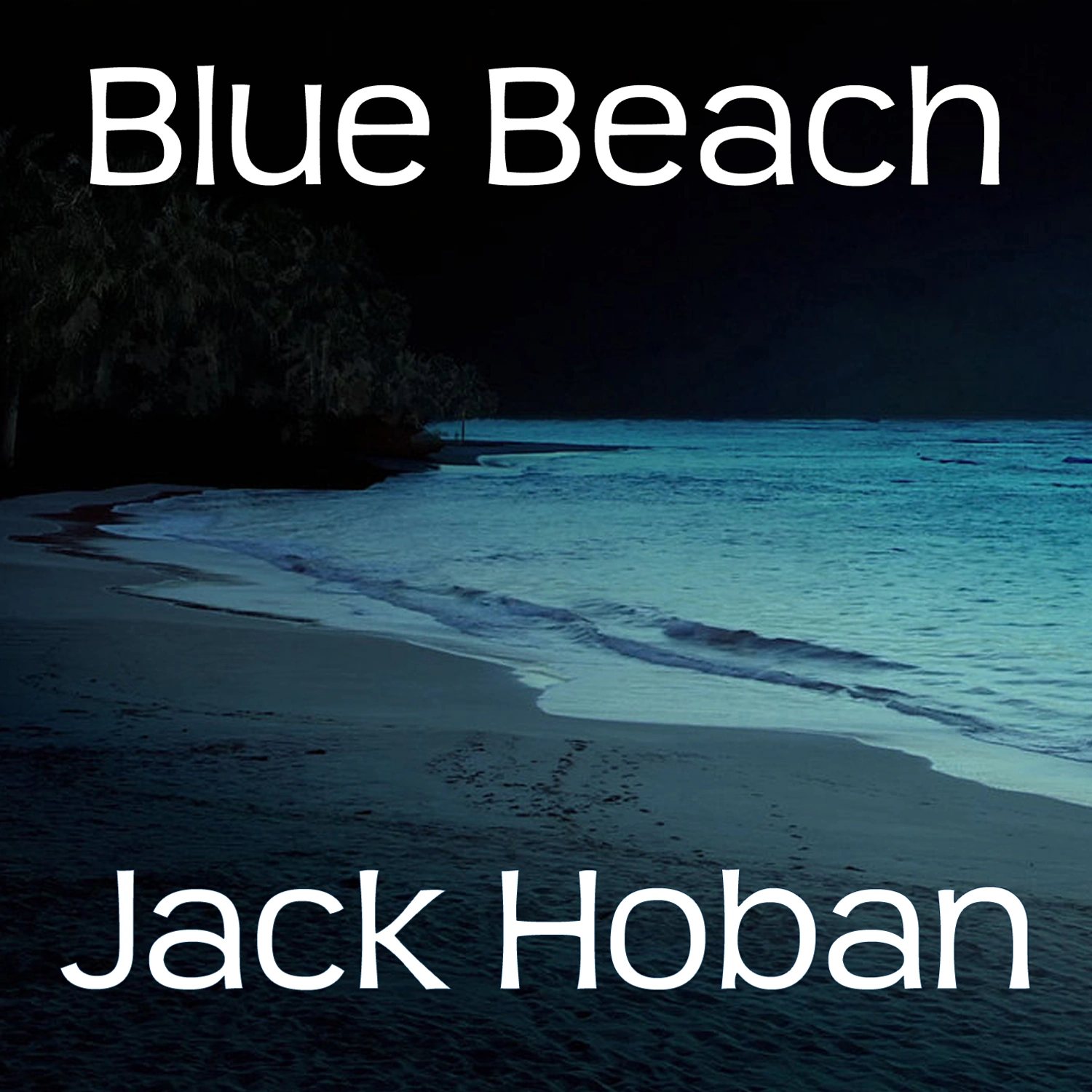
For one song on his 2021 album Blue Beach, Jack Hoban gave the drum stool to Bernard “Pretty” Purdie. Purdie is the session drummer who gave his name to the Purdie shuffle. That song is Ain’t I the Fool by Jack Hoban, track five of twelve, released on 31 May 2021. It is a blues about owning your mistakes, recorded with a drummer who has spent six decades making other people’s songs move.

Jack Hoban’s Ain’t I the Fool sits in the playlist below with our R&B, neo soul and soul picks, and Jack Hoban’s artist profile holds the rest of the coverage. The single reached this desk through PopHits.Co Music Charts, which verifies independent artists and places their releases across its network of music news sites. Give it a listen first, then read on for how Bernard Purdie ended up on the drums.


Inside Ain't I the Fool: How Jack Hoban Built a Blues Confession Around Bernard Purdie's Drums
Inside Ain’t I the Fool: How Jack Hoban Built a Blues Confession Around Bernard Purdie’s Drums

Jack Hoban Recorded Blue Beach Through the Pandemic, With Bernard Purdie on Ain’t I the Fool

Blue Beach is Hoban’s second album of songs about, and inspired by, the sea. The first, BellaMar, came out in April 2020, and he returned to the same shoreline a year later. In his own notes on the album, he wrote that people call this kind of music yacht rock these days. Then he added, drily, that he does not own a yacht.

Many of the songs were written and recorded during the pandemic. He described the record as carrying both the happy and the sad feelings of that time. Life and music, in his telling, rise and fall like waves. That mood matters for Ain’t I the Fool. It is a song about looking back at your own mistakes with a straight face and a loose groove.

The album came out on Memorial Day, 31 May 2021. Hoban produced it with Steve Jankowski. Jankowski also engineered and mixed it at Jankland Recording Studio, and he played trumpet and trombone. Meanwhile, Randy Ledet played keyboards and Buddy Savino played bass, with Deb Lyons and Katie Stemkovsky on background vocals. Finally, Scott Hull mastered it at Masterdisk.

Bernard Purdie Plays Track Five of Blue Beach for a Jersey Shore Songwriter He Already Knew

The drums on Blue Beach were shared out song by song. Ilya Stemkovsky played on five tracks and Bobby Boyd on five more. Purdie played on exactly one, and it is Ain’t I the Fool.

His name carries a lot of history. He was Aretha Franklin’s musical director for five years from 1970. He also played the shuffle on Steely Dan’s Home at Last and Babylon Sisters. By most counts he has played on more than 4,000 recordings, and in 2013 the Modern Drummer Hall of Fame inducted him.

A Friendship Already on Record

Besides, Purdie was not a stranger to Hoban’s music by 2021. He produced Jersey Blue, Hoban’s jazz and blues album released in May 2020, with songs written by Hoban and Gene McCormick. In turn, Hoban wrote the songs, played guitar and co-produced Testify, a Purdie album. John Korba arranged it, and it was recorded at Lakehouse in Asbury Park and at Jankland. The two have played live together as well. In July 2021, Hoban’s YouTube channel posted clips of Purdie with Rogues on the Run at The Falcon. So when Purdie sat down to play on Ain’t I the Fool, he was playing for a songwriter he already knew well.

Watch the video and check the artist’s YouTube channel for more.

Inside Ain't I the Fool: How Jack Hoban Built a Blues Confession Around Bernard Purdie's Drums
Inside Ain’t I the Fool: How Jack Hoban Built a Blues Confession Around Bernard Purdie’s Drums

On Ain’t I the Fool, Jack Hoban Answers Heartache With Blue-Eyed Soul Swagger, Not Self-Pity

Hoban’s own songwriting has always leaned towards the blues. Alongside his solo records he plays with his band, Rogues on the Run, a jazz and blues outfit from the Jersey Shore. The band has played local venues and festivals and opened for BB King, and their retrospective album covers 1996 to 2015. Today he is based between New Jersey and Hawaii, and he writes everything from ballads to jazz-flavoured adult contemporary songs.

Ain’t I the Fool sits where those two lives meet: AOR polish, blue-eyed soul phrasing and a blues subject. Zillions Magazine heard a song that treats the blues as a badge of honour rather than a reason to sulk. In its reading, the lyric looks back at missed chances in love and chooses honesty about mistakes over self-pity. The same review singled out Hoban’s guitar as intense but smooth, and his voice as smoky and self-assured. It also named Purdie’s drumming as the thing that keeps the whole song moving.

In the end, that is the answer the song gives. It admits the foolishness in the title, laughs at it a little, and keeps the groove going anyway.

For Listeners Who Know Steely Dan and Hall & Oates

The comparisons almost suggest themselves, because Purdie has played for both. Steely Dan built their late-1970s albums on session players of exactly his calibre. His shuffle on Home at Last is part of why Aja still sounds so easy to live with. Hall & Oates used him on Abandoned Luncheonette in 1973, and the Philadelphia duo’s mix of rock, soul and rhythm and blues made them one of blue-eyed soul’s best-known names. Listeners who love either will find the same instincts in Ain’t I the Fool. The songwriting comes first, the drummer never overplays, and the vocal has a smile in it.

From the NewMusic.News Curator Team: “Ain’t I the Fool gives Bernard Purdie five and a half minutes and a song that knows how to laugh at itself. Jack Hoban wrote a confession and recorded it like a celebration, and that is the right call for a blues this honest.”

Where to Hear Jack Hoban and Ain’t I the Fool

Stream Jack Hoban on Spotify, Apple Music, Bandcamp and SoundCloud, and find Blue Beach on Deezer. His videos, including the Blue Beach uploads and the live clips with Purdie, sit on his YouTube channel. Follow him on Instagram, Facebook and X, and read about the rest of his catalogue on his official site.


Return Trip on Film Scenes, Spanish Roots and the Making of ReScore

Return Trip on Film Scenes, Spanish Roots and the Making of ReScore

A Cádiz-Based Composer Writes New Music for Scenes From The Sheltering Sky and Cosmos Laundromat On 17 June 2023, musicians…

The Long Way to CRYING STARS: Alex Shkudun on a Year of Poems, Piano and Three Languages

The Long Way to CRYING STARS: Alex Shkudun on a Year of Poems, Piano and Three Languages

A Ukrainian Songwriter Looks Down on Fallen Empires, Floods and Towers From the Night Sky Before CRYING STARS existed, Alex…

Inside Ghosts: How Abby Power Built a London Rap Single About Staying Yourself with SamXVI

Inside Ghosts: How Abby Power Built a London Rap Single About Staying Yourself with SamXVI

Brett Miller on Self-Doubt, One Second of Hope and the Making of Heaven

Brett Miller on Self-Doubt, One Second of Hope and the Making of Heaven

Rachel Chinouriri Built Her Second Album Around One Night Out

Rachel Chinouriri Built Her Second Album Around One Night Out

The Long Way to Yours Faithfully, OneNamedPeter's Album Signed off Like a Letter

The Long Way to Yours Faithfully, OneNamedPeter’s Album Signed off Like a Letter

Inside Proceed 2: How Kennard Built a Baltimore R&B Album From Loss and Patience

Inside Proceed 2: How Kennard Built a Baltimore R&B Album From Loss and Patience

WIL.SON on One Guitar, a Stomp-Box and the Making of Blues Tourist: Vol. 1

WIL.SON on One Guitar, a Stomp-Box and the Making of Blues Tourist: Vol. 1

Johnny Marr Road-Tested The Age of Everything Before Recording It

Johnny Marr Road-Tested The Age of Everything Before Recording It

Ada Rovatti on Piloo, Her Late Father and the Making of Done Deal

Ada Rovatti on Piloo, Her Late Father and the Making of Done Deal

Inside Husk: How Scarecrowz Built a Self-Produced Hard Rock Album in Their 25th Year

Inside Husk: How Scarecrowz Built a Self-Produced Hard Rock Album in Their 25th Year

Inside Walking the Tightrope: How Stephanie Phillips Built a Folk Album Between Grief and Joy

Inside Walking the Tightrope: How Stephanie Phillips Built a Folk Album Between Grief and Joy

Inside Into The Night: How Seadog Built a Haunted Dream Pop Single in Brighton

Inside Into The Night: How Seadog Built a Haunted Dream Pop Single in Brighton

Inside On y va: How Hub30 Built a Feel-Good Song From Reggae, House and a Bordeaux Lake

Inside On y va: How Hub30 Built a Feel-Good Song From Reggae, House and a Bordeaux Lake

OneNamedPeter on Belonging, Small Towns and the Making of Passing for Human

A Lewes Songwriter Built Ten Folk, Rock and Synth-Pop Songs Alone After a Three-Year Pause

OneNamedPeter wrote, played, recorded and produced Passing for Human on his own, after three years without a new album. The ten songs that came out of that decision circle one stubborn question: what it takes to feel at home in the world.

OneNamedPeter’s title track is in the playlist below, filed alongside our singer-songwriter picks, and the full coverage history sits on OneNamedPeter’s artist profile. Passing for Human reached this desk through PopHits.Co Music Charts, which verifies independent artists and places their releases across its network of music news sites. Hear it once through, then read on.


OneNamedPeter on Belonging, Small Towns and the Making of Passing for Human

OneNamedPeter, Passing for Human and a One-Person Studio in Lewes

The setting matters here. OneNamedPeter is a British singer and songwriter based in Lewes, in East Sussex. He works as a genuinely one-person operation. As Mystic Sons put it, he writes, plays, records, produces, films and designs everything himself.

That approach has already carried him through a sizeable catalogue. His own website lists seven albums to date, including Atlas, Esc, Hurts and Pan, alongside a steady run of singles. Pan in particular drew a wide spread of reviews from independent music sites in Britain and beyond.

The pause after Pan lasted about three years. When he returned, it was with what Obscure Sound called a revived rush of inspiration, and the result was Passing for Human. The record first appeared on 21 November 2025, when the early reviews landed. It then arrived on Spotify and Apple Music on 24 April 2026. Five months on, OneNamedPeter’s Passing for Human is the natural place to start with his work.

Ten Songs That Move From Hushed Acoustic Guitar to Full-Band Rock

The album runs just over 36 minutes across ten tracks, and its range is the first thing you notice. Go Down to the River opens on acoustic strumming and an inward-looking vocal, then turns electric. Obscure Sound heard the dynamics of XTC in that shift. The Ghost of You follows with finger-picked guitar and a melancholy vocal about a love that never quite leaves.

The title track changes the palette again. There, synth-laden dreaminess sits under tasteful guitar lines, and the song takes a close look at the strange sensation of feeling out of step with everyone else. Flying works as a sister song to the opener, built on jangling guitars and a longing to escape small-town life. Hometown is the longest piece at five minutes and 20 seconds, while While You Sleep closes the record gently. Mystic Sons heard it as a lullaby that feels like a vow.

Other writers picked up the same balance. Dancing About Architecture praised the dexterous finger-picking and the less-is-more arrangements, and Songweb called the whole record a quiet earthquake of an album. The genre tags reflect that spread: alt-folk, alt-country and alt-rock pop, sometimes within a single song. Because one person made every part, the shifts never feel like a committee pulling in different directions. The same voice carries the quiet songs and the loud ones.

OneNamedPeter on Belonging, Small Towns and the Making of Passing for Human

What Passing for Human by OneNamedPeter Answers About Belonging and Small Towns

So what does the record answer? Mostly, it answers the question in its own title. Across the album, the recurring subjects are alienation, love and the pull of leaving a small place. The title track then pulls them together into a meditation on belonging and identity. The songs suggest that most people are improvising their way through being human, and that admitting it is a kind of relief.

That is also why the influences reviewers have heard make sense. XTC built a career on English songwriting that could turn from pastoral to electric within a verse, and Go Down to the River follows that route. Meanwhile, Momus spent decades making literate, soft-edged synth-pop, and the synth-lit title track sits close to that tradition. Neither comparison is about copying. Instead, both point to a British line of songwriters who treat the awkwardness of ordinary life as their main subject.

Who Passing for Human Is For

It suits listeners who move easily between folk, country and rock and do not need a record to stay in one lane. It also suits people in the UK and further afield who like albums made by hand, where the fingerprints show. Above all, it will reach anyone who has ever felt out of place in their own hometown, since that feeling runs through the whole collection.

Start with the title track, then go back to Go Down to the River and let the album play in order. Heard that way, the move from the opener’s acoustic start to the quiet close of While You Sleep feels like one long conversation. There is more on the way, too: his next album, Yours Faithfully, is due on 25 September.

From the Curator Team: “What stays with us is how Passing for Human keeps one voice across very different rooms. The hushed acoustic songs and the full-band ones sound like the same person talking, which is exactly what you would hope for from a record one songwriter wrote, played and produced alone.”

Stream OneNamedPeter Passing for Human and Follow Him Across Platforms

Stream OneNamedPeter on Spotify, Apple Music, Deezer, SoundCloud and Bandcamp. Watch his videos on YouTube, and keep up with him on Instagram, Facebook and X. All seven albums have their own pages on his official site.


Return Trip on Film Scenes, Spanish Roots and the Making of ReScore

Return Trip on Film Scenes, Spanish Roots and the Making of ReScore

A Cádiz-Based Composer Writes New Music for Scenes From The Sheltering Sky and Cosmos Laundromat On 17 June 2023, musicians…

The Long Way to CRYING STARS: Alex Shkudun on a Year of Poems, Piano and Three Languages

The Long Way to CRYING STARS: Alex Shkudun on a Year of Poems, Piano and Three Languages

A Ukrainian Songwriter Looks Down on Fallen Empires, Floods and Towers From the Night Sky Before CRYING STARS existed, Alex…

Inside Ghosts: How Abby Power Built a London Rap Single About Staying Yourself with SamXVI

Inside Ghosts: How Abby Power Built a London Rap Single About Staying Yourself with SamXVI

Brett Miller on Self-Doubt, One Second of Hope and the Making of Heaven

Brett Miller on Self-Doubt, One Second of Hope and the Making of Heaven

Rachel Chinouriri Built Her Second Album Around One Night Out

Rachel Chinouriri Built Her Second Album Around One Night Out

The Long Way to Yours Faithfully, OneNamedPeter's Album Signed off Like a Letter

The Long Way to Yours Faithfully, OneNamedPeter’s Album Signed off Like a Letter

Inside Proceed 2: How Kennard Built a Baltimore R&B Album From Loss and Patience

Inside Proceed 2: How Kennard Built a Baltimore R&B Album From Loss and Patience

WIL.SON on One Guitar, a Stomp-Box and the Making of Blues Tourist: Vol. 1

WIL.SON on One Guitar, a Stomp-Box and the Making of Blues Tourist: Vol. 1

Johnny Marr Road-Tested The Age of Everything Before Recording It

Johnny Marr Road-Tested The Age of Everything Before Recording It

Ada Rovatti on Piloo, Her Late Father and the Making of Done Deal

Ada Rovatti on Piloo, Her Late Father and the Making of Done Deal

Inside Husk: How Scarecrowz Built a Self-Produced Hard Rock Album in Their 25th Year

Inside Husk: How Scarecrowz Built a Self-Produced Hard Rock Album in Their 25th Year

Inside Walking the Tightrope: How Stephanie Phillips Built a Folk Album Between Grief and Joy

Inside Walking the Tightrope: How Stephanie Phillips Built a Folk Album Between Grief and Joy

Inside Into The Night: How Seadog Built a Haunted Dream Pop Single in Brighton

Inside Into The Night: How Seadog Built a Haunted Dream Pop Single in Brighton

Inside On y va: How Hub30 Built a Feel-Good Song From Reggae, House and a Bordeaux Lake

Inside On y va: How Hub30 Built a Feel-Good Song From Reggae, House and a Bordeaux Lake

Perpetual Violence Machine: How Hydra Vein Turned One Last Show Into A Third Act

A Brighton Thrash Band Reformed for One Night in 2020 and Never Actually Stopped

On 29 February 2020, Hydra Vein walked onto a stage at Newcastle University for the first time in more than thirty years. The show was not a comeback. It was meant to be a goodbye, and the band said so plainly at the time. Five years later there is a new EP. Perpetual Violence Machine runs five thrash tracks and roughly twenty-three minutes, out on Iron Shield Records.

Five tracks by Hydra Vein sit on the playlist below, and the band’s artist profile records what these titles have published on the thrash group. Perpetual Violence Machine was logged with this network by PopHits.Co Music Charts, the vetting scheme that verifies independent artists and places their releases across its network of music news desks. Play it straight through, then read what changed.


Perpetual Violence Machine: How Hydra Vein Turned One Last Show Into A Third Act

Before Perpetual Violence Machine, Hydra Vein Reformed To Say Goodbye

Hydra Vein formed in Brighton in 1987 around bassist Damon Maddison and his brother Nathan on drums. Two records followed, in 1988 and 1989, and then the band stopped. Most British thrash groups of that decade stopped around the same time. They had never found the label support their American and German contemporaries enjoyed.

What brought them back was not a label offer. It was a pub conversation with Stu Bartlett, who promotes Brofest. That Newcastle festival is built around veterans of the new wave of British heavy metal, plus the younger bands who returned to that material. The Maddisons had been going for years as paying customers.

The reunion also had a specific purpose, and it was not commercial. Guitarist Jon Balfour, who played on the second album, died in 1992. The band’s original singer, Mike Keen, died in 2003. The Brofest set became a tribute to both, and the line-up reflected that. The Maddison brothers played alongside guitarists Stephen Davis and Dan Ranger from the first record, Paul Bate from the second, and singer James Manley-Bird. It read less like a booking than a gathering of everyone still around to play the songs.

Nathan Maddison explained the thinking to RushOnRock in the days before the show.

“For me personally, it is to put a line under Hydra Vein, to properly sign off with those old tunes and a celebration of the memory of Mike and Jon.”

He was blunter later in the same conversation: “We thought it would be fun to bring the curtain down properly and to pay tribute to the guys who are no longer with us. Closure, I suppose.” The piece recorded, plainly, that there were no plans for a follow-up performance.

That sentence is worth sitting with, because everything after it happened anyway.

Perpetual Violence Machine: How Hydra Vein Turned One Last Show Into A Third Act

What Perpetual Violence Machine Answers About A Band That Meant To Stop

The EP arrived in October 2025 on Iron Shield Records. The band recorded and mixed it at IJland Studios in Amsterdam, across March and May of that year. Five tracks: Perpetual Violence Machine, Iron Men, Black Slammer, Strive For Life and A Thousand Forms of Fear.

The line-up is not the one that stood on the Brofest stage either. Damon Maddison is the constant. Around him now sit Ross Curry on vocals, Henry Pol on guitar and John den Buitelaar on drums. That makes this less a legacy act touring its own back catalogue, and more a working band carrying an old name.

So the EP quietly answers the question the 2020 show left open. A reunion staged as closure could easily have settled into an annual heritage booking. Instead the band wrote new material and recorded it in another country with a different singer. They also kept it short enough that nobody could mistake it for a victory lap.

The reference points here are domestic rather than American. Listeners who follow Onslaught or Xentrix will recognise what Hydra Vein are doing. Those are the other British thrash bands of that generation who came back and then kept working. It is a scene that never got its own Bay Area moment and has spent the last decade quietly assembling one anyway.

Where To Hear Perpetual Violence Machine And Follow Hydra Vein

NewMusic.News’s curator team on why it earned a slot:

“Most reunions are about an audience. This one began as a farewell for two friends who had died, and turned into new material almost by accident, which is a stranger and far more interesting reason for a band to still exist.”

You can hear the EP on Spotify and Bandcamp, or across Apple Music, Deezer and Amazon Music. The full EP is also streaming on YouTube.

Keep up with the band on Facebook and Instagram.


Return Trip on Film Scenes, Spanish Roots and the Making of ReScore

Return Trip on Film Scenes, Spanish Roots and the Making of ReScore

A Cádiz-Based Composer Writes New Music for Scenes From The Sheltering Sky and Cosmos Laundromat On 17 June 2023, musicians…

The Long Way to CRYING STARS: Alex Shkudun on a Year of Poems, Piano and Three Languages

The Long Way to CRYING STARS: Alex Shkudun on a Year of Poems, Piano and Three Languages

A Ukrainian Songwriter Looks Down on Fallen Empires, Floods and Towers From the Night Sky Before CRYING STARS existed, Alex…

Inside Ghosts: How Abby Power Built a London Rap Single About Staying Yourself with SamXVI

Inside Ghosts: How Abby Power Built a London Rap Single About Staying Yourself with SamXVI

Brett Miller on Self-Doubt, One Second of Hope and the Making of Heaven

Brett Miller on Self-Doubt, One Second of Hope and the Making of Heaven

Rachel Chinouriri Built Her Second Album Around One Night Out

Rachel Chinouriri Built Her Second Album Around One Night Out

The Long Way to Yours Faithfully, OneNamedPeter's Album Signed off Like a Letter

The Long Way to Yours Faithfully, OneNamedPeter’s Album Signed off Like a Letter

Inside Proceed 2: How Kennard Built a Baltimore R&B Album From Loss and Patience

Inside Proceed 2: How Kennard Built a Baltimore R&B Album From Loss and Patience

WIL.SON on One Guitar, a Stomp-Box and the Making of Blues Tourist: Vol. 1

WIL.SON on One Guitar, a Stomp-Box and the Making of Blues Tourist: Vol. 1

Johnny Marr Road-Tested The Age of Everything Before Recording It

Johnny Marr Road-Tested The Age of Everything Before Recording It

Ada Rovatti on Piloo, Her Late Father and the Making of Done Deal

Ada Rovatti on Piloo, Her Late Father and the Making of Done Deal

Inside Husk: How Scarecrowz Built a Self-Produced Hard Rock Album in Their 25th Year

Inside Husk: How Scarecrowz Built a Self-Produced Hard Rock Album in Their 25th Year

Inside Walking the Tightrope: How Stephanie Phillips Built a Folk Album Between Grief and Joy

Inside Walking the Tightrope: How Stephanie Phillips Built a Folk Album Between Grief and Joy

Inside Into The Night: How Seadog Built a Haunted Dream Pop Single in Brighton

Inside Into The Night: How Seadog Built a Haunted Dream Pop Single in Brighton

Inside On y va: How Hub30 Built a Feel-Good Song From Reggae, House and a Bordeaux Lake

Inside On y va: How Hub30 Built a Feel-Good Song From Reggae, House and a Bordeaux Lake