Return Trip on Film Scenes, Spanish Roots and the Making of ReScore
A Cádiz-Based Composer Writes New Music for Scenes From The Sheltering Sky and Cosmos Laundromat
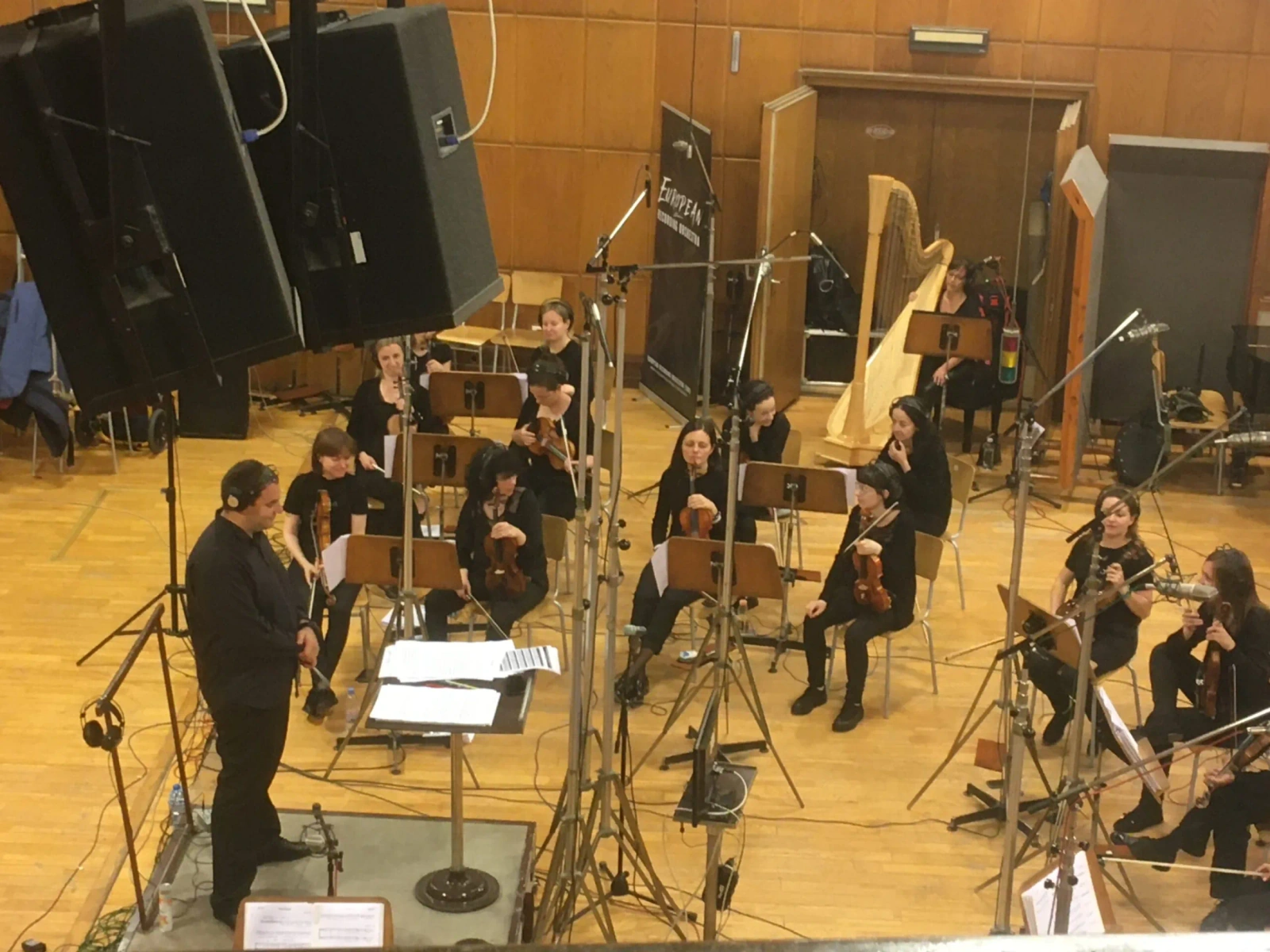
On 17 June 2023, musicians from the European Recording Orchestra gathered in Sofia. They were there to record new music for a scene from Bernardo Bertolucci’s The Sheltering Sky. The composer was Martin Jeremy Richardson, the Cádiz-based writer behind Return Trip. That session became the heart of ReScore, the Return Trip EP of film music he rescored and reimagined, released in 2024.
Return Trip’s ReScore sits in the playlist below with the jazz, classical and modern composition this desk follows. The project’s coverage is collected on the Return Trip profile. The EP reached NewMusic.News through PopHits.Co Music Charts, which verifies independent artists and places their releases across its network of music news desks. Press play on the first cue, then read on for how the scores were made.


From Spanish Folk Arrangements to Film Scenes, the Moment Return Trip Turned Towards the Screen
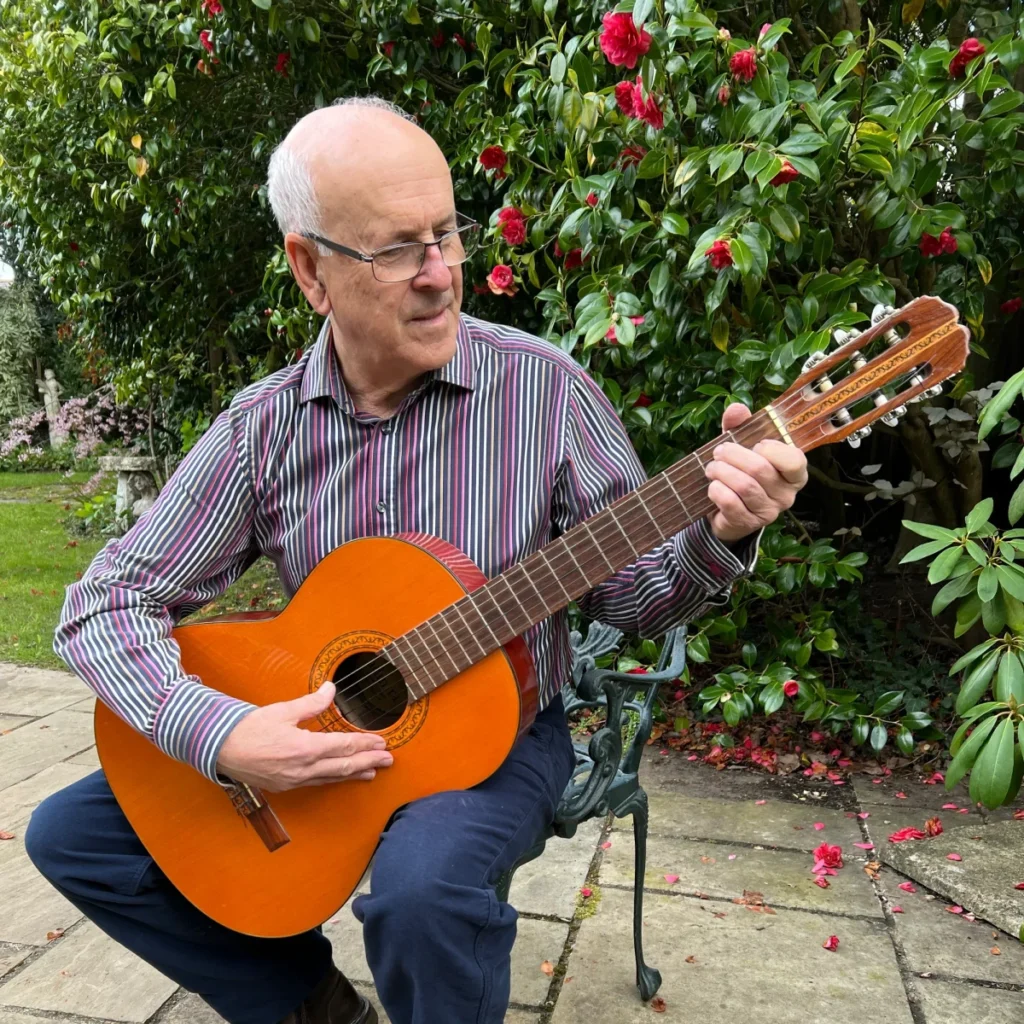
The name explains where the project started. As Carousel has noted, Return Trip is the English for the Spanish idea of ida y vuelta. It describes music that travelled from Spain to Central and South America, then came back home in a changed form. Richardson has lived in Spain for many years. Since 2018 he has built the project around that idea. Records such as Seven Spanish Songs and Spanish Roots arrange traditional Spanish and Mediterranean material.
He also brought a second training to the work. He studied composition at the Open College of Arts, Berklee College of Music and the Film Scoring Academy of Europe. ReScore is where that film training finally took the lead. Rescoring means writing new music for a scene that already exists. As a result, the picture stays the same while the feeling around it changes. In other words, it is an exercise film composers use to show what they would have done. Richardson turned five of those exercises into a release.
That turn now looks like the start of something larger. For example, the Sofia Philharmonic Orchestra performed his Zambomba! A Spanish Suite in July 2025. Tyler Austin conducted it at the Sofia Symphonic Summit. Later that year, the ClassicArt ensemble commissioned and played an ensemble version of the same piece in Plovdiv. Returning to ReScore now shows how that path began.

Five Pieces Recorded in Sofia, From a Trio to a Full Orchestra
The EP opens with Sheltering Sky. It is music for a grief scene from the 1990 film starring Debra Winger and John Malkovich. According to Indieoclock, it begins with cello and violin over subtle keys. Then comes Olivia, written for the opening scene of a film of the same name. It is built around piano and features Tom McCluskey and Jess Townsend. Two pieces then come from Cosmos Laundromat, the 2015 animated short from the Blender Institute. The Ocean features percussionist Reinaldo Ocando. It also brings the most playful writing on the set, with what Sistra called whimsical pizzicato.
The closer, Under a Sheltering Sky, returns to Bertolucci’s film with the European Recording Orchestra, conducted by Nikola Petrov. Good Music Radar heard quivering violin lines, ruminative piano and accordion in it. As a result, the EP ranges from chamber trios to a full orchestra. Reviewers singled out that breadth when it arrived.

What ReScore Answers When a Familiar Scene Gets a New Score From Return Trip
A rescore asks a simple question: how much of a scene’s feeling comes from its music? The Sheltering Sky is a demanding test. After all, its original score by Ryuichi Sakamoto and Richard Horowitz won the Golden Globe for Best Original Score. Richardson’s task was never to copy that music. Instead, a rescore asks for a new response to the same grief, so the scene can be read differently.
The Spanish thread never disappears either. One of the recordings he made for the Cosmos Laundromat rescore is a tanguillo for violin, cello and piano. The tanguillo is a flamenco rhythm closely tied to Cádiz. That instinct, bringing a Spanish accent into film music, has a famous precedent. Alberto Iglesias carried a distinctly Spanish voice from his scores for Pedro Almodóvar into international films. Along the way, he earned four Academy Award nominations. ReScore works on a much smaller scale, yet it points in the same direction.
Who ReScore Is For
This EP suits listeners who come to classical music through film. It also suits anyone who enjoys hearing a familiar scene in a new light. Similarly, it rewards anyone who follows Spanish folk forms into new settings. The accordion and the tanguillo carry Spanish colour into orchestral writing. Finally, it is a good way into Return Trip’s catalogue for readers who have only heard his concert work. On 31 May 2024 Richardson also posted the rescored scenes on YouTube. That way, each piece can be watched against the pictures it was written for.
From the NewMusic.News Curator Team: “The detail we keep coming back to is the tanguillo hidden inside an absurdist short film about a sheep. It tells you how Richardson listens: the film sets the scene, but the rhythm still comes from home. That is what turns a rescoring exercise into a personal record.”
Where to Hear ReScore and Follow Return Trip
Hear ReScore on Spotify or SoundCloud, or start with the rescored Cosmos Laundromat scene above.
Follow Return Trip across platforms:
- Spotify
- Apple Music
- SoundCloud
- YouTube
- The project’s official site