Inside Ghosts: How Abby Power Built a London Rap Single About Staying Yourself with SamXVI
A London Rapper and Her Long-Time Producer Turn Self-Discovery and Illusion Into Emo Rap
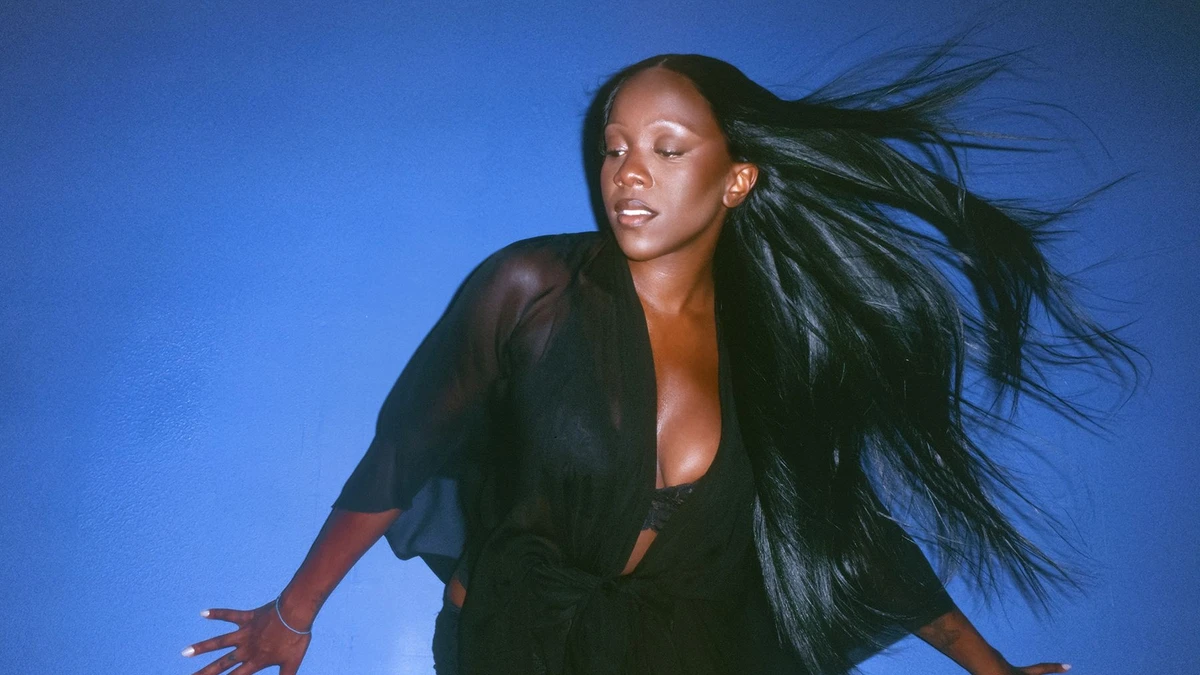
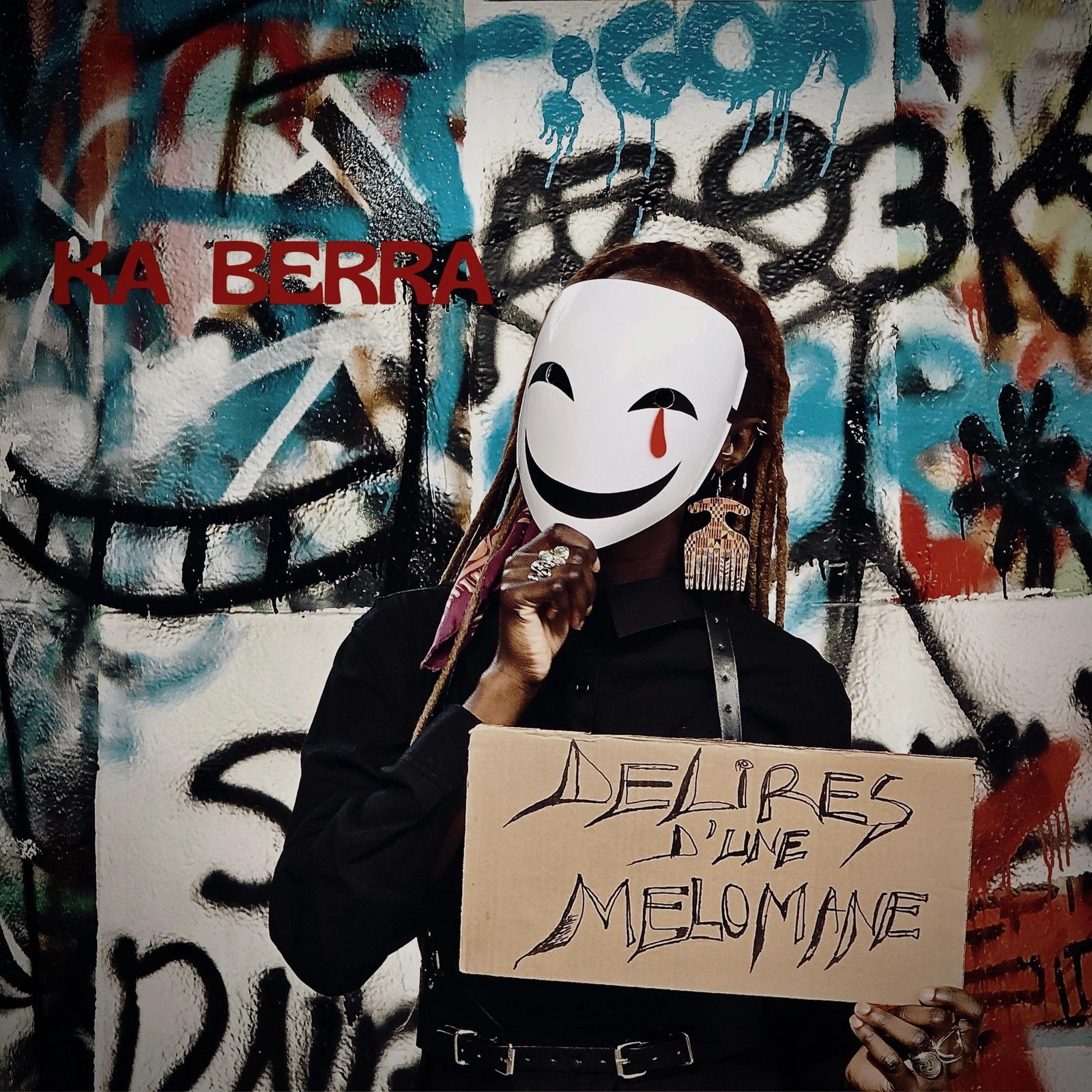
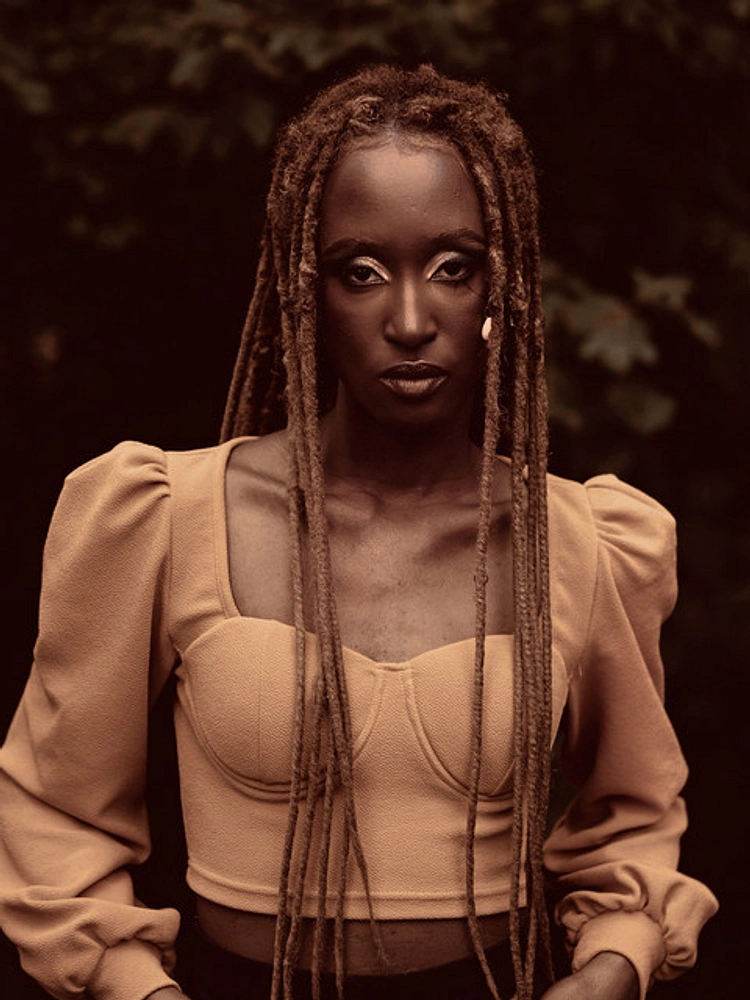
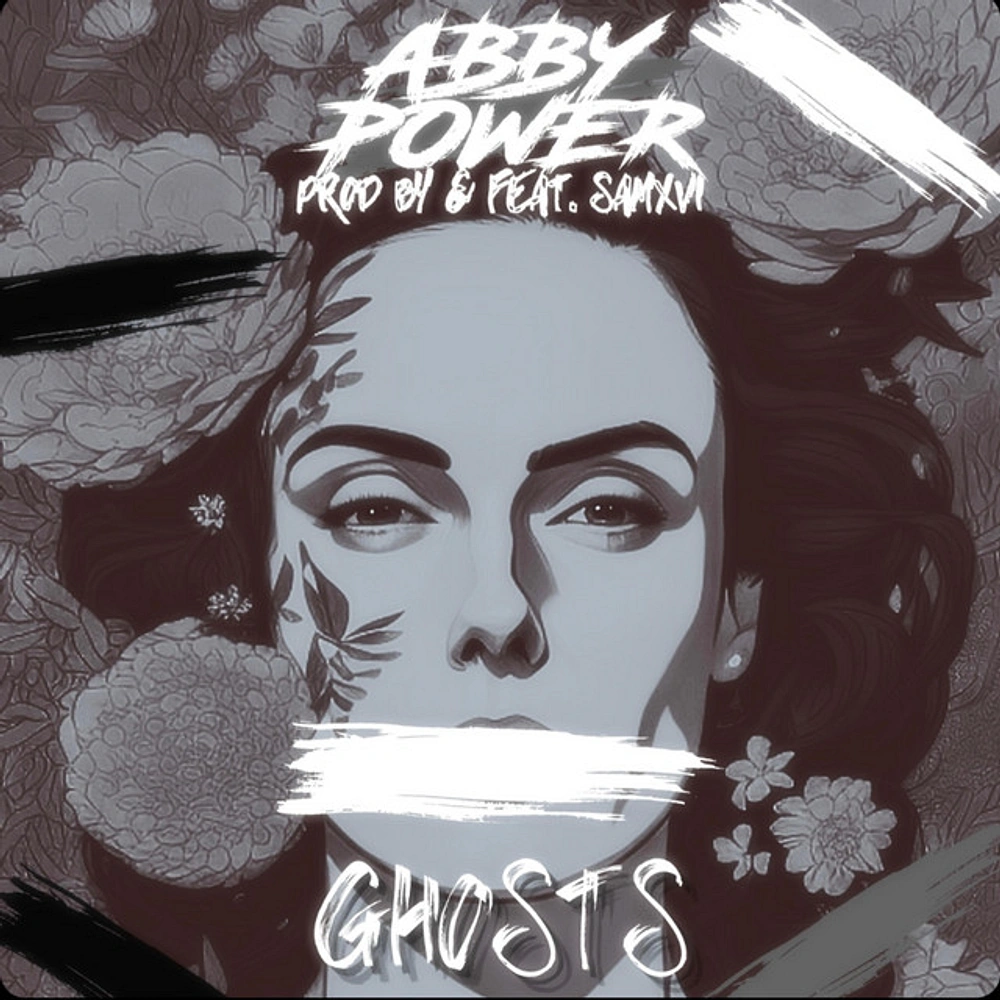
Abby Power wrote and performed every lyric on Ghosts, while SamXVI produced, mixed and mastered it and added the backing vocals behind her. Released on April 26, 2024, the single blends emo rap, hip-hop and political hip-hop around one question. How do you stay yourself in a world full of illusions?
Abby Power’s Ghosts sits in the playlist below with the conscious hip-hop and producer rap this desk keeps close. The Abby Power profile keeps all of the coverage in one place. The single reached NewMusic.News through PopHits.Co Music Charts, which verifies independent artists and places their releases across its network of music news sites. Give it a spin, then keep reading for the story of how it was made.

Ghosts by Abby Power Gets a Second Life on Her New EP, Due on October 23, 2026
The timing of this feature is no accident. Ghosts is being re-released on Power’s latest EP, which arrives on October 23, 2026. She expects that to give the song a second life. The EP is What The Fire Couldn’t Take, credited to Abby Power x SamXVI, and its artwork lists Ghosts as track nine of ten. Her Linktree already carries a pre-save for it.
That makes this a good moment to look back at where the song came from. First of all, Power has been writing since she was 14 or 15 and recording since she was 16, she told Artistic Echoes in 2022. She was signed to an independent label at 17 and stepped away from music at 21. Then she came back during the 2020 lockdown. The same interview marked her win in the Syncr Music Competition with Shades of Blue. Earlier, in February 2021, BBC Radio London had played her single Thoughts of an Artist on The Scene with Amelia Poamz, where she talked about her work on air.
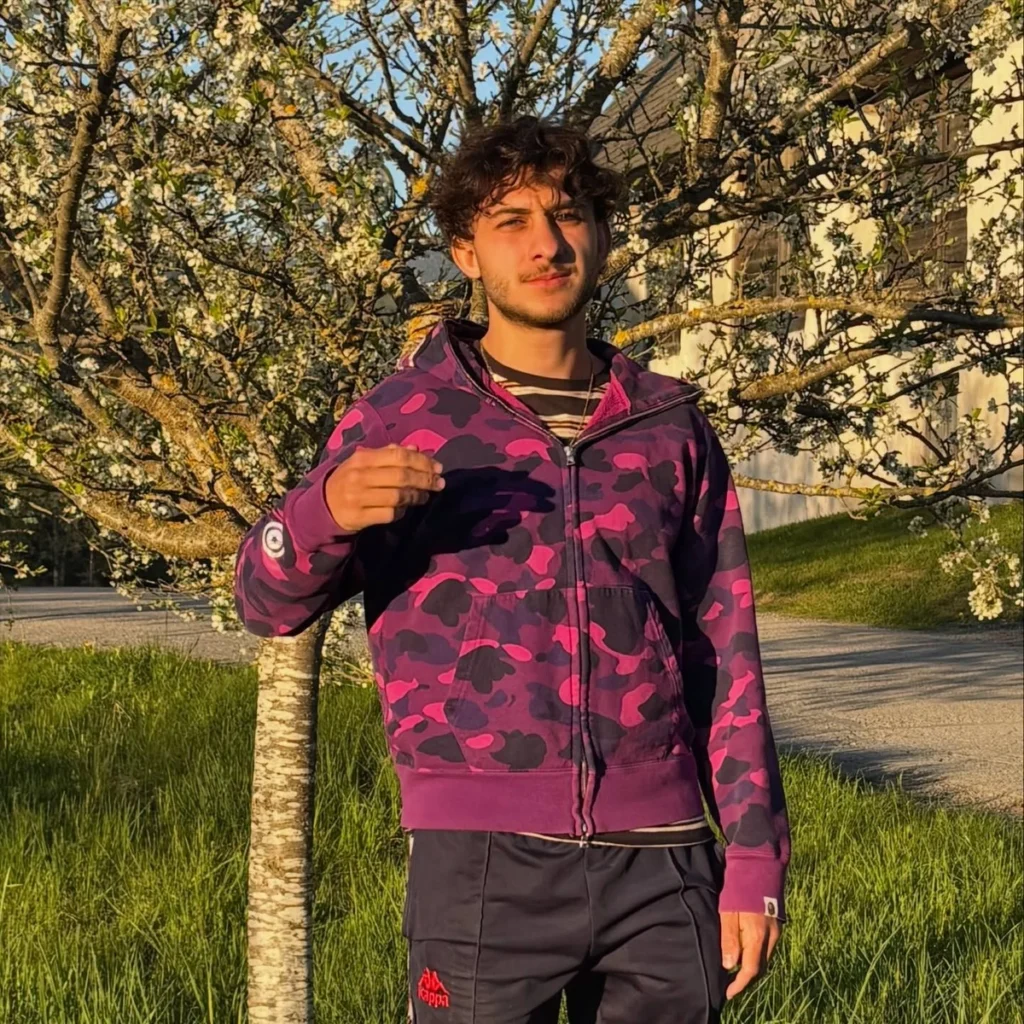
Since that return, however, SamXVI has become her most frequent collaborator. Her Bandcamp page lists his production on Free Palestine, Problems, Savage, Glass House, Same Poor and Chargie!, and Ghosts belongs to that same run of singles.

The Credits Behind Ghosts and the Song’s Fight to Stay Authentic Among Illusions
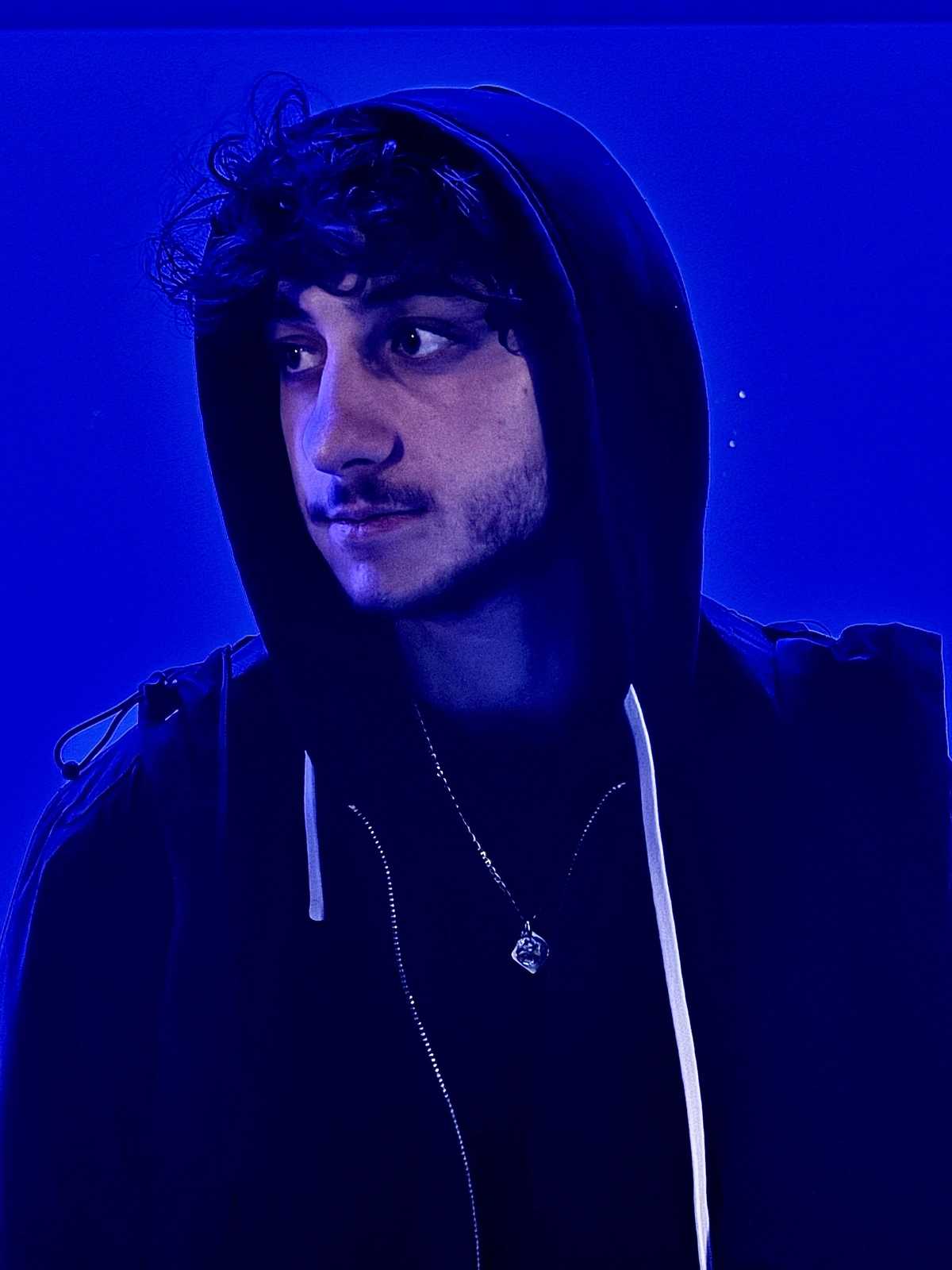
The credits split the work cleanly. Power wrote and performed the lyrics and the hook. SamXVI produced, mixed and mastered the track and sang the backing vocals. In other words, one voice carries the argument and another stands just behind it, which suits a song about holding on to yourself.
Meanwhile, Power’s own description of the song is direct. Ghosts deals with the complexities of self-discovery and the struggle to stay authentic in a world full of illusions. It is introspective first, yet it never drifts far from the sharp social commentary that runs through her work. Her catalogue shows the same instinct elsewhere, most plainly on Free Palestine.
Writing From the Bedroom for Listeners Who Feel the Same
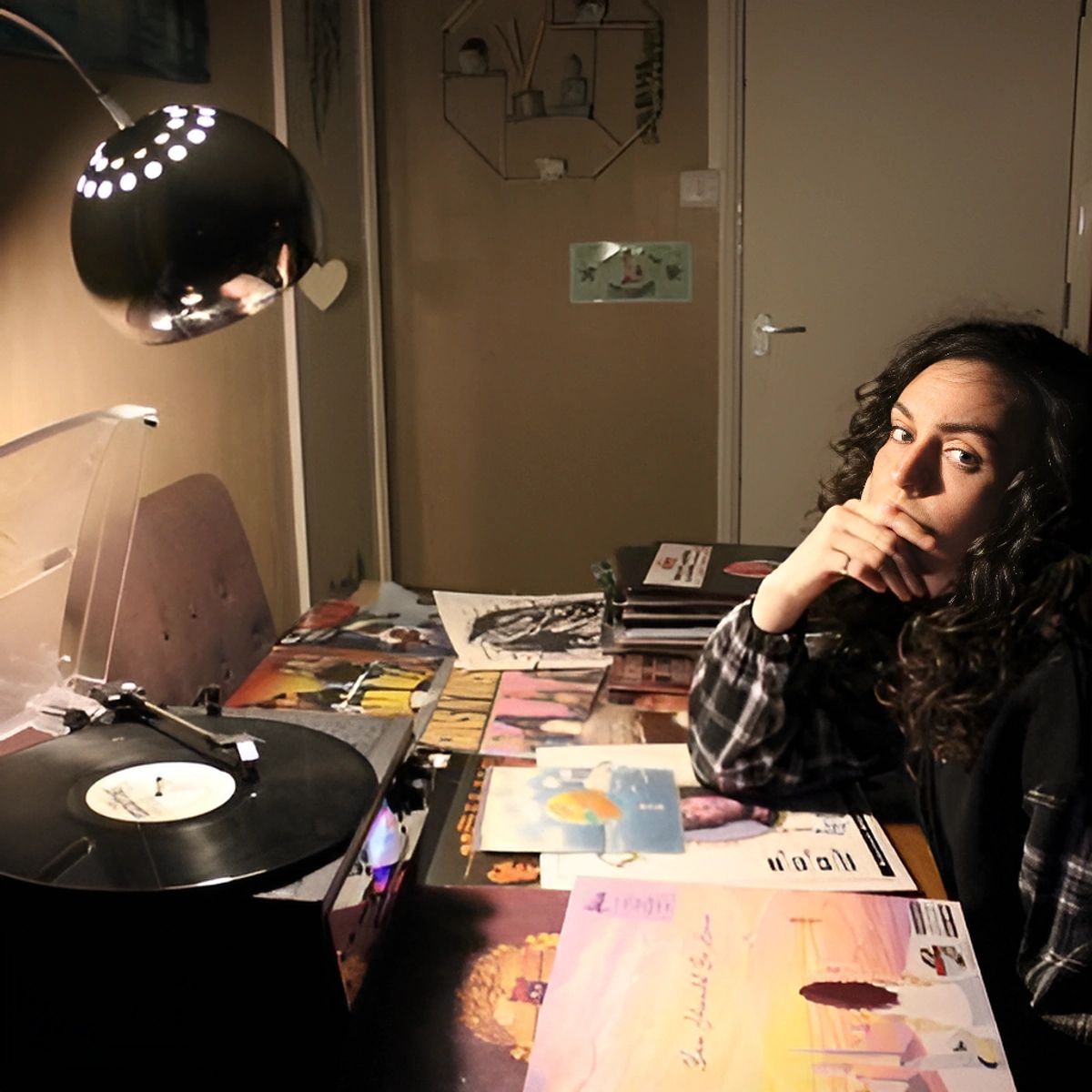
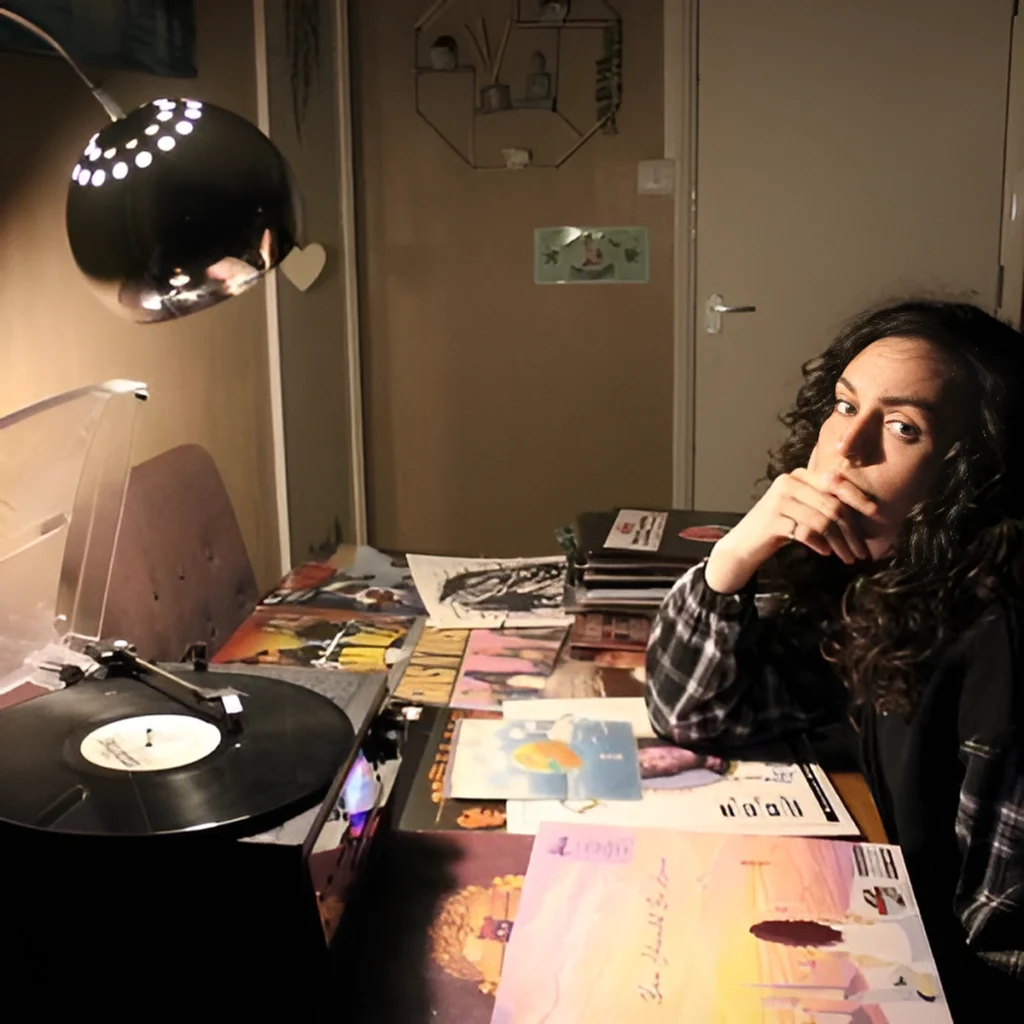
In fact, almost all of her music is recorded in her bedroom, she told Folded Waffle in April 2024. In the same spotlight, the North West London artist said she writes from her own perspective. Sometimes she is talking to herself and sometimes to the audience, but she always aims to reach someone who can relate and realise they are not alone.
The single did not wait long for a response. Four days after release, The Wild Is Calling picked it up in a Hip Hop Discovery round-up. The writer described her as swift and catchy, with a percussive cadence, and noted that she moves into a sung voice for the chorus sections. The piece also added Ghosts to its Best Hip Hop 2024 playlist.

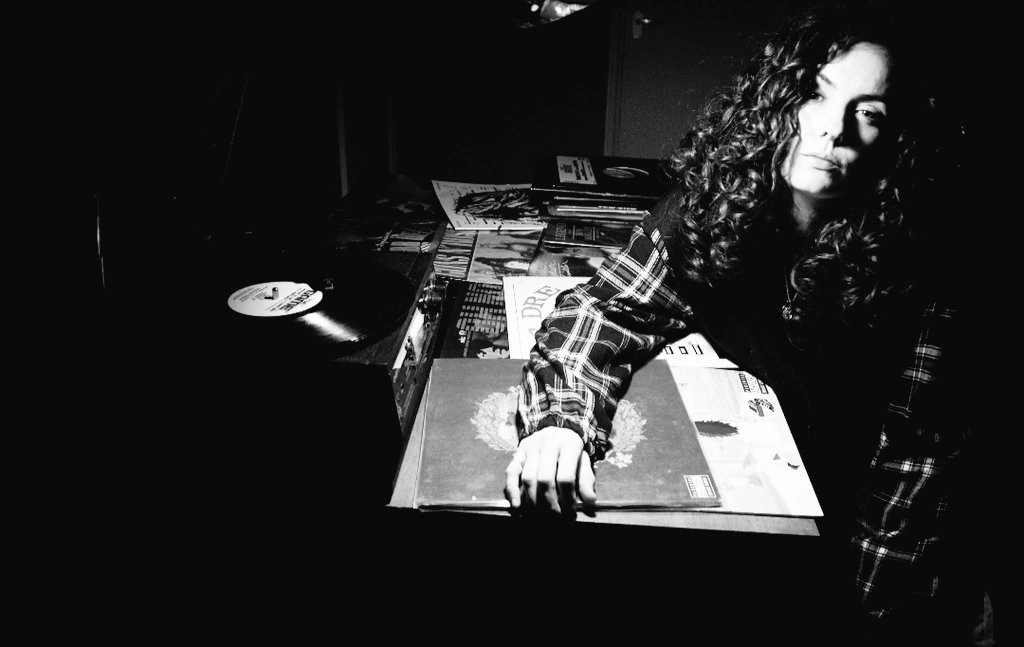
What Ghosts Answers for Listeners Who Want Emo Rap Honesty With a Hip-Hop Backbone
The question Ghosts asks is one plenty of listeners carry around: how do you stay yourself when everything around you rewards a performance? Its answer is not a slogan. Instead, it is a set of verses that admit the struggle and a delivery that moves between rapping and singing as the feeling demands.
That switch is the clearest link to the influences The Wild Is Calling listed for her. Lauryn Hill made moving between bars and melody inside a single song feel natural on The Miseducation of Lauryn Hill. Meanwhile, Mos Def showed on Black on Both Sides that conscious rap could be reflective and personal rather than preachy. Ghosts works in both of those registers at once.
Who Ghosts by Abby Power Is For
This is a song for listeners who came up on emo rap’s openness but still want the discipline of a real verse. It also suits fans of UK rap who prefer introspection to bravado. Likewise, it suits anyone who follows underground hip-hop for the writing. Finally, it is a strong entry point into her catalogue ahead of the new EP. Because so much of that catalogue was built with SamXVI, Ghosts works as a fair sample of the partnership at its most reflective.
From the NewMusic.News Curator Team: “What we keep returning to on Ghosts is how the credits mirror the subject. Abby Power wrote and delivered every word herself, and SamXVI built the world around her, from the beat to the backing vocals to the master. For a song about staying yourself among illusions, that clear line between author and architect is part of the point.”
Where to Stream Ghosts by Abby Power and Follow the North West London Rapper
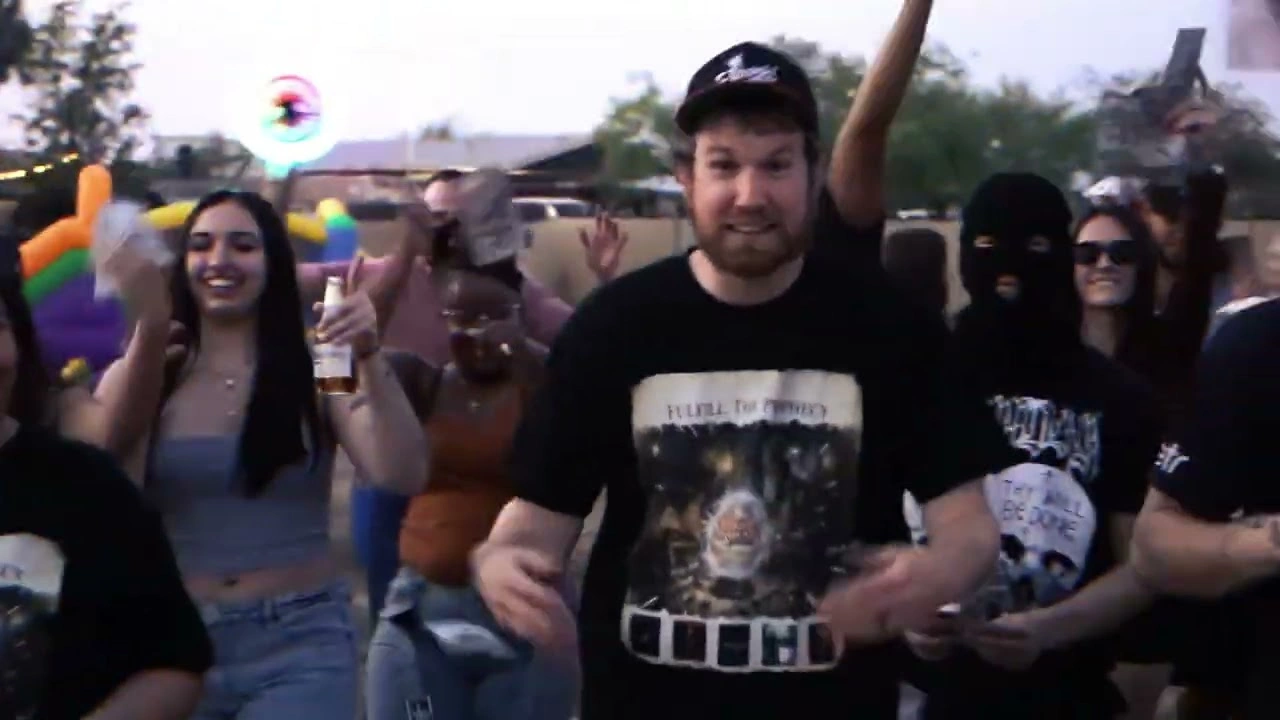
Start with the official visual above, then hear Ghosts again on Bandcamp, where every credit is listed. Before October 23, you can also pre-save the new EP so the second life of the song lands in your library on release day.
Follow Abby Power across platforms: