
Cinematic

Return Trip on Film Scenes, Spanish Roots and the Making of ReScore

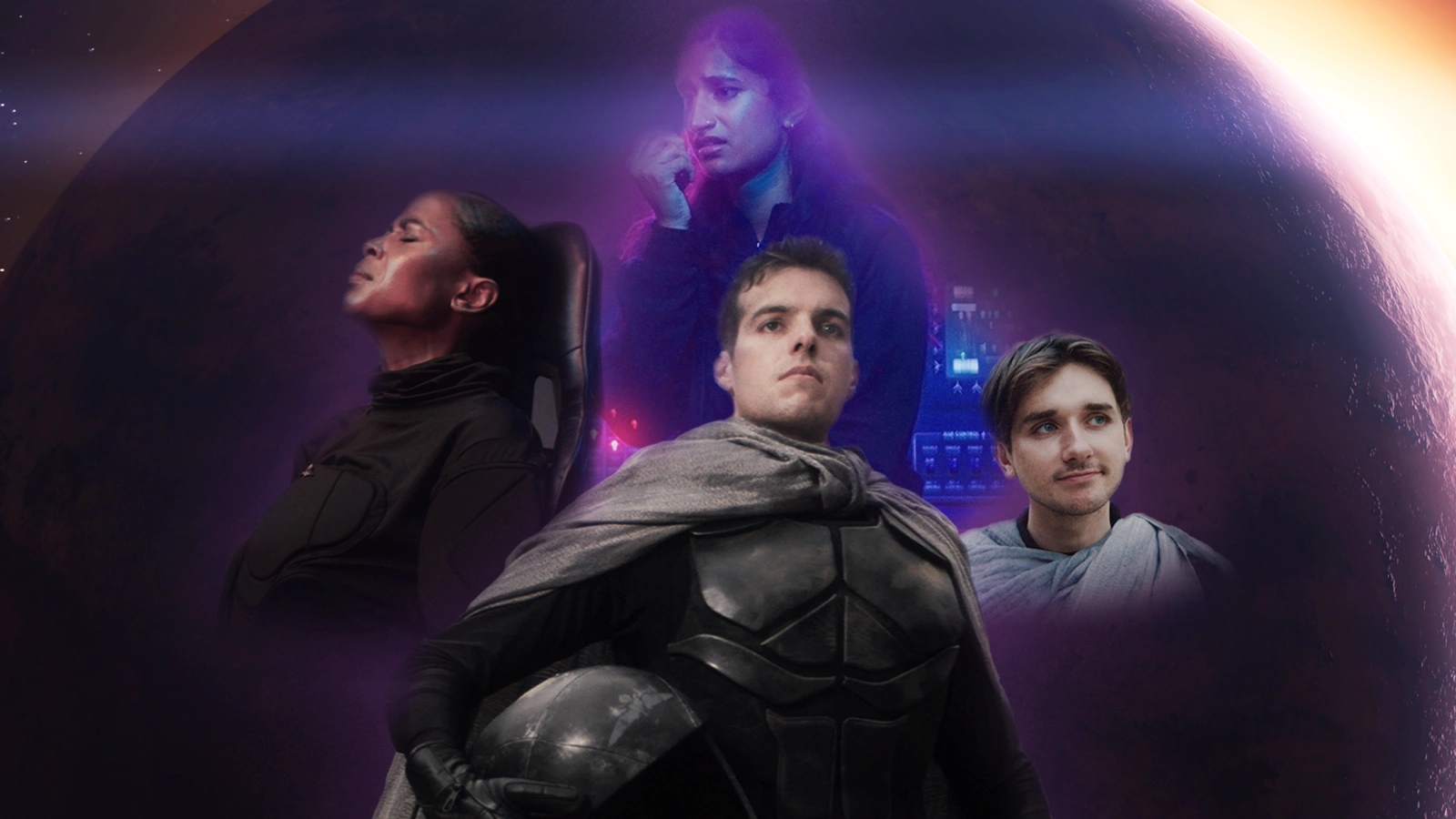
A Cádiz-Based Composer Writes New Music for Scenes From The Sheltering Sky and Cosmos Laundromat

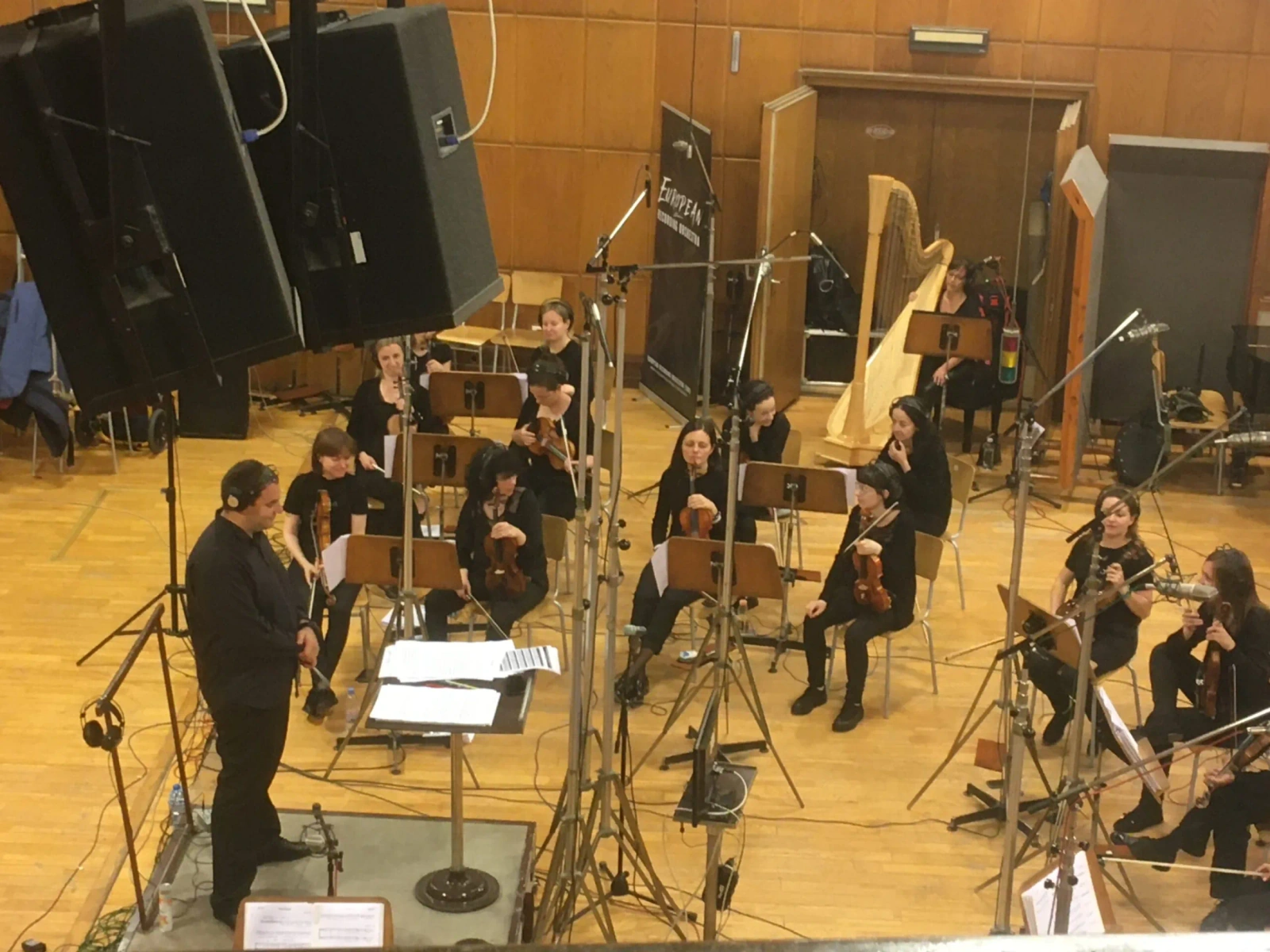
On 17 June 2023, musicians from the European Recording Orchestra gathered in Sofia. They were there to record new music for a scene from Bernardo Bertolucci’s The Sheltering Sky. The composer was Martin Jeremy Richardson, the Cádiz-based writer behind Return Trip. That session became the heart of ReScore, the Return Trip EP of film music he rescored and reimagined, released in 2024.

Return Trip’s ReScore sits in the playlist below with the jazz, classical and modern composition this desk follows. The project’s coverage is collected on the Return Trip profile. The EP reached NewMusic.News through PopHits.Co Music Charts, which verifies independent artists and places their releases across its network of music news desks. Press play on the first cue, then read on for how the scores were made.


Return Trip on Film Scenes, Spanish Roots and the Making of ReScore

From Spanish Folk Arrangements to Film Scenes, the Moment Return Trip Turned Towards the Screen

The name explains where the project started. As Carousel has noted, Return Trip is the English for the Spanish idea of ida y vuelta. It describes music that travelled from Spain to Central and South America, then came back home in a changed form. Richardson has lived in Spain for many years. Since 2018 he has built the project around that idea. Records such as Seven Spanish Songs and Spanish Roots arrange traditional Spanish and Mediterranean material.

He also brought a second training to the work. He studied composition at the Open College of Arts, Berklee College of Music and the Film Scoring Academy of Europe. ReScore is where that film training finally took the lead. Rescoring means writing new music for a scene that already exists. As a result, the picture stays the same while the feeling around it changes. In other words, it is an exercise film composers use to show what they would have done. Richardson turned five of those exercises into a release.

That turn now looks like the start of something larger. For example, the Sofia Philharmonic Orchestra performed his Zambomba! A Spanish Suite in July 2025. Tyler Austin conducted it at the Sofia Symphonic Summit. Later that year, the ClassicArt ensemble commissioned and played an ensemble version of the same piece in Plovdiv. Returning to ReScore now shows how that path began.

Five Pieces Recorded in Sofia, From a Trio to a Full Orchestra

The EP opens with Sheltering Sky. It is music for a grief scene from the 1990 film starring Debra Winger and John Malkovich. According to Indieoclock, it begins with cello and violin over subtle keys. Then comes Olivia, written for the opening scene of a film of the same name. It is built around piano and features Tom McCluskey and Jess Townsend. Two pieces then come from Cosmos Laundromat, the 2015 animated short from the Blender Institute. The Ocean features percussionist Reinaldo Ocando. It also brings the most playful writing on the set, with what Sistra called whimsical pizzicato.

The closer, Under a Sheltering Sky, returns to Bertolucci’s film with the European Recording Orchestra, conducted by Nikola Petrov. Good Music Radar heard quivering violin lines, ruminative piano and accordion in it. As a result, the EP ranges from chamber trios to a full orchestra. Reviewers singled out that breadth when it arrived.

Watch the video and check the artist’s YouTube channel for more.

Return Trip on Film Scenes, Spanish Roots and the Making of ReScore

What ReScore Answers When a Familiar Scene Gets a New Score From Return Trip

A rescore asks a simple question: how much of a scene’s feeling comes from its music? The Sheltering Sky is a demanding test. After all, its original score by Ryuichi Sakamoto and Richard Horowitz won the Golden Globe for Best Original Score. Richardson’s task was never to copy that music. Instead, a rescore asks for a new response to the same grief, so the scene can be read differently.

The Spanish thread never disappears either. One of the recordings he made for the Cosmos Laundromat rescore is a tanguillo for violin, cello and piano. The tanguillo is a flamenco rhythm closely tied to Cádiz. That instinct, bringing a Spanish accent into film music, has a famous precedent. Alberto Iglesias carried a distinctly Spanish voice from his scores for Pedro Almodóvar into international films. Along the way, he earned four Academy Award nominations. ReScore works on a much smaller scale, yet it points in the same direction.

Who ReScore Is For

This EP suits listeners who come to classical music through film. It also suits anyone who enjoys hearing a familiar scene in a new light. Similarly, it rewards anyone who follows Spanish folk forms into new settings. The accordion and the tanguillo carry Spanish colour into orchestral writing. Finally, it is a good way into Return Trip’s catalogue for readers who have only heard his concert work. On 31 May 2024 Richardson also posted the rescored scenes on YouTube. That way, each piece can be watched against the pictures it was written for.

From the NewMusic.News Curator Team: “The detail we keep coming back to is the tanguillo hidden inside an absurdist short film about a sheep. It tells you how Richardson listens: the film sets the scene, but the rhythm still comes from home. That is what turns a rescoring exercise into a personal record.”

Where to Hear ReScore and Follow Return Trip

Hear ReScore on Spotify or SoundCloud, or start with the rescored Cosmos Laundromat scene above.

Follow Return Trip across platforms:


The Long Way to CRYING STARS: Alex Shkudun on a Year of Poems, Piano and Three Languages

A Ukrainian Songwriter Looks Down on Fallen Empires, Floods and Towers From the Night Sky

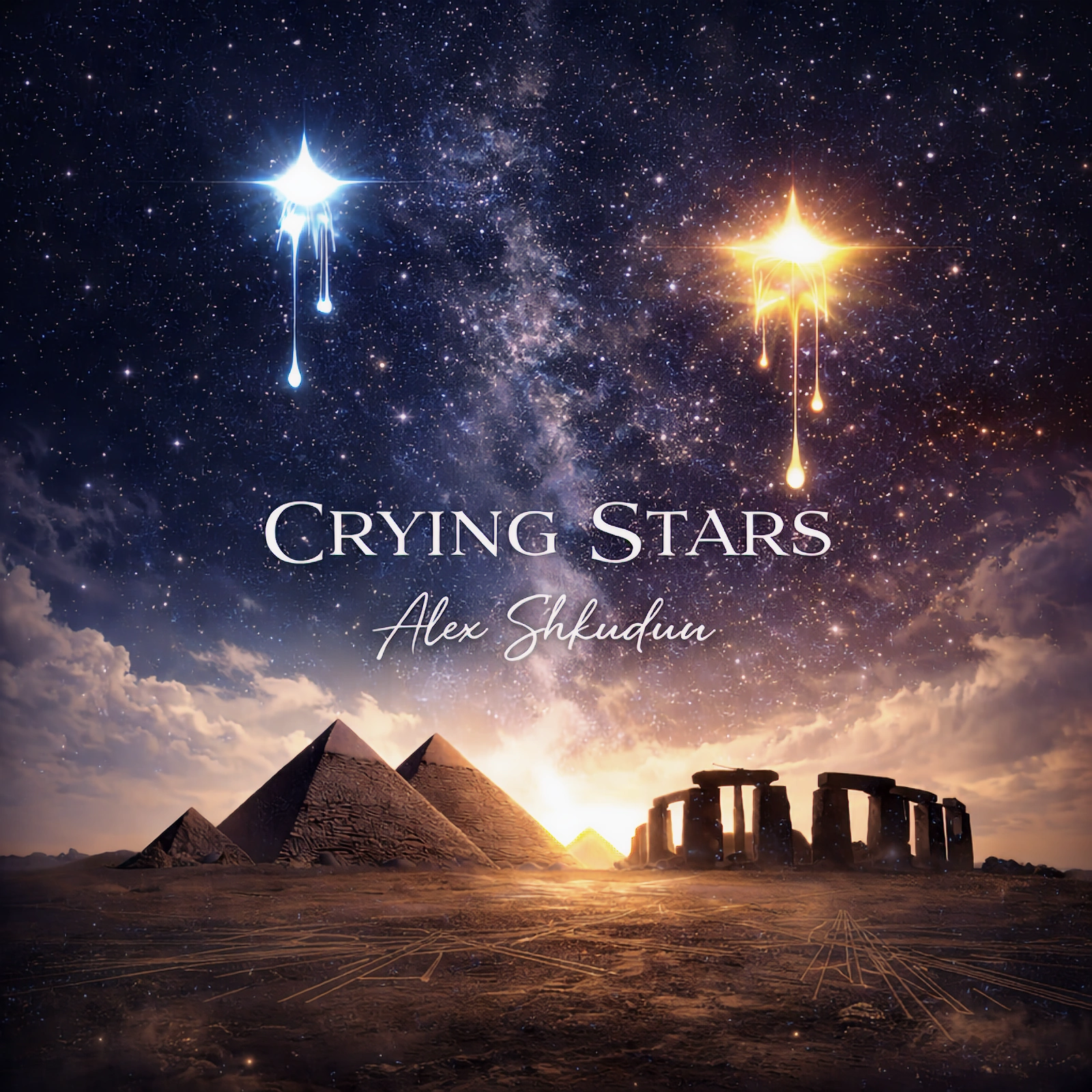
Before CRYING STARS existed, Alex Shkudun had to decide who its hero was and where the story would stand. He chose to stand nowhere on the ground at all, and handed the point of view to the stars, silent witnesses to war, fear and broken promises. The cinematic pop ballad came out on 3 April 2026, and it grows from piano-driven verses into a full orchestral chorus.

Alex Shkudun’s CRYING STARS sits in the playlist below with the pop and singer-songwriter records this desk returns to. His coverage so far is gathered on his artist profile. The single reached NewMusic.News through PopHits.Co Music Charts, which verifies independent artists and places their releases across its network of music news desks. Press play, then stay with the story of how it was made.


The Long Way to CRYING STARS: Alex Shkudun on a Year of Poems, Piano and Three Languages

A Notebook of Poems, a Year of Experiments and How Alex Shkudun Arrived at CRYING STARS

Shkudun is a Kyiv-born Ukrainian songwriter now based in Spain, and his own website reads like a long notebook. He has written there that he loved writing poems and stories from childhood. Some of those texts sat in notebooks for years. What changed, by his account, was the arrival of AI music tools about a year before the summer of 2026. For the first time, he could hear his own lyrics as finished songs.

He is careful about where the line sits. The tools can offer a melody, an arrangement or a voice, he writes. However, they cannot decide what the song is for, or what a listener should feel after the last chord. So before any of that, he works out the hero of the song, their conflict, their past and their state of mind. Sometimes a single line comes first. At other times it is the closing scene of a video he has not made yet.

Alex Shkudun released CRYING STARS in the middle of a steady run of singles. Trust Destiny came out in March, No Time in May, and KYIV AFTER MIDNIGHT in June. This one is the most direct about its purpose. Shkudun describes it as a humanitarian plea rather than a political argument. It is written from above, instead of from one country, one conflict or one generation.

Piano Verses, Atmospheric Synths and an Orchestral Climax

The arrangement follows the argument. The verses are led by piano, with atmospheric synths gathering behind them, and orchestral swells then carry the song into a large chorus. Across four minutes and forty-three seconds, it moves from quiet reflection toward a final climax. In effect, it is the musical version of a camera pulling back from one street to the whole map.

The imagery is old on purpose. Fallen empires, ancient monuments, floods and towers stand in for every period that thought it had learned something. Meanwhile, the stars watch children learn fear before they should ever have to, and that detail gives the song its weight. On 10 May 2026 he also added an official video on YouTube, credited as written, created and produced by Shkudun and brought to life with AI.

Watch the video and check the artist’s YouTube channel for more.

The Long Way to CRYING STARS: Alex Shkudun on a Year of Poems, Piano and Three Languages

What CRYING STARS Asks About Progress and Why Its Answer Is a Plea for Children

The question at the centre of the song is a simple one. If people keep repeating the same patterns, does progress mean anything at all? Seen from the stars, the usual sides disappear, so the song cannot pick a winner. Instead, it lands on the one thing everybody below can agree on: the violence has to stop before another generation of children pays for it.

That move has a long history in pop. John Lennon wrote Imagine in 1971 and asked listeners to picture a world without borders between nations, over a plain piano part. CRYING STARS borrows that wide frame and turns it toward history rather than utopia. Sting offers a second reference point. His 1987 song Fragile is a quiet lament about how little violence achieves, and he also sang it in Spanish and Portuguese for the 1988 EP Nada como el sol.

One Song in Three Languages

That last detail matters here, because Shkudun works the same way. In July 2026 Alex Shkudun released CRYING STARS again, in Ukrainian on 4 July and in Russian on 31 July. He has written that a language version is never a literal translation. Each language has its own rhythm, word length and stress, so lines, rhymes and even some images have to change before the song sounds natural. As a result, the plea reaches three audiences in their own words.

Who CRYING STARS by Alex Shkudun Is For

This is a song for listeners of cinematic pop and big emotional ballads who want the lyric to carry a real question. It suits anyone drawn to socially conscious music about history, war and children, and it does so without asking them to take a side. It will also interest listeners who are curious about how songwriters use AI tools while keeping the words, the concept and the creative direction in their own hands.

From the NewMusic.News Curator Team: “What stays with us is the vantage point. Most songs about conflict are written from inside one side of it. CRYING STARS is written from a distance where the sides stop mattering, which is why its request to protect children sounds like common sense rather than a slogan.”

Where to Hear CRYING STARS and Follow Alex Shkudun

Stream CRYING STARS on Spotify, Apple Music or YouTube Music, or start with the official video above.

Follow Alex Shkudun across platforms:


SPACELY and the Making of Here, JP Warner’s Sci-Fi Single About Staying in the Moment

A Chicago Producer’s Cinematic Alt-Pop Project Turns Mental Health Into an Original Sci-Fi Saga

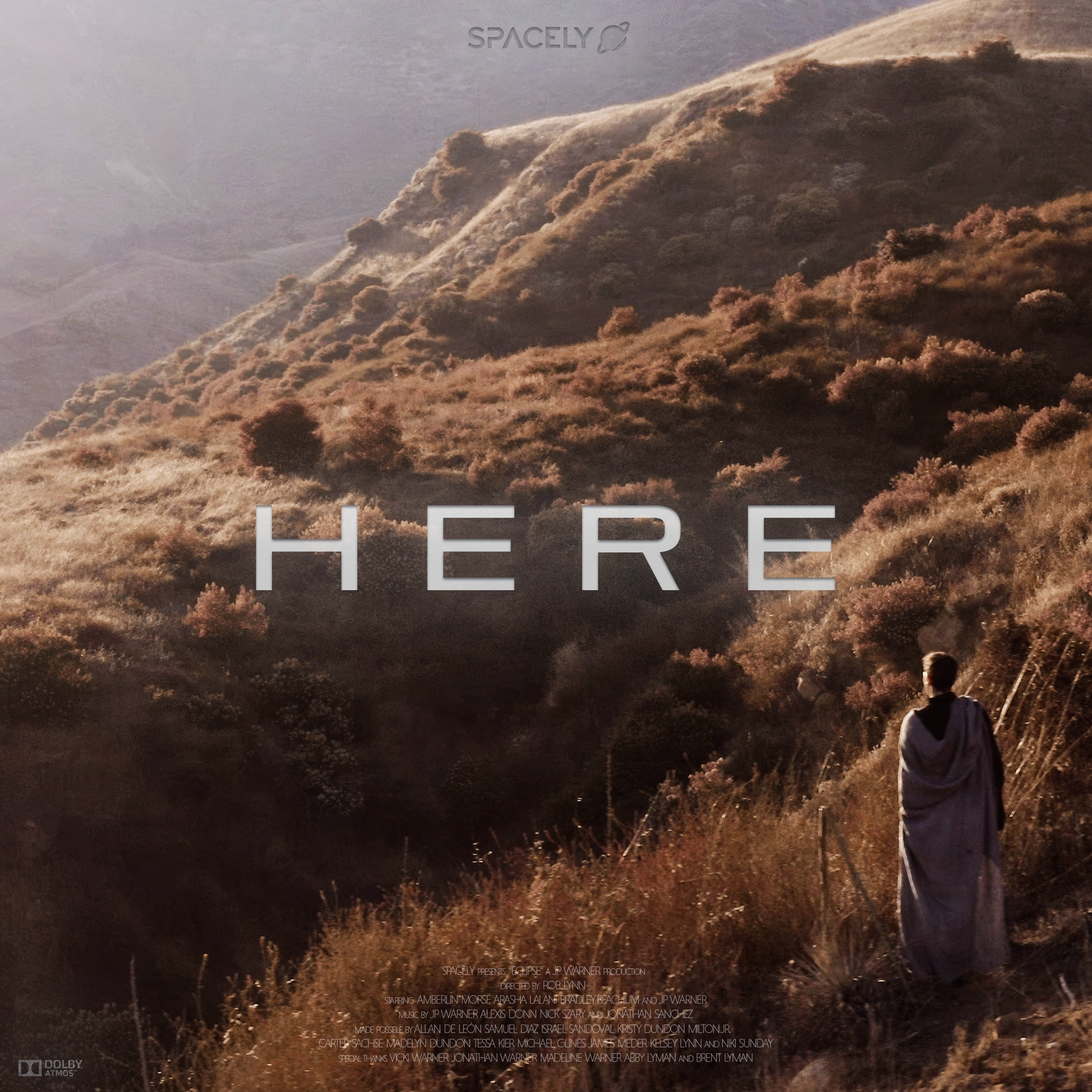
When JP Warner started writing as SPACELY, he made one decision that shaped everything after it. He would tell his own story through a character. That character is Captain Joseph Spacely, stranded with his crew on an uninhabited moon and facing their inner demons. Released on April 3, 2024, the SPACELY single Here then takes that idea somewhere direct, because it is alternative pop about staying fully present.

SPACELY and JP Warner have Here in the playlist below, so it is the first stop for anyone meeting the project today, and the rest of the coverage sits on his artist profile. Here came through PopHits.Co Music Charts, which verifies independent artists and places their releases across its network of music news sites. Play it first, then read on for why it matters now.


SPACELY and the Making of Here, JP Warner's Sci-Fi Single About Staying in the Moment
SPACELY and the Making of Here, JP Warner’s Sci-Fi Single About Staying in the Moment

Why the SPACELY Single Here Matters Now, as the Sci-Fi Saga Heads Toward Its Next Chapter

The timing is worth explaining. ECLIPSE, the album that holds Here, arrived a chapter at a time through 2024. Crash was billed as Chapter 3 that May. After that, Reforge followed as Chapter 9 of 11 by December, and the full record finally landed in 2025. Now SPACELY’s official page promises that the captain and crew will return in 2026. So the story sits between chapters, which makes this a natural moment to return to the song that states its purpose most plainly.

Here sits fourth on the finished album, after the overture, Destiny and a short interlude titled with a numeric code, 012.012.082. In total the album runs to 22 tracks and 43 minutes, and those coded interludes recur between the songs. Heard in that sequence, Here lands early, almost like the thesis of the whole record.

The SPACELY single also arrived with a head start. In the weeks after its April 2024 release, Here drew write-ups from Hailtunes, Mesmerized, Beach House Mag and Muse Chronicle. Brazil’s IndieOclock covered it too. In fact, most of them picked up on the same pairing of a large sound and a very personal subject.

The Chicago Producer Behind SPACELY and the Captain Joseph Spacely Story

The person behind it has spent years on the other side of the glass. JP Warner is a Chicago-based producer, artist and storyteller with more than a decade in the studio. First, he co-founded the DJ duo MiNDTRiX, and only then moved into pop production. His collaborators include TE/MO, Excision and Jorge Rivera-Herrans, the creator of EPIC: The Musical.

Alongside SPACELY, he also runs a jazz catalogue under his own name and NIGHTSWIM, a melodic house project. SPACELY is the one he describes as his vessel for processing what he has learned about managing his mental health and finding inner peace.

Musically, Here is built from layered synths and punchy percussion. On top, the vocal climbs from firm verses into a wide, soaring chorus. Muse Chronicle traced the influences to Hans Zimmer, Blink-182 and Porter Robinson. Meanwhile, Mesmerized heard the finished single as grand, sweeping alt-pop when it arrived.

The theme is simple, and deliberately so. Muse Chronicle described Here as a song about being fully immersed in the present moment. Similarly, Beach House Mag noted how deeply Warner’s own experience with mental health runs through the lyrics. Writing through a character is also what makes that honesty possible. SPACELY told Mesmerized that writing as Captain Joseph Spacely makes it easier to be vulnerable. In addition, the same interview credited sci-fi films as the fuel for building the world around the songs.

SPACELY and the Making of Here, JP Warner's Sci-Fi Single About Staying in the Moment
SPACELY and the Making of Here, JP Warner’s Sci-Fi Single About Staying in the Moment

What Here Offers Fans of K-Pop, Game Soundtracks and Film Scores

SPACELY’s music is pitched at a crossover crowd: fans of K-pop, Riot Games soundtracks, film scores and electronic music. The SPACELY single suits that listener well, because its hook is pop-sized while its scale borrows from the screen.

The clearest reference point is Porter Robinson, whose album Nurture turned a hard stretch of self-doubt into bright, big-hearted electronic pop. Hans Zimmer explains the other half of the sound, with its patient builds and the sense of a scene opening up. Blink-182 may look like the outlier. Still, that band’s gift for a plain-spoken chorus is exactly what keeps Here grounded.

So what does Here answer? For listeners who like their pop with a story attached, it is an easy way into a larger world. Meanwhile, for anyone facing their own version of the captain’s moon, it is a three-and-a-half-minute reminder to come back to where they are.

The NewMusic.News curator team: “Here works because JP Warner keeps the message small while the production goes big. The chorus opens out like a film cue, yet the idea at its centre is a single instruction to stay present, and that contrast is what gives the song its pull.”

Stream the SPACELY Single Here and Follow the Project Across Platforms

Start with the SPACELY single at the top of the page. After that, carry on through ECLIPSE, where Here sits among the chapters of the captain’s story.

Keep up with SPACELY and JP Warner here:


Veludo Tropical on Human-Led Bolero and the Making of No Me Digas Adiós

A Campinas Project Revives the Vintage Bolero Farewell and Says Openly How It Was Made

Every Veludo Tropical song starts as a scene: a half-lit bar, a forgotten letter, a city under rain. No Me Digas Adiós, out since 20 August 2026, opens on a farewell. In this Veludo Tropical bolero, a mature female voice carries that goodbye over a vintage arrangement. The project behind it, based in Campinas, Brazil, is also unusually direct about how it built the song.

Veludo Tropical’s farewell bolero sits in the playlist below, among the jazz and modern composition this desk keeps returning to, and the project’s full run of coverage lives on the Veludo Tropical profile. No Me Digas Adiós reached NewMusic.News through PopHits.Co Music Charts, which verifies independent artists and places their releases across its network of music news titles. Press play, stay with the whole goodbye, then carry on reading.


Veludo Tropical on Human-Led Bolero and the Making of No Me Digas Adiós

Veludo Tropical Arrives as Bolero Becomes World Heritage and Streaming Asks How Songs Are Made

Two changes in the years before this single shape how it arrives. First, in December 2023, UNESCO added bolero to its Representative List of the Intangible Cultural Heritage of Humanity. Cuba and Mexico nominated the form together, and their nomination described it as identity, emotion and poetry turned into song. The committee also noted that composers are still writing new boleros, in a living dialogue with the tradition.

The second change came from the streaming side. In September 2025, Spotify said it would back a new DDEX industry standard for showing, in a song’s credits, where AI played a part. Its argument, moreover, was that listeners deserve a more nuanced picture than a simple yes or no.

Veludo Tropical therefore sits exactly where those two stories meet. It writes new boleros, and it also says plainly that generative tools are part of its process.

The Method Behind Every Veludo Tropical Song

The project describes its method in some detail. Each track begins with a human creative direction: a scene, a feeling, a story and an artistic intention. After that, generative and digital tools come in during production. Selection, revision, the mood each song aims for, the visual identity and the final decisions all stay in human hands. The project is also careful not to present the technology as the artist.

That openness is rarer than it should be, because plenty of machine-assisted music reaches streaming services with no word on how anyone made it. Here, by contrast, the project states its method up front, alongside a clear account of what the tools do and what they do not do.

The inspiration, however, is far older than any of the tools. Veludo Tropical draws on the classic nights of Latin America, blending bolero with smooth Latin jazz, serenade and sophisticated vintage arrangements. In fact, No Me Digas Adiós is its first release on Spotify.

Watch the video and check the artist’s YouTube channel for more.

Veludo Tropical on Human-Led Bolero and the Making of No Me Digas Adiós

No Me Digas Adiós Takes Nearly Five Minutes to Say One Goodbye

The title translates as “don’t tell me goodbye”, and the song gives that plea room to breathe. It runs to about four minutes and forty seconds. That is long for a single in 2026, yet right for a bolero, where a goodbye usually takes a whole song to say. Meanwhile, a mature female voice leads, and the arrangement leans on the vintage Latin colours the project names as its home ground.

The project’s YouTube channel bills the official video, embedded above, as a vintage romantic bolero. It also suits the song’s film-like staging, with one scene played out slowly.

Two reference points help place the mood, with no connection implied between the artists. For instance, Omara Portuondo, the Cuban singer long linked with the Buena Vista Social Club, has spent decades showing how much a mature voice can put into a bolero. Luis Miguel, on the other hand, took the form to a new generation in 1991 with Romance, on which he and producer Armando Manzanero reworked classic boleros. As a result, No Me Digas Adiós speaks to listeners who know both of those voices and still want new songs in the same spirit.

What This Veludo Tropical Bolero Answers, and Where the Project Goes Next

The question this release answers is a simple one: can a project that uses new tools still make a bolero that means something? Veludo Tropical’s reply is to keep the parts that matter in human hands, and then to tell you so. After that, the rest is the song’s job, and it takes its time doing it.

For listeners of classic bolero, smooth Latin jazz and film soundtracks, it is an easy one to add to a late-evening rotation. It should also make particular sense in Brazil, Mexico, Bolivia and Venezuela, where the project is aiming its first releases. Similarly, Spanish-speaking audiences who grew up with the form are a natural home for it.

The project has not stood still since. A second single, Perfume de Medianoche, followed on 11 September 2026. A third, Bajo la Luna de La Habana, already appears on the project’s site, where fans can pre-save it on all stores.

NewMusic.News’s curator team: “A bolero depends on patience, and No Me Digas Adiós has it: close to five minutes spent on one goodbye, with a mature voice and a vintage setting doing the work. We would also like more projects to follow its lead on disclosure, because telling listeners how you made a record costs nothing and earns trust.”

You can follow Veludo Tropical across these platforms:


Markus Nokio the Orphan and the Violin That Answers the Piano

A Self-Taught Finnish Composer and the String Line That Opens up a Solo Piece

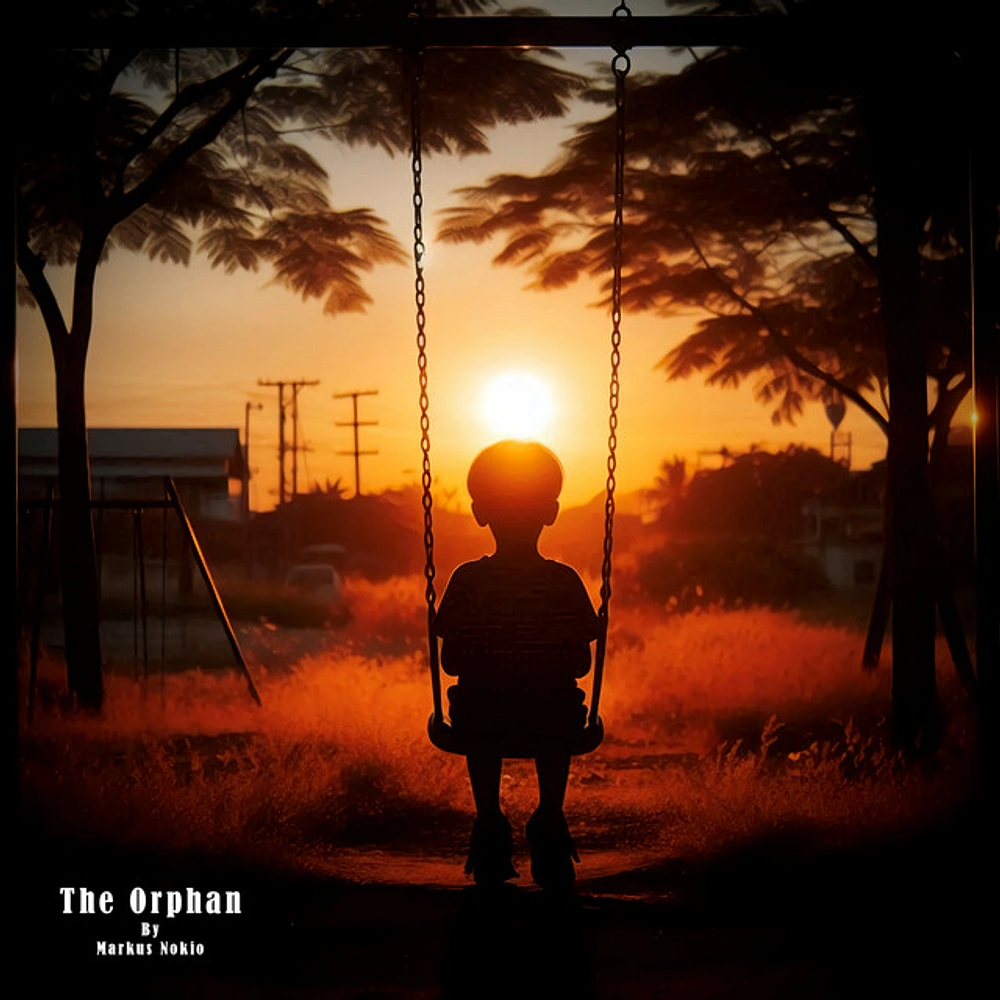
Markus Nokio built The Orphan around a single decision, and two reviewers found it independently. Writing five days apart, in different countries and different languages, both stopped at the same place. Not the opening piano figure, which circles quietly under everything. They stopped at the moment a violin enters over it. That kind of agreement between strangers usually points at a decision rather than an accident.

Markus Nokio’s music is in the playlist below, and his full coverage history sits on his artist profile. The Orphan reached this desk through PopHits.Co Music Charts, which verifies independent artists and places their releases across its network of music news desks. Press play, then read on.


Markus Nokio the Orphan and the Violin That Answers the Piano

The Moment Markus Nokio Built The Orphan Around

Nokio taught himself to compose, works out of Finland, and describes what he does in plainly commercial terms: music for media, television, film and games. That detail explains a good deal about The Orphan. Writing to picture teaches a particular discipline. You learn to hold one line steady while something else moves against it. You also learn that a second voice entering is an event, and that a listener feels it whether or not they can name it.

The Orphan runs on exactly that principle. The piano underneath holds a continuous melody, which Good Music Radar described as flowing at the base like a river. On purpose, it does not do very much. It is a bed. The violin, when it arrives, does not compete with the piano so much as reply to it, and the piece opens outward from there. Nokio keeps faint vocal echoes behind the strings, far enough back that they read as colour rather than as singing.

The Year That Produced The Orphan

The Orphan did not arrive out of nowhere, and for its composer it was not a rare event. It went up on 9 October 2024 as his fifth release of that year. Earlier singles included Love, Rage and Misery and After It’s Too Late. Five pieces in ten months is a working pace rather than a careful one, and that changes how you hear this one. Markus Nokio writes steadily and puts the results out. So The Orphan reads less as a statement than as an entry in a run, and the run is where the craft accumulated.

People use the self-taught label loosely, so it is worth being precise about what it buys and what it costs. Nokio writes, by his own account, about his experiences in life, and the titles match. A conservatory would have handed him a vocabulary for the thing he does anyway. Its absence left him incurious about the rules governing what a contemporary classical piece ought to withhold. The Orphan is unembarrassed about its feeling. It states a mood early, then deepens it rather than complicating it, which is a choice a more schooled writer might have talked themselves out of.

Markus Nokio the Orphan and the Violin That Answers the Piano

Where The Orphan Sits, and What Markus Nokio Answers With It

Contemporary classical is a wide and slightly awkward label. It covers severe modernism at one end and piano music written for headphones at the other. The Orphan belongs firmly to the second group, and its neighbours are easy to name. Listeners who have spent time with Ludovico Einaudi will recognise the method: hold a simple figure, and let repetition do the work that harmonic surprise does elsewhere. Anyone who follows Ólafur Arnalds knows the particular pleasure of a string line entering over a piano that has already established the room. And Max Richter has spent a career showing that a piece built to be usable in film still works with nothing on the screen.

That last point is the one The Orphan answers most clearly. Critics often dismiss music by composers who score to picture as merely functional, as though supporting a scene were evidence of thinness. Both reviews argued the opposite. Both reached for stories rather than for other records to do it. Good Music Radar heard Oliver Twist and Annie. INDIEOCLOCK, writing in Brazil, described walking through empty woods, and found something medieval in the harmony between the violin and the keys. Nobody prompted either reading. That both writers went looking for a narrative suggests the piece supplies one.

NewMusic.News’s curator team: “The interesting thing about The Orphan is how little it spends. One piano figure, one violin answering it, and some vocal colour kept well back. A composer with more training might have added a development section and lost the whole effect. Markus Nokio trusted the entrance to carry it, and it does.”

Where to Hear The Orphan and Follow Markus Nokio

The Orphan is on Spotify, and the wider catalogue sits on the Spotify artist page, on Apple Music, on YouTube Music and on SoundCloud.

For the working side of things, which for a composer who writes to commission is most of it, Markus Nokio posts to YouTube, Instagram, Facebook, TikTok and Threads.