The Long Way to Forever: Gio 22/6, Rado Ricky and Five Years of Soft R&B Production
A Producer’s Monthly Run of 2026 Singles Brings Rado Ricky Back for a Second Collaboration
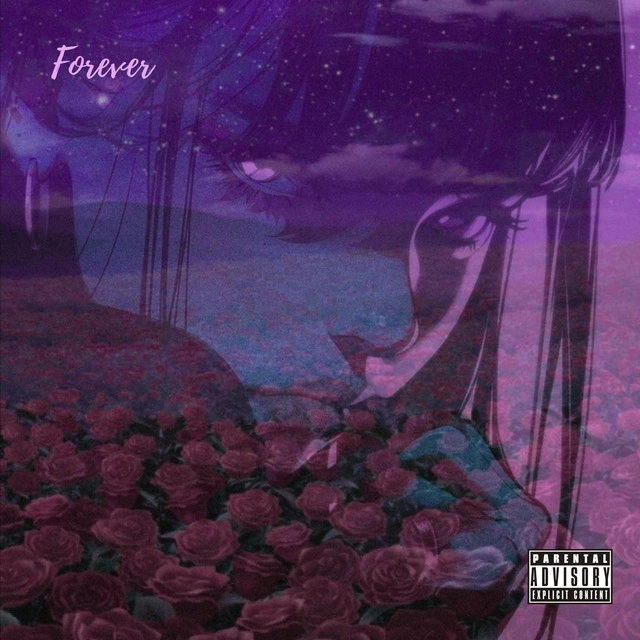
Forever, the May 2026 single from Gio 22/6, lasts two minutes and 14 seconds. He built it on hi-hats running at about 130 beats per minute, with the snare landing at half that pace. For the collaboration he brought in Rado Ricky, who had already appeared on his October 2025 single Sins. It came out on 7 May 2026, one stop in a run of new Gio 22/6 singles that has arrived almost every month this year.
Gio 22/6’s Forever, with Rado Ricky, sits in the playlist below among our R&B, neo soul and soul picks, and Gio 22/6’s artist profile collects the wider coverage. The single reached this desk through PopHits.Co Music Charts, which verifies independent artists and places their releases across its network of music news desks. Press play on that half-time snare first, then keep reading for the run of singles around it.

Gio 22/6 Spent Five Years Refining Soft R&B Beats Before a Monthly Run of 2026 Singles
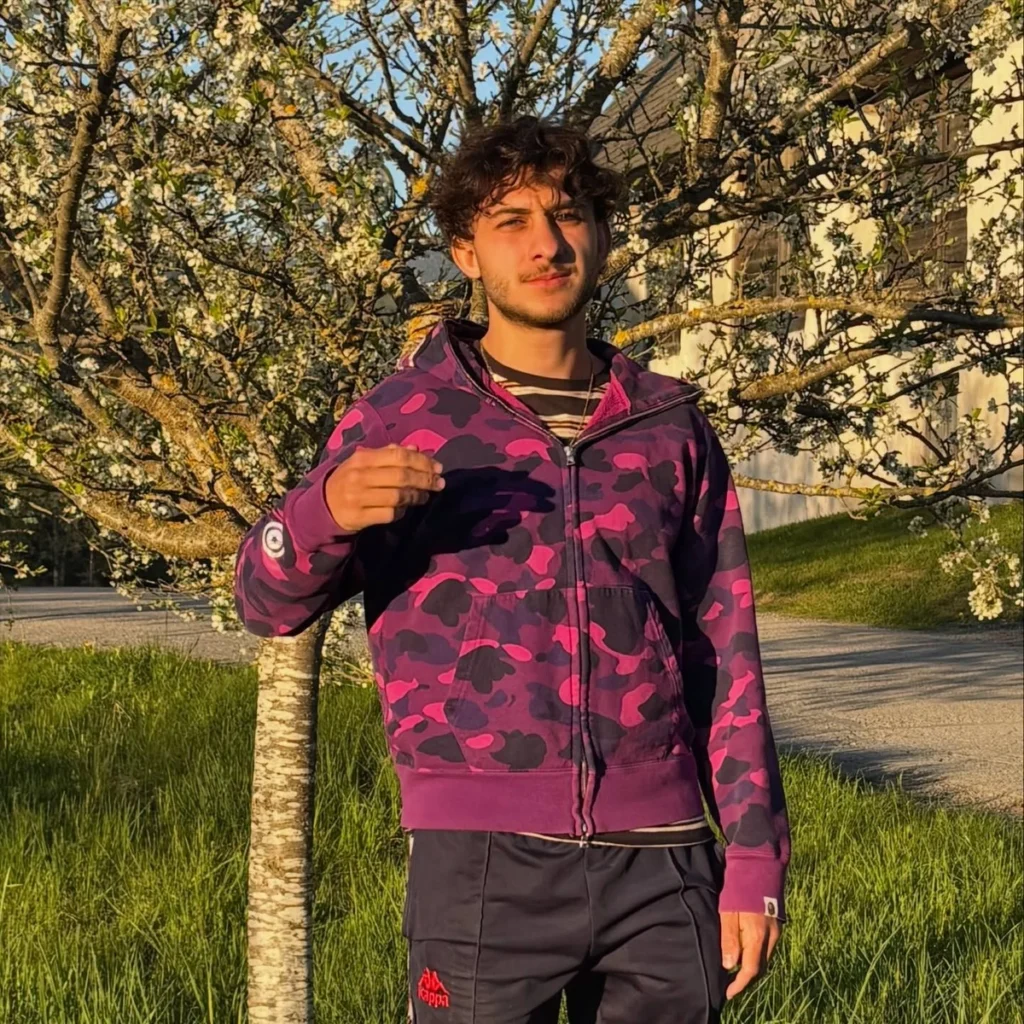
Gio 22/6 is a producer first. He makes R&B and hip-hop beats built on soft, dreamy sounds. By his own account, he has spent more than five years refining that style. On Instagram he sums himself up in one line, as a producer here to save you. The same phrase appears in his own biography.
The singing and rapping usually come from other people. Since 2023 he has released English-language songs with international artists, frequently working with rappers and singers from the United States. His debut mixtape, 21, arrived in 2024. He has described it as a personal project that helped him look back on his childhood and teenage years while defining his sound.
The album Mirrors followed in June 2025. It runs ten tracks, including three short skits: Mirrors, Let me be me and The past. The guest list included BIGBABYGUCCI, 4TYDAN, Surf, Luxxisdead, ayglø, LOVE6 and Roam, and Had enough alone carried three of them. His releases carry the Mariahilf Records name.
The Monthly Run
Then the pace changed. In 2026 the singles started arriving roughly once a month. Bad Habit with Ty Lab came in March and New Life with Ty Lab in April, followed by Forever with Rado Ricky in May. After that came Risky with Kale Joseph, Lyfe Harris and Ty Lab in June, and Lifestyle with Ty Lab and sindr in July. Then Late night drive with Rado Ricky and Ty Lab arrived in August, and Overthinking with Ty Lab in September. In other words, a small circle of collaborators keeps returning. Ty Lab appears on six of the seven singles, and Forever is the only one without Ty Lab. The run also has a destination. When Risky came out, Gio 22/6 announced it as the first single from an EP due between September and October, and he later called Overthinking the last single before it.
The post he wrote for Forever explains the moment behind it. About half a year had passed since he and Rado Ricky made Sins, and the response to that song was the reason they returned for another. He also described the weeks around the release as a point where he realised he liked his life as it was, yet still wanted to change it, and for the first time out of inspiration rather than fear.

On Forever, Gio 22/6 Pairs Rado Ricky With a 130 BPM Hi-Hat Pattern and a Half-Time Snare
Measured from its Spotify preview, Forever sets its hi-hats at about 130 beats per minute while the snare falls at half that speed. As a result, the track feels relaxed even though the top of the beat keeps moving. That split is a common way to make an R&B beat breathe. It also suits the soft, dreamy production Gio 22/6 is known for. At two minutes and 14 seconds, the song says what it has to say and stops.
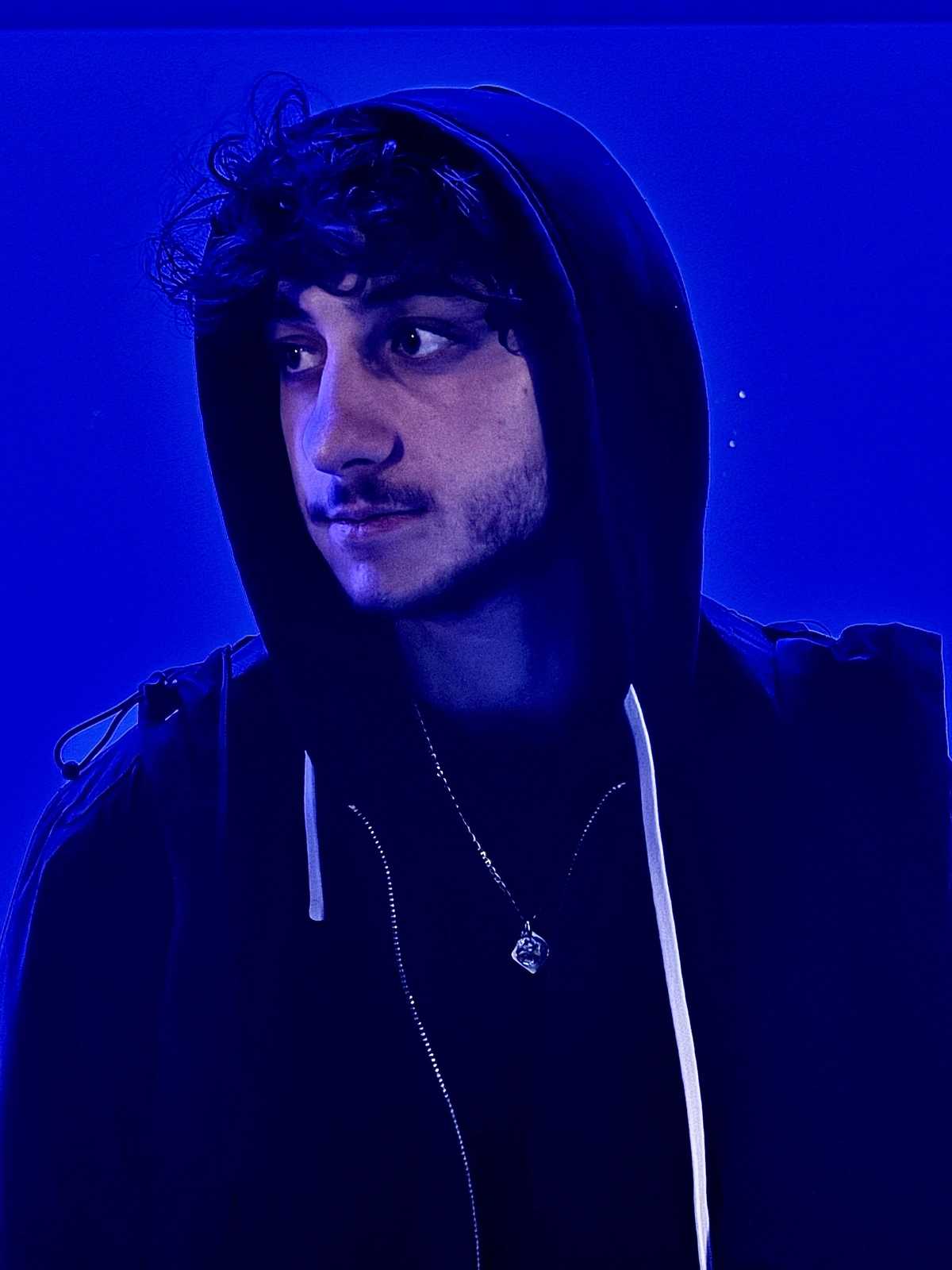
Rado Ricky arrives with a catalogue of solo songs, among them Lonely In LA, Hollywood Baby and Cumbia In A Defender. The partnership did not end with Forever either. Rado Ricky returned in August for Late night drive, this time alongside Ty Lab.

What Forever Answers About Keeping a Producer’s Sound When the Voice Changes Every Single
So what does Forever answer? In Gio 22/6’s own framing, the song is about being brave enough to face your demons to get what you truly want. The beat makes the same argument in its own way: the hi-hats push forward while the snare refuses to hurry, and the tension between them never quite resolves.
There is a second answer too, to the question every producer-led project faces: how do you sound like yourself when someone else is at the microphone? His answer is consistency underneath the voice. The drums, the soft textures and the short runtime stay recognisable from single to single. Meanwhile, the collaborators rotate within a small, trusted circle, which keeps the record fresh without losing the producer.
For Listeners Who Follow Kaytranada and Metro Boomin
That model has famous precedents. Kaytranada, the Haitian-Canadian producer, built his debut album 99.9% in 2016 around guests such as Anderson .Paak, Syd and Craig David. Even so, the record still sounded like him. Similarly, Metro Boomin put his own name on the cover of his debut solo album, Not All Heroes Wear Capes, in 2018. The voices changed from track to track, but the production held it together. Gio 22/6 works on a smaller scale and in a softer register. Even so, listeners who follow either producer will recognise the approach.
From the NewMusic.News Curator Team: “Forever is a short song with a patient beat. Gio 22/6 lets the hi-hats hurry while the snare takes its time, and that tension is what gives the whole record room to breathe.”
Where to Hear Gio 22/6, Rado Ricky and Forever
Stream Forever on Spotify and follow Gio 22/6 on Spotify, where the rest of his 2026 singles sit alongside Mirrors and 21. The follow-up with Rado Ricky, Late night drive, is on Spotify as well. Follow Gio 22/6 on Instagram for new beats and releases.