
An Experimental Alt-Pop Single Built From Stream of Consciousness and Protective Metaphor
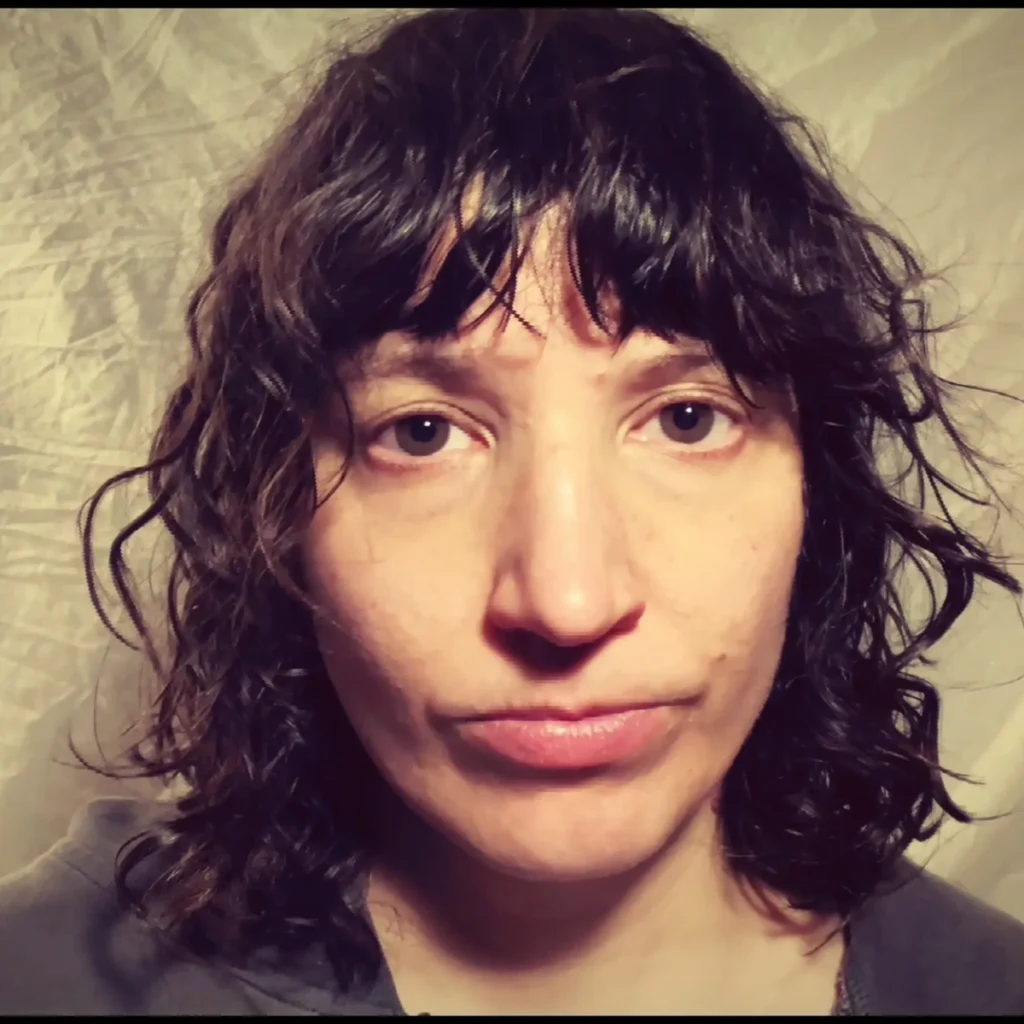
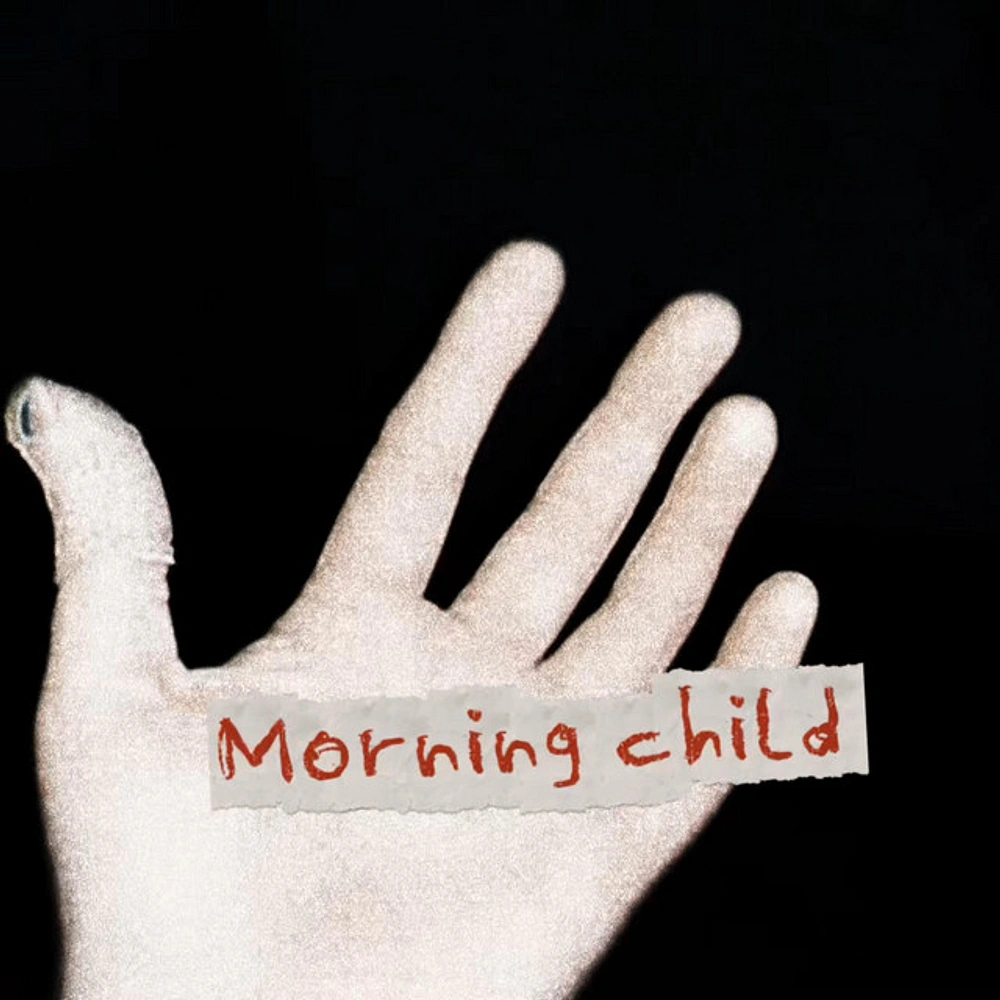
Samantha Josephine records in her apartment, yet Morning Child still took her a long time to finish. Released on 1 September 2026, the experimental alt-pop single is, in her own estimation, the most complicated song she has made. At nearly six minutes it is also her longest, and she played every instrument on it.
Samantha Josephine’s music sits in the playlist below, with this desk’s art-pop and singer-songwriter picks. Morning Child reached NewMusic.News through PopHits.Co Music Charts, which verifies independent artists and places their releases across its network of music news titles. Listen to it first, then read on.

From Sixty Self-Made Songs to Morning Child, the Most Complicated Piece Samantha Josephine Has Made
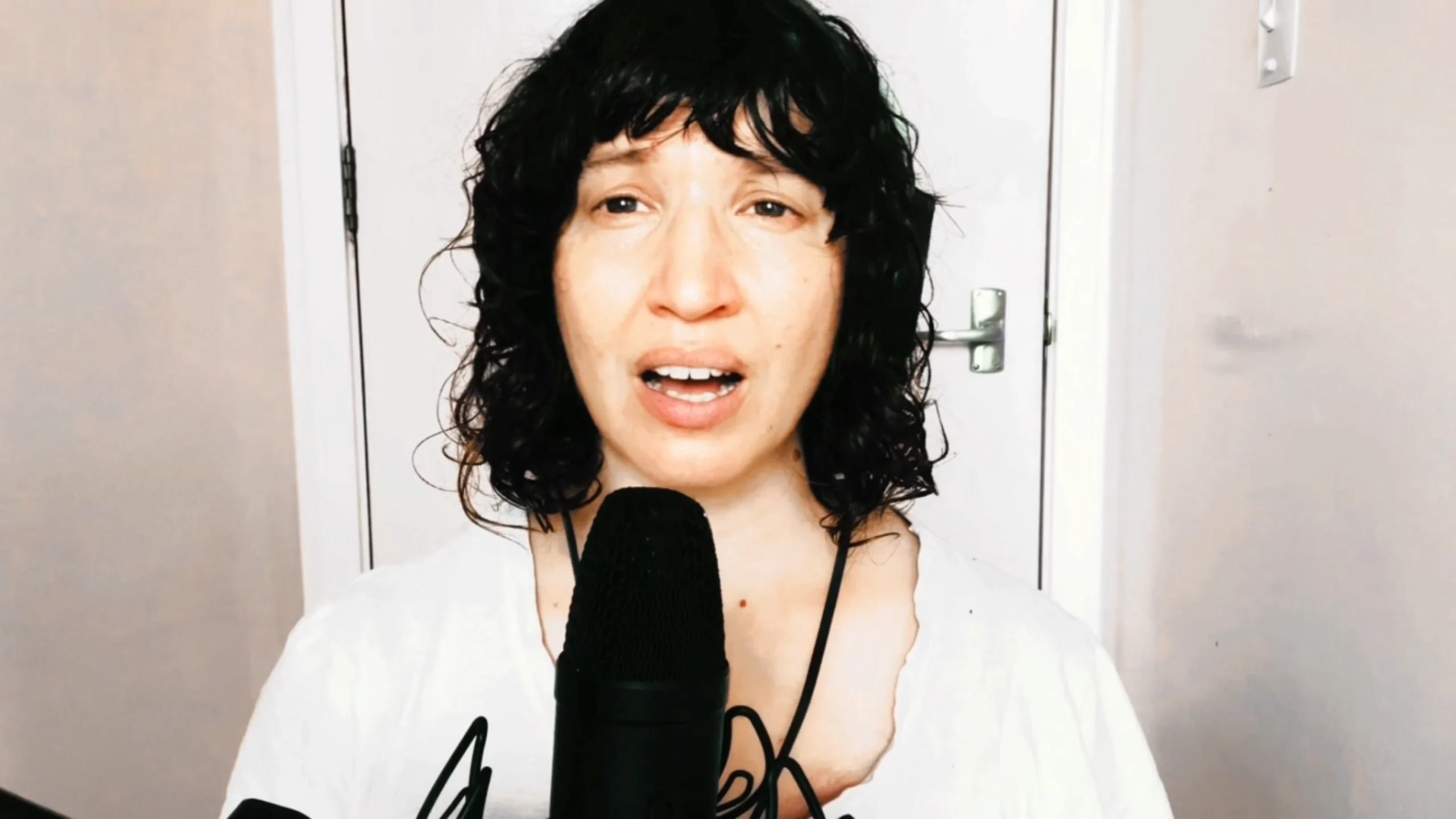
Josephine estimates she has written and released around sixty songs since 2020. For most of that time, she has not been well enough to promote them. She lives with a dissociative disorder and post-traumatic stress, and she does not play live. Instead, her songs have reached people through music videos she makes herself, which is how her audience has grown.
That context matters, because it changes how to hear the record. Josephine writes in a stream-of-consciousness state. She does not plan where a song is going; she tries to get out of the way and find what is already there. As a result, she says, her lyrics can feel like interpreting a dream. Afterwards she does the rest alone, from the production to the mix and the master, and she has kept refining that process with each release.
Her catalogue already includes releases such as Hell Play, My Antechamber, How to Be in Love, Falling Troubles and the album Despair & Love. However, Morning Child sits apart from them in scale, and Josephine has said it took her a long while to get it feeling done.

Four Scenes, Protective Metaphors and the Lyrics That Keep Hard Memories at a Safe Distance
Muzic.NZ covered the single the day after it came out. It heard soft vocals, minimalist piano and wavering drums. It also described lyrical impressionism used to explore trauma, dissociation and the safety found in the natural world. The same outlet noted that her previous single, How to Be in Love, reached number five on the Radioscope Alt Airplay chart.
The song does not follow a verse and chorus. Instead, it moves through four separate scenes, close to a play, and each section feels like its own place. That structure gives the listener a way through. Rather than one repeated hook, there is a sequence of settings, and each one changes the light on what came before.
The lyrics work the same way. Josephine uses protective euphemisms to soften experiences that would otherwise be jarring and frightening to describe. The word awkward recurs as a stand-in for flashbacks and repeated abandonment. Meanwhile, the phrase water in the stare describes the unsettling feeling of derealisation. Read together, the lyrics form a map of survival. Their language keeps the listener, and the writer, at a safe distance.

What Morning Child Answers About Sharing Hard Things When a Stage Is Not an Option
That is what Morning Child answers. It shows one way to put hard material into a song without turning it into spectacle. It also shows one way to share music when a stage is not an option. The official video, made by Josephine and posted alongside the release, carries the song to people who would otherwise hear it live.
So who is it for? Listeners who come to experimental pop for honesty rather than polish will find the most here, and so will curators building playlists of lyric-driven indie music. It also suits anyone who has wanted a song that names something difficult without spelling it out. Above all, it rewards anyone happy to sit with a track for six minutes.
Josephine names her own touchstones, and two of them make useful doors in. Fans of Daniel Johnston, whose early albums such as Hi, How Are You were recorded alone on cassette, will recognise songs made at home and released without a filter. Fans of Cat Power will hear a similar patience; Colors and the Kids, the one piano-driven song on Moon Pix, kept the voice close and gave it room, much as the sparse piano does here. Kimya Dawson, PJ Harvey and the Velvet Underground complete her list.
NewMusic.News curator team: “Six minutes is a long time to hold a listener without a chorus. Morning Child manages it by changing scene instead of repeating itself, so each section arrives like a new room in the same house.”
Where to Watch and Stream Samantha Josephine Morning Child, and Follow Her Music Videos
Watch the official video in the player above, then stream the single on Spotify, Apple Music or Bandcamp.
Follow Samantha Josephine across platforms: Spotify artist profile, Apple Music artist page, Deezer, YouTube, Instagram, TikTok and Facebook. Every link also lives on her Linktree.










About The Author

More From NewMusic.News
-
Razed by Rebels Built Broken Paradigm Around One Question: What Does Standing by Your Convictions Cost?
-
Phil Lentz Presents…: The Long Way From a College Song to a First Album
-
Markus Nokio on Film Scoring, Spoken Word and the Making of Written in the Dust
-
Five Seconds Into the New Year, Michael Stipe’s Solo Debut Begins
-
The Long Way to ATE: Kick 5000 and a Club-Tempo Story for Lyric-First Listeners