
Year: 2026

Inside Husk: How Scarecrowz Built a Self-Produced Hard Rock Album in Their 25th Year

Four Ottawa Musicians Produced Ten Tracks Themselves and Gave the Band’s Name Its Own Imagery

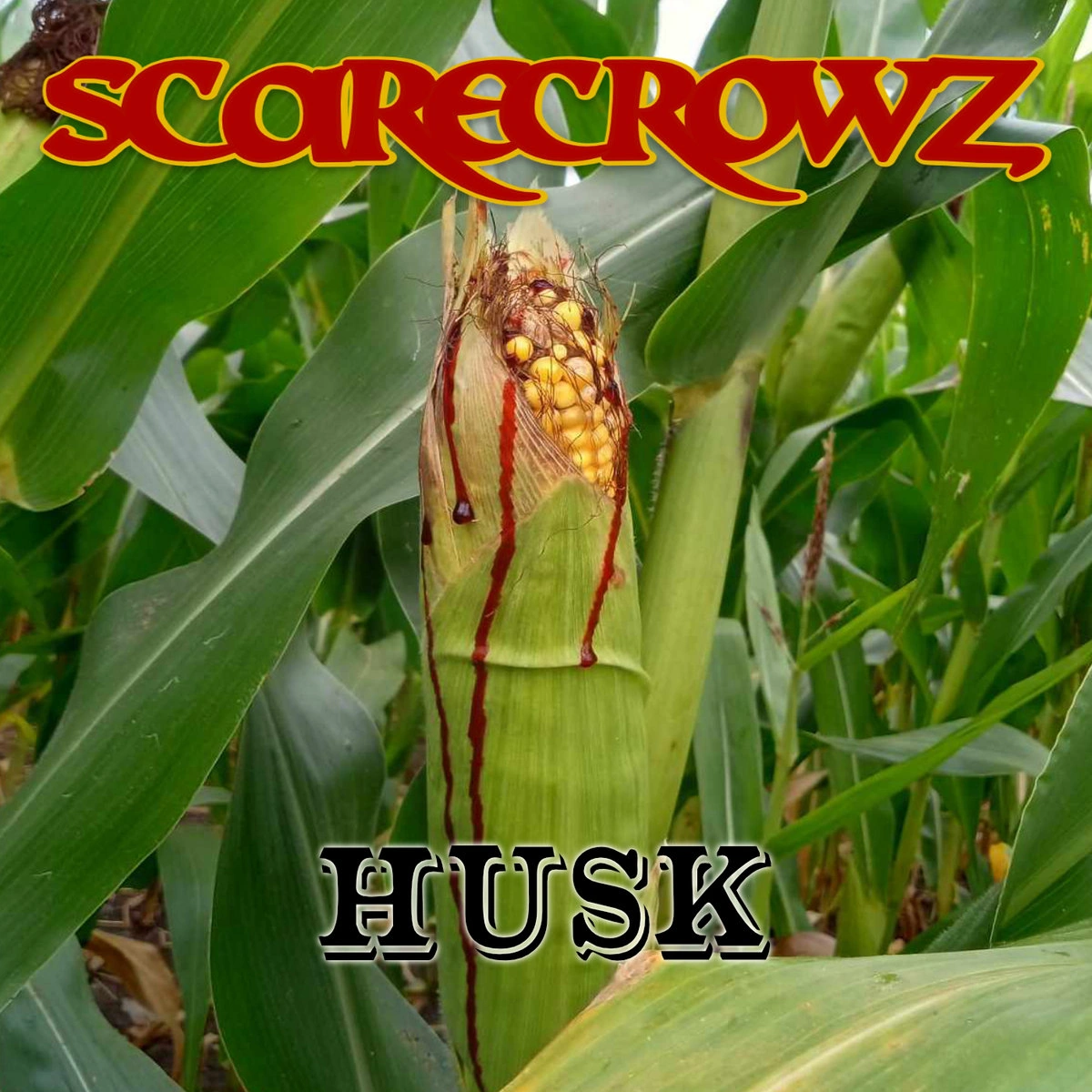
The credits on Husk by Scarecrowz read like a band that decided to do almost everything itself. The Ottawa four-piece produced this ten-track hard rock and heavy metal album alone, and three of its musicians shared the engineering. Only the mix and master went to an outside hand, Rohan Despande. The record then came out on 6 June 2025.

Scarecrowz open Husk with Clutter, the track now in the playlist below. The band’s full run of coverage sits on the Scarecrowz artist profile. The album came to NewMusic.News through PopHits.Co Music Charts, which verifies independent artists and places their releases across its network of music news desks. Give it a spin before reading on about the four players who produced it themselves.

Inside Husk: How Scarecrowz Built a Self-Produced Hard Rock Album in Their 25th Year

Scarecrowz Formed in Ottawa in 2000 and Marked Their 25th Year by Producing Husk Themselves

Scarecrowz formed in Ottawa in 2000, so 2025 was the band’s twenty-fifth year. Plenty of groups mark a milestone like that with a compilation or a reunion show. Scarecrowz, by contrast, marked it by writing and recording ten new songs.

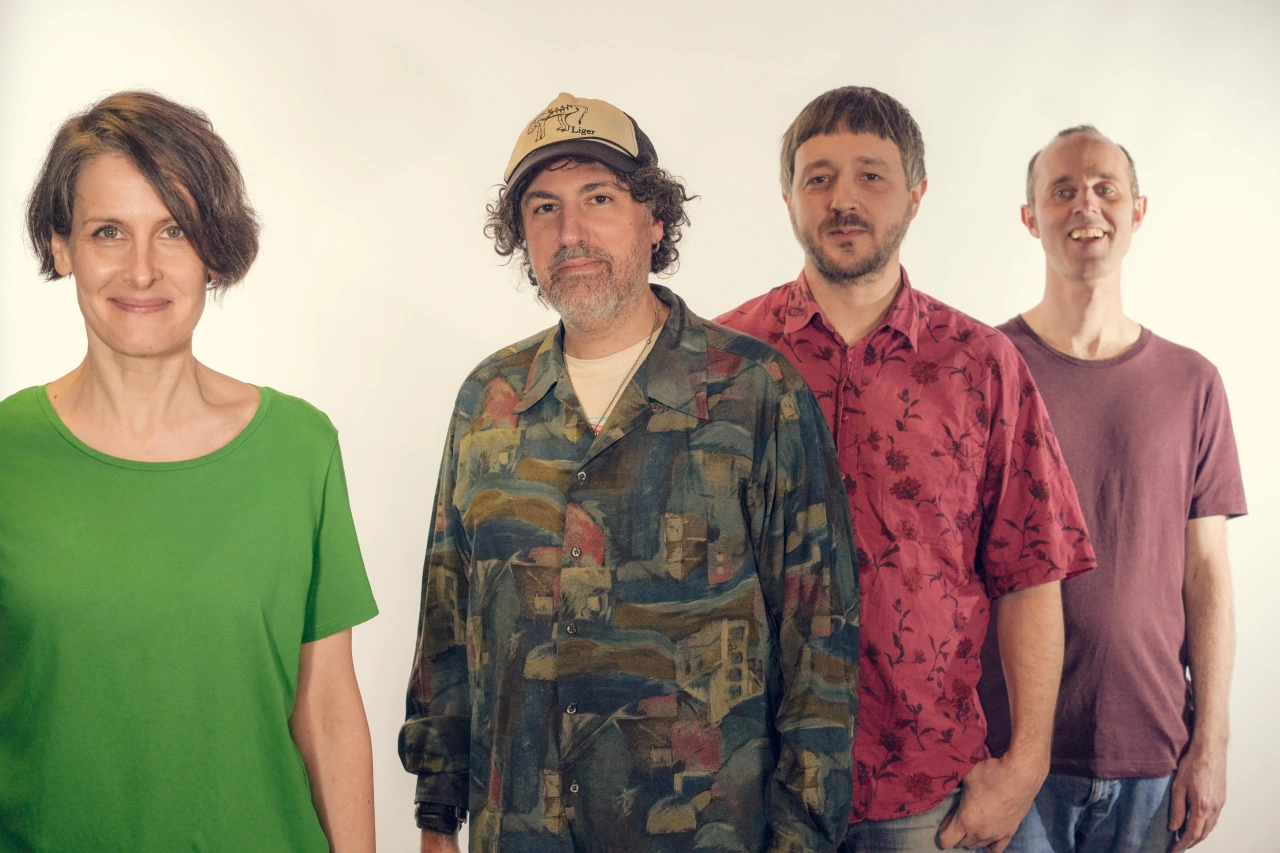
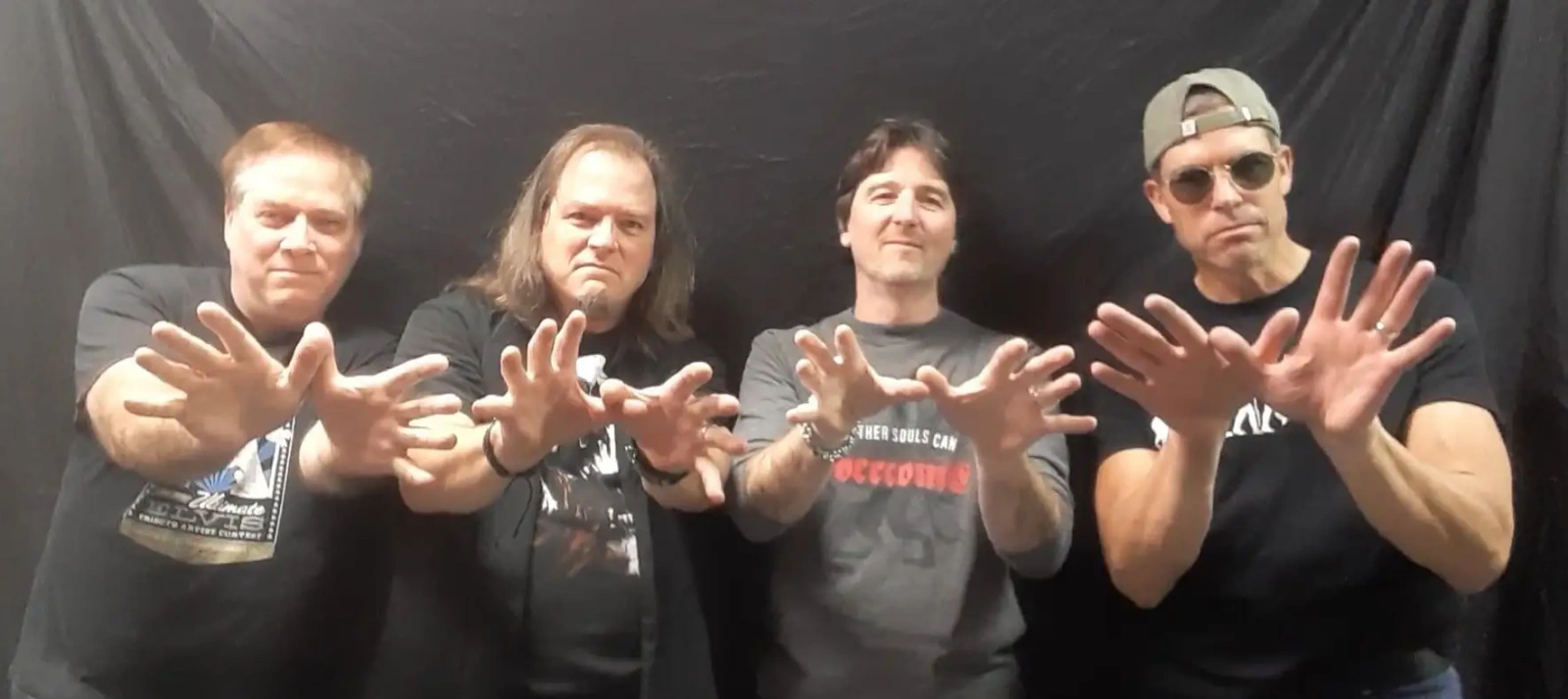
The line-up on Husk is a four-piece. Ger Madden sings lead and backing vocals and plays rhythm guitar. Reno D’Santie handles lead and rhythm guitars, on electric and acoustic. Meanwhile, Trevor St. Peter plays bass, and Aansen Harrison covers drums and percussion. In addition, Zac Bryan steps in on bass for one track, Degeneration, and its official lyric video is on YouTube.

The engineering stayed inside that circle too. D’Santie, St. Peter and Bryan engineered the sessions, and the band took the producer’s credit as a group. As a result, the decisions on Husk belong to the people who play it, from the guitar sounds to the running order.

Even the packaging followed the same instinct. The photography credit goes to Madden, with artwork by Rachael Chandler of Artistik Vibe. It is a small detail. Still, it sums up the whole record, which stayed close to home with the people who know the songs best.

Madden is also the last founding member still in the band. A year after Husk came out, he told the whole story on Episode 127 of the All About M.E. Podcast. He covered how Scarecrowz first came together, and how the band kept going through every line-up change since.

Ten Tracks Run From the Opening Riff of Clutter to the Closing Pull of Dark

Husk runs for just under forty-six minutes. It opens with Clutter, a song about throwing out whatever is weighing you down. It then closes with Dark, which is about reaching for a way out when you cannot see one. In between, the songs range further than a quick listen might suggest.

For example, The Scythe tells a battle story set during the Crusades, with riders, steel and a long view of who fought and why. Khildren Of The Corn, meanwhile, turns a horror-film pun into something more reflective. It is about leaving the fields of your youth for a better life, and wondering what you gave up on the way. At almost six minutes, You’re Not Leaving Alive is the longest track.

The titles also do something the band’s name always invited. A husk, a scythe and a field of corn all belong to a scarecrow’s world. Husk leans into that imagery without turning it into a gimmick. On Bandcamp, Scarecrowz files the record under hard rock, heavy metal, metal, garage rock and Ottawa. That is a fair map of where it lives.

Inside Husk: How Scarecrowz Built a Self-Produced Hard Rock Album in Their 25th Year

What a Self-Produced 25th-Year Album Answers About Scarecrowz, From Black Sabbath to Motörhead

Every long-running band eventually faces a question: is there still something new to say, or only something to repeat? Husk answers with ten new songs, a fresh set of images and a production made entirely on the band’s own terms.

Two reference points help place the sound for new listeners. First, Black Sabbath set the template for slow, heavy riffing on their first album in 1970. The darker, weightier moments on Husk sit in that tradition. Second, Motörhead added speed and a rough, garage-style edge from the mid-1970s. That is the energy the faster tracks on Husk draw on.

Scarecrowz moves between those two poles across the record. In the end, that range is the clearest sign that a twenty-fifth year can be a working year rather than a commemorative one.

Who Should Hear Husk by Scarecrowz, and Where to Follow the Band

Husk suits listeners who like their hard rock and heavy metal raw rather than polished. It also suits anyone curious about how a veteran band sounds when nobody else is steering the sessions.

From the NewMusic.News curator team: “Producing Husk themselves gave Scarecrowz a record that sounds like a band in a room. The riffs on Clutter and the slower weight of Dark carry the same rough edge. That consistency comes from four players making every call together.”

Stream Husk on Apple Music or buy it on Bandcamp. After that, explore the earlier catalogue on Spotify and Bandcamp.

Follow Scarecrowz on Spotify, Apple Music, SoundCloud, the YouTube channel, Instagram, TikTok, X, Facebook and Linktree, and visit the official website.



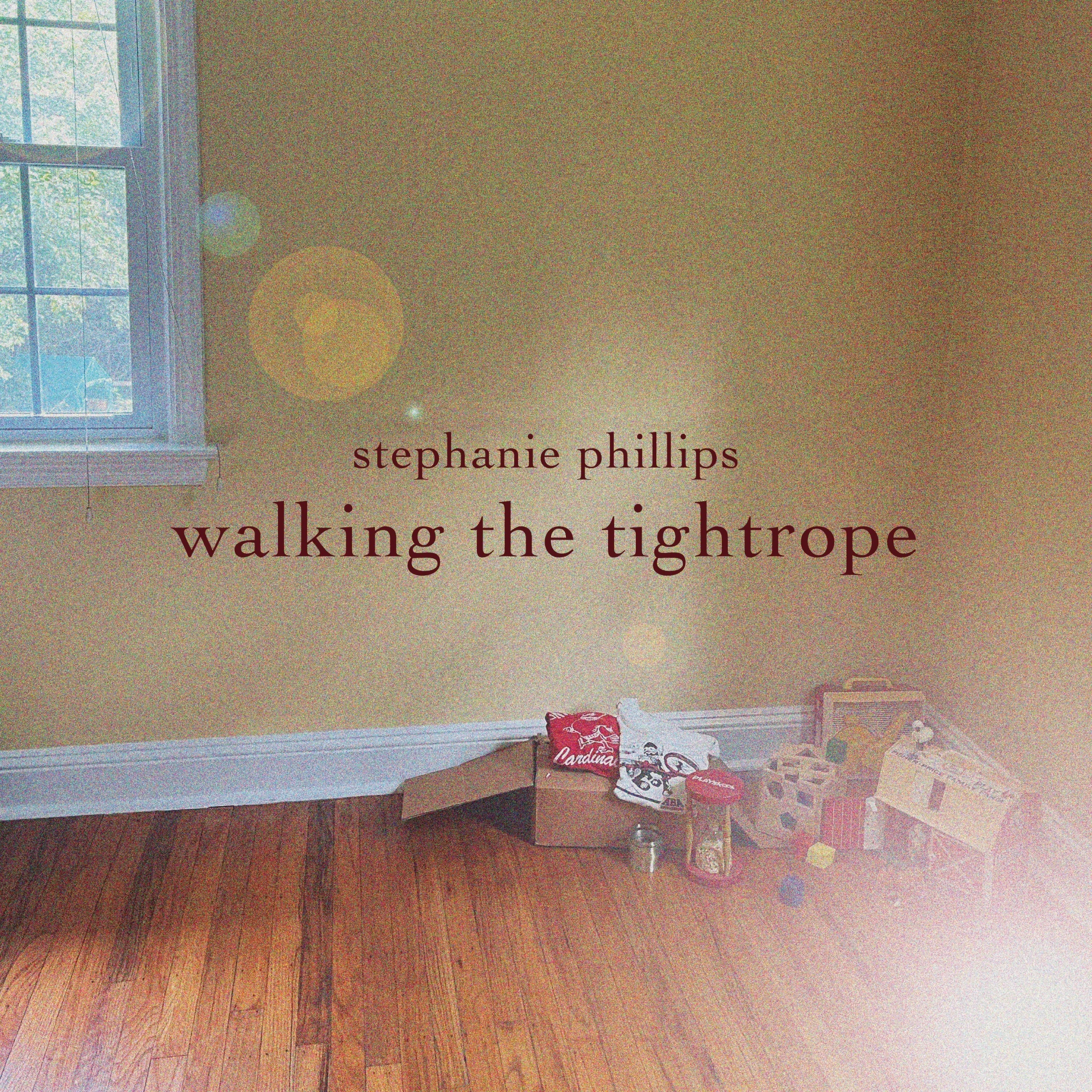
Inside Walking the Tightrope: How Stephanie Phillips Built a Folk Album Between Grief and Joy

A West Chester Songwriter’s Seventh Album Holds a Brother’s Loss and a Wedding Together

Two days before his 52nd birthday, Stephanie Phillips lost her younger brother. A month later, she married her second husband. She wrote and recorded much of Walking the Tightrope, her seventh album, in the shadow of that year of grief and joy. The album came out on 28 August 2026, and its title track is where the two feelings meet.

Stephanie Phillips’ Walking the Tightrope sits in the folk playlist below, among the contemporary and chamber folk this desk follows. Her coverage across the network is gathered on her artist profile. The album reached us through PopHits.Co Music Charts, which verifies independent artists and places their releases across its network of music news desks. Press play on the title track, then read on for the story of how the record came together.


Inside Walking the Tightrope: How Stephanie Phillips Built a Folk Album Between Grief and Joy

A Brother’s Death and a Second Wedding Within a Month Shaped the Folk Songs on Walking the Tightrope

Phillips has described that stretch as a time of low lows and high highs. In an interview with Rising Artists, she explained that she wrote the title track to help her process the upheaval. She also said she leaned into every feeling to finish writing the album. Her own site puts it plainly: much of the record came out of an emotionally tumultuous year, and that backdrop of grief and joy runs through many of the songs.

The title track names the feeling directly. One line moves from weeping in a loved one’s arms to holding a wedding bouquet, and Phillips has said that it sums up her year. Similarly, SameWay Magazine heard a song from a complicated time, when grief and love lived side by side, written over a year and a half of upheaval.

A Click Track and a Drummer’s Tension

The recording came some time after the writing, so Phillips wanted the takes to carry the feeling she had when the songs were new. For the title track, she decided to record to a click track, which is not her usual practice. That way, she could lean into the emotion without worrying about the rhythm. She credits her drummer with building his own tension into the song, and her recording engineer with a good ear.

She has also been candid about her voice. In the same interview, she said it has grown richer over the years. In addition, she felt the key she wrote the song in sits in a sweet spot for her.

Drums, Cello and Keyboards Widen Stephanie Phillips’ Acoustic Folk Sound on Walking the Tightrope

Walking the Tightrope runs to 12 tracks, from Try As We Might to Study in Opposites. Her guitar, melodies and lyrics remain at the centre. This time, however, she built drums, cello and keyboards around them, and her site describes the result as a fullness of sound that reflects how her style has grown. Notably, the second track, My Brother’s Shoes, sits directly before the title track in the running order.

The album is folk in the singer-songwriter sense: acoustic at its core, with alt-folk and folk-pop touches. Phillips has been singing, playing guitar and writing since an early age. According to her site, she has also performed across the United States, including clubs in New York City. At home in West Chester, Pennsylvania, she scheduled her album release concert at Uptown for 30 September.

Seven Albums Across 23 Years

Her catalogue on Spotify runs back to Home in 2003. True to My Soul followed in 2013, and since 2020 she has kept a steady pace, from What Have I Lost? through Carousel of Hope, Retrospective and Certainly Love to this record. Before the full album arrived, two of its songs, Receive and Study in Opposites, came out as singles in May and June 2026.

Inside Walking the Tightrope: How Stephanie Phillips Built a Folk Album Between Grief and Joy

What Walking the Tightrope Answers About Holding Grief and Joy at the Same Time

The question at the heart of the record is how to hold two opposite feelings at once. The closing track’s title, Study in Opposites, says as much, and the album never asks the listener to choose between the grief and the joy. In that sense, the title is exact: walking a tightrope means keeping your balance while both sides pull.

Three days before the album arrived, Phillips also released a new protest single, How Tall Did You Stand?. Meanwhile, she is already writing her next record.

Where Walking the Tightrope Sits

Listeners who know Patty Griffin will find a familiar shape. Griffin recorded her seventh album, American Kid from 2013, as a tribute to her late father, and Walking the Tightrope is likewise a seventh album shaped by a family loss. By contrast, Joni Mitchell set personal upheaval against sparse acoustic backing on Blue in 1971. Phillips takes the opposite route, building a fuller band around her guitar.

Who the Album Is For and Where to Follow Stephanie Phillips Online

This is an album for listeners who come to folk music for honest songwriting. It also speaks to anyone who has had to grieve and celebrate in the same season. Fans of acoustic singer-songwriters who like their records warm, plain and unhurried will feel at home here too.

NewMusic.News curator team: “Walking the Tightrope lets grief and joy share the same songs without making either one smaller. Recording the title track to a click, against her usual habit, is a small technical choice that keeps the feeling at the front of the mix.”

Stream the album on Spotify or Apple Music.

Listen to Stephanie Phillips on Spotify, Apple Music and Amazon Music, and watch on her YouTube channel. Follow her on Instagram and Facebook, and find the CD, downloads and tour news on the official site.


Inside Into The Night: How Seadog Built a Haunted Dream Pop Single in Brighton

The Brighton Duo Return with a Third Single Since Internal Noise, Produced by Michelle Hindriks

The new Seadog single was finished in two rooms on the south coast. Michelle Hindriks, of the Brighton band Ciel, produced and mixed Into The Night at 17B Studios in Brighton. Engineer Paul Pascoe then mastered it at Church Road Studios in Hove. Released on 28 August 2026, it finds Seadog making dream pop about isolation and anxiety, built around the ghosts we carry long after the lights go out. It is the latest step in a quiet, steady run.

Seadog are in the playlist below with Into The Night, among the art pop and singer-songwriter picks, and the duo’s full run of coverage sits on the Seadog profile. The single reached this desk through PopHits.Co Music Charts, which verifies independent artists and places their releases across its network of music news sites. Start it playing and keep reading for the story behind it.


Inside Into The Night: How Seadog Built a Haunted Dream Pop Single in Brighton

The Run of Dream Pop Singles That Brought Seadog From Internal Noise to Into The Night

Seadog is the Brighton project of Mark Benton and Tom Chadd, and their records have always taken their time. Their debut album, Cabin Fever Blues, arrived in 2018. The engineer Phill Brown, whose credits include Talk Talk, Led Zeppelin and The Rolling Stones, added production. The second, Internal Noise, began in the stillness of the 2020 lockdown. It came to full life at Bella Union’s studio in Brighton in 2024, with Jack Wolter of Penelope Isles producing and playing drums, guitars and backing vocals. His sister and bandmate Lily Wolter added guest vocals.

Crucially, that record found listeners. Writing for Obscure Sound in May 2024, Mike Mineo described an eclectic, melodic set. In his account it ran from the twangy rock haze of Old Joe to the synth-forward experiments of Analysis Paralysis, and the Wolters’ harmonies lifted Tied To A Mast. The album also earned airtime on BBC 6 Music and Amazing Radio. Its opening track, Tidal Wave, was selected for Tom Robinson’s BBC Introducing Mixtape on 6 Music and featured on Lauren Laverne’s 6 Music Recommends show.

How Michelle Hindriks Shaped the New Run at 17B Studios

Since then, the band have chosen singles over a quick third album. At War (With Everything) arrived in August 2025 and was previewed on John Kennedy’s X-Posure show on Radio X. Against The Grain followed in March 2026, and Into The Night is the third release since Internal Noise.

Above all, the biggest change is the room. For this run, the band have been working with Michelle Hindriks at her own 17B Studios. She produced and mixed At War (With Everything) there before taking on Into The Night. For the mastering, meanwhile, the band returned to Paul Pascoe, who also mastered Internal Noise, at Church Road Studios in Hove.

That continuity matters for a song like this one. A track built on creeping unease depends on small production choices. For example, how much space sits around the voice, how far the synths are allowed to drift and how close the guitars sit to the front of the mix. Working with the same producer across a run of singles gives those choices a consistent hand.

Watch the video and check the artist’s YouTube channel for more.

Inside Into The Night: How Seadog Built a Haunted Dream Pop Single in Brighton

What Into The Night Answers About Isolation, Anxiety and the Ghosts That Stay After Dark

The subject is clear from the band’s own description: isolation, anxiety and a sense of creeping unease, the kind that stays after the lights go out. It is also a thread that runs back through their catalogue. When Obscure Sound reviewed Tidal Wave, the line it picked out was “Anxiety sets in”. Into The Night takes that idea and lets it fill a whole song.

The band describe their music as songs that drift between lullaby and anthem, and that tension suits the material. A lullaby is meant to settle a restless mind, so a song about night-time anxiety turns the idea around. In that sense, the single answers a simple question about where Seadog go after Internal Noise: further inward, with the same patience.

Their peers have also noticed the run. Simon Raymonde of Cocteau Twins and Bella Union put it this way: “Seadog have been quietly working their way into our hearts through a consistent run of tracks released over the last few years.”

Where to Hear the Seadog Dream Pop Single and Follow the Band Online

The band’s own reference points help place the sound. They name Grandaddy, The Flaming Lips, The Beta Band, Stereolab, Broadcast and Elliott Smith, and the combination makes sense. Grandaddy’s mix of synths and guitars sits close to Seadog’s. Broadcast’s haunted, reverb-heavy pop, by contrast, gives a sense of the mood Into The Night is reaching for. Earlier in the run, the French site Iggy Magazine picked up the 2022 single Here Nor There and praised its melodies and production.

The single is for listeners who appreciate the textures and dynamic range of alt rock pop, alternative rock and art rock. It also suits anyone who likes their dream pop with a shadow running through it. The band’s next show is at The Prince Albert in Brighton on 10 November.

From the NewMusic.News curator team: “Play Into The Night straight after Tidal Wave. The anxiety the band named on that earlier single becomes the whole subject here, and hearing the two together shows how far the Hindriks sessions have taken the sound.”

Follow Seadog on Spotify, Apple Music, Bandcamp and SoundCloud. For videos and news, the band are on the YouTube channel, Instagram, TikTok, Facebook and X, with more on the official site.


Inside On y va: How Hub30 Built a Feel-Good Song From Reggae, House and a Bordeaux Lake

A Solo French Songwriter Wrote a Song About Moving Forward Together, and Made It Alone

Hub30 writes beside a coastal lake near Bordeaux, and the light on that water is where On y va begins. Released on 31 October 2025, the French single sets a reggae groove and a quiet house pulse under a pop melody. Its title, French for let’s go, is an invitation the whole song keeps repeating.

Hub30 is in the playlist below with On y va, a feel-good French single built on reggae and house, and his artist profile lists the rest of his coverage. The song reached this desk through PopHits.Co Music Charts, the programme that verifies independent artists and places their releases across its network of music news desks. Press play first, then read on for the lake behind it.


Inside On y va: How Hub30 Built a Feel-Good Song From Reggae, House and a Bordeaux Lake

Hub30 Writes Beside a Sea Lake Near Bordeaux, and Its Changing Light Runs Through On y va

The scene is worth holding on to. Qobuz picked Hub30 as one of ten French chanson artists to follow in 2026. In that piece, it placed him by a sea lake near Bordeaux, drawing on the changing light and the softness of the water. Beside it, the magazine wrote, he makes utopian songs in which he dreams of people uniting and of air that is easier to breathe.

The magazine even compared the project to Henri Matisse’s Open Window, Collioure, a painting that carries strong feeling through pure colour. The comparison suits the record, since On y va also works with a few clear colours: a pop melody, a reggae groove and a house pulse.

A Solitary Songwriter From Bordeaux Builds French Pop Around the Idea of a Crowd Moving Together

Hub30 is the project of Hubert Trentesaux, and he works alone. Extravafrench, the French music site, reviewed the single in December 2025. It called him a solitary figure from Bordeaux with a universal dream. It also heard his synths as if they had been rinsed by the Atlantic wind. In its words, he makes pop the way you open a window: to let the salt air in.

That is the contradiction at the heart of the record, and it is a good one. One person, writing by the water, makes a song whose whole subject is a crowd moving in the same direction. His own description of the track says it plainly: a mellow groove and a chorus that brings people together.

The French roots matter too. According to Qobuz, Hub30’s music starts in French songwriting and then takes regular detours into house and reggae. Even so, it never loses its feel for a simple, catchy melody. In fact, the magazine pointed to the offbeat On y va as proof of that balance.

Meanwhile, the lake was in the songs long before the press noticed it. Près du lac came out in December 2023, and Living by the Lake followed in February 2024.

Inside On y va: How Hub30 Built a Feel-Good Song From Reggae, House and a Bordeaux Lake

On y va Answers a Tired, Anxious World With a Mellow Groove and a Chorus Built to Gather People

The release itself is short and bright. On y va runs two minutes and fifty-two seconds, moving between pop softness, a reggae groove and a house pulse. Extravafrench heard the reggae touches as a nod to Bob Marley, a figure of peace and bright defiance. Then, it wrote, a discreet house beat turns the song into a place to gather, somewhere people dance to survive, or to love better.

The lyric stays direct on purpose. Extravafrench praised the catchy melodies and plain words. It also argued that this kind of clarity takes real precision rather than less effort. Beyond that, it heard the shadow of the Beatles, and of John Lennon above all, in the way the song reaches for utopia without sounding naive. That is the line Lennon walked on Imagine in 1971.

What the song answers is the mood around it. Extravafrench described On y va as a soft but determined call to catch your breath in a world saturated with anxiety. Seen that way, the title is less a slogan than an instruction: stop waiting, start walking, and do it together.

From the NewMusic.News Curator Team: “What we admire is how little the song asks of you. Two minutes and fifty-two seconds, one simple phrase, and a rhythm that does the persuading. Hub30 trusts the groove to make the case, and it does.”

Hub30 Followed On y va With Tu Déchires, and Where to Hear the French Single Now

The single also sits inside an unusually steady run of work. Hub30 has released 29 singles on Spotify since April 2023, starting with Les oiseaux migrateurs. After On y va came Tu déchires in January 2026, then Dunes in Motion, Au clair de la dune and To Do List.

The songs around it share its outlook. For example, Call Me Daddy, released in September 2025, captures the impatience and tenderness of a father-to-be. Similarly, his own site pitches Tu déchires as a song to wake up your inner strength and drive. So for listeners who like their French pop warm, unhurried and touched by reggae, On y va is the right place to start.

Stream On y va in the Spotify player above, or on Apple Music, Tidal, Amazon Music and YouTube. His 2024 song Living by the Lake is on YouTube Music, and his own Spotify playlist, Saison 1 : Hub30, gathers more of his songs.

Follow Hub30 on Spotify, Apple Music, Deezer, Tidal, SoundCloud, YouTube channel, Instagram, TikTok, Threads, X, Facebook and the official site.


Erick Castrillon on the Singularity, Generative AI and the Making of The Great Awakening

A Los Angeles Composer Recorded a Conversation Between Person and Machine in Culver City

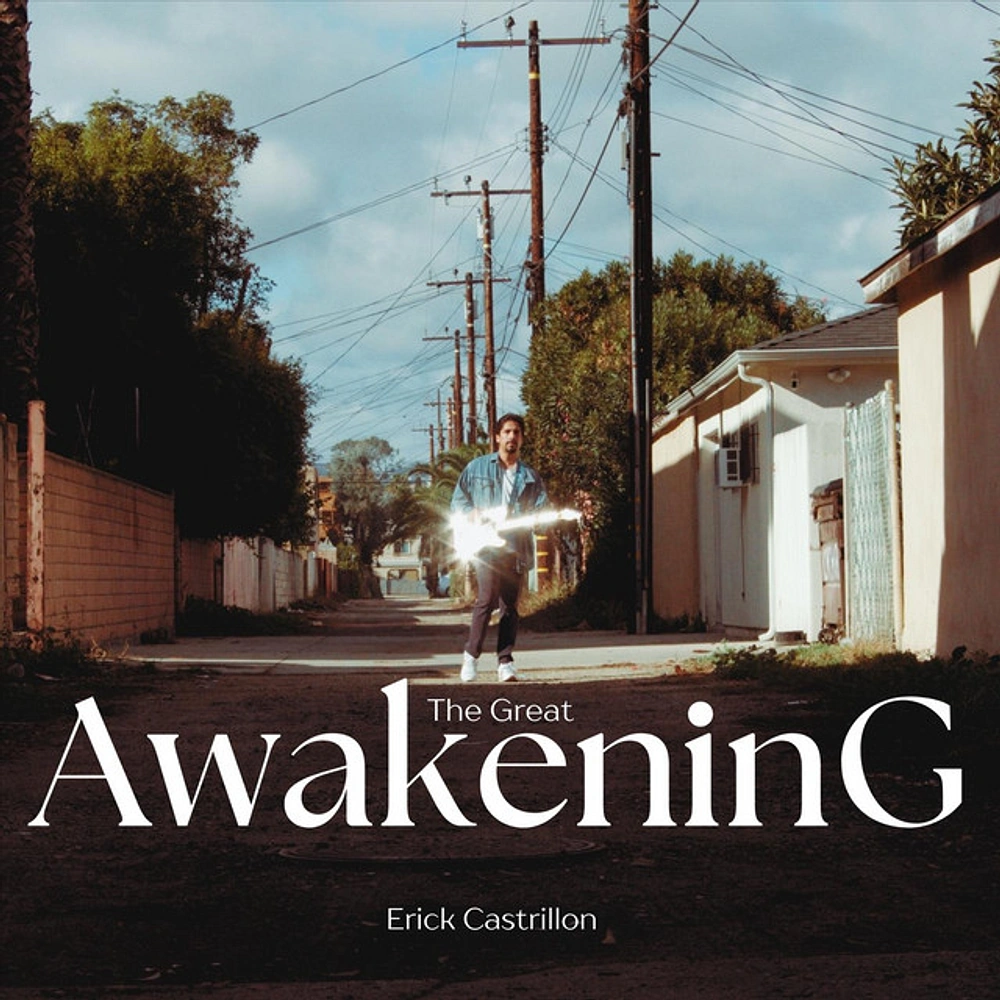
The Great Awakening sets its tone with an enigmatic guitar line, and the whole track was recorded in Culver City, California. Erick Castrillon released the single on 30 November 2023. It is a short alternative rock track that imagines the moment a machine wakes up and starts to notice the people who made it.

Erick Castrillon’s single sits in the playlist below with our art rock and alternative picks, and his full coverage history is collected on his artist profile. The Great Awakening reached this desk through PopHits.Co Music Charts, which verifies independent artists and places their releases across its network of music news desks. Press play, then read on for how the series around it took shape.


Erick Castrillon on the Singularity, Generative AI and the Making of The Great Awakening

Erick Castrillon Released The Great Awakening a Year to the Day After ChatGPT Went Public

Timing gives this record much of its weight. OpenAI opened ChatGPT to the public on 30 November 2022, and Castrillon’s single arrived on the same date a year later. By then, generative AI had moved from a curiosity to an everyday tool for millions. Even so, the song does not mention any product. Instead, it goes straight to the larger question that year kept raising: what happens when artificial intelligence becomes aware of itself.

Castrillon has been clear about that subject. In comments published by Karl Is My Unkle on release day, he described the song as being about enlightenment. He also called it the fourth part of a series on the new era of technology. In it, he writes about the singularity, the point at which artificial intelligence becomes a sentient being. He added that generative AI had brought that event closer than ever.

That framing is what makes the song a product of its moment rather than a generic science-fiction piece. After all, it was written while the conversation was live, and it treats the idea as something already under way.

Erick Castrillon Built The Great Awakening From World Instruments, Synths and Techno Beats in Culver City

The arrangement matches the subject. According to Musikepool, the track combines world instruments, synthesizers, techno beats, pop melodies, samples and experimental sounds. As a result, it unfolds like a conversation between a person and a machine. The lyric gives the machine a voice that is aware of what humans are doing. In turn, the usual fear of AI becomes something closer to a mirror.

The vocal carries much of that effect. Edgar Allan Poets singled out the effects applied to the voice, which add a layer of mystery. The same review noted that the mix keeps the vocal in front, and it heard darkwave, alternative rock and avant-garde influences meeting in one track. Meanwhile, Karl Is My Unkle described a grunge-adjacent feel under the sound design. That texture keeps the song rooted in rock rather than drifting into pure electronica.

The whole piece runs under three minutes. That brevity suits the idea: a single moment of awareness, captured and then left for the listener to sit with.

Erick Castrillon on the Singularity, Generative AI and the Making of The Great Awakening

What The Great Awakening Answers in Erick Castrillon’s Series About the New Era of Machines

Read in sequence, the series has a clear shape. The Machine came out on 1 September 2023, followed by Evolution at the end of that month. Next came The Zone on 31 October. The Great Awakening is the fourth step, the point where the machine in the story finally becomes conscious. Then, on 31 January 2024, The Contrarian turned the series towards warning. Reviewers such as Switch Bitch Noise read it as a stark caution about where AI could lead.

So the question this single answers is the one the earlier parts set up. If the first releases describe the arrival and growth of the machine, The Great Awakening is the turning point. It is the moment the story stops being about tools and starts being about a new kind of mind.

That narrative approach fits Castrillon’s background. He describes himself as a writer, director and musician, and his own studio, Castrillon Music, offers scoring for picture. It is easy to hear that in how the singles work, with each release carrying the story one scene forward, the way a score follows a film.

Radiohead, Gary Numan and Muse Sit Close to This Record

The nearest reference points are artists who turned technology into a subject for rock. Radiohead, whom Castrillon cites as an influence, made OK Computer in 1997 a study of a world reshaped by machines. Its unease sits close to this single. Similarly, Gary Numan took the idea of androids into the charts in 1979 with Tubeway Army’s Are ‘Friends’ Electric?. He paired cold synths with a human voice, much as Castrillon sets his vocal against electronic textures. Finally, Muse built Simulation Theory in 2018 around programmed worlds and synthetic reality. This series explores the same territory with a darker, more experimental edge.

This single suits listeners who like art rock and alternative rock with an idea at the centre. It also suits anyone who has wondered where the current wave of AI is heading.

NewMusic.News curator team: “The processed vocal is the cleverest choice on The Great Awakening. It sounds just human enough and just treated enough to belong to either side of the conversation, which is the whole question the song is asking.”

Stream The Great Awakening on Spotify, Apple Music, Deezer and SoundCloud. For new releases, follow Erick Castrillon on Instagram.


The Long Way to From Local to Global: The Remix That Closes the Spitfire Sparks Album

An Arizona Rapper Ends a 17-Track Album by Handing His Song to Four New Voices

From Local To Global ends by handing one of its own songs to other people. Its closing track reworks the earlier Solved That with four guest voices. That final decision turns the title of the new Spitfire Sparks album from a slogan into a description.

Spitfire Sparks’ tracks are in the playlist below, and his full run of coverage sits on his artist profile. From Local To Global came to NewMusic.News through PopHits.Co Music Charts, which verifies independent artists and places their releases across its network of music news desks. Listen in, then keep reading for the remix that closes the record.


The Long Way to From Local to Global: The Remix That Closes the Spitfire Sparks Album

The Closing Remix That Explains the Whole Spitfire Sparks Album

The track is Enele Khale [Solved That REMIX], and its guests are Pes Gr8, Venotide, Iconic Lejakane and Koete Classic. In fact, they arrive as a circle that already works together. Iconic Lejakane has released songs with Pes Gr8, including the Sesotho-titled Lithabeng Tsa Thesele. Similarly, Ha re no tela brings Iconic Lejakane together with Koete Classic and Venotide. In other words, Spitfire Sparks did not simply add a feature at the end. He handed one of his songs to an established crew and let them make it theirs.

That ending is the right place to start, because it explains the rest of the album. From Local To Global arrived on 7 August 2026 as a 17-track hip-hop album. Its credits read like a map. Some guests come from the wider American independent scene, like Mark Battles from Indianapolis and Krizz Kaliko from Kansas City. Others, like King Gonzo, work closer to home in Arizona. The reach is real, and it was built one feature at a time.

Two months on, that is what makes the album worth returning to now. It is not a debut, and it is not a reinvention. Instead, it is an independent rapper gathering the people he has worked with into one place. The running order does the explaining.

What From Local to Global Holds Between The Spark and the Closing Remix

The album opens with The Spark, a short statement track in which Spitfire Sparks sets out his goals. From there, it moves quickly. Twenty Twenty Flow, a high-energy trap cut, sits near the front and shows off the record’s rhythmic intensity. It first came out as a single in August 2024 and is still on Spotify in that form. After that, the guest list takes over.

Snowman joins him on Your Moment, Mark Battles on Whatcha Feelin’ Like, and Krizz Kaliko on Game Day. Efreezee drops into the short Freezeestyle (Interlude), and Rose Gold appears on Journal Of My Mind. King Gonzo shows up twice, on Marathon and Face Off. Meanwhile, Push The Envelope brings in Dustin Warbear, Ace Wild and Wyshmaster Beats together. Then Kato On The Track lends a hand on All Mine. By the time the remix arrives, fourteen different artists have passed through the record.

Above all, what holds it together is the host. Spitfire Sparks moves between conscious rap and harder trap production. Some songs are about self-belief, while others are about the simple pleasure of rapping well. The tracklist is pieced together to keep listeners guessing. Even so, the guests give each stretch its own colour without pulling the album away from the man whose name is on the cover.

The pacing helps too. Across roughly 44 minutes, twelve of the seventeen songs make their point inside three minutes. The 56-second Freezeestyle (Interlude) sits at track nine of seventeen, the exact centre, like a breath between halves. As a result, it suits listeners who move through a tracklist quickly, then come back for the verses that stuck.

NewMusic.News’s curator team: “What makes From Local To Global worth hearing is how willingly Spitfire Sparks shares the microphone. An album that ends by handing its song to four new voices tells you exactly what its title means.”

The Long Way to From Local to Global: The Remix That Closes the Spitfire Sparks Album

What an Independent Rap Album Answers About Going Global Without a Major Label

For an independent artist, “global” rarely means a world tour or a major-label campaign. More often, it means a guest list built through years of sessions and remixes. Then comes a record that brings those relationships together. From Local To Global answers the question of what that looks like in practice. The answer is a Phoenix rapper, a long run of collaborators and a generous closing track.

That is why the album has a clear audience. Listeners who follow independent rap will find plenty of entry points here. Many will come for an artist they already know and stay for a new voice. For some, that will be Krizz Kaliko. For others, it will be the newer voices on the remix. Fans of fast, conscious lyrics should start with Twenty Twenty Flow and Solved That. After that, they can hear how the remix changes the song.

Where to Stream the Spitfire Sparks Album and Follow Him Online

There is also a simple pleasure in hearing an artist enjoy his own collaborators. Spitfire Sparks gives his guests real space, and that generosity is the album’s best argument for him.

Stream From Local To Global on Apple Music, Tidal or Audiomack, or choose any service from the album smartlink.

Follow Spitfire Sparks across platforms: Spotify, Apple Music, YouTube Music, Tidal, Deezer, Audiomack, YouTube channel, Linktree, Instagram, TikTok, Facebook and X.


Inside Délires d’une Mélomane: How KA BERRA Built a Rap About Masks

The Paris-Based Artist Set Trap Hi-Hats Inside an Orchestral Arrangement for Her Second Single

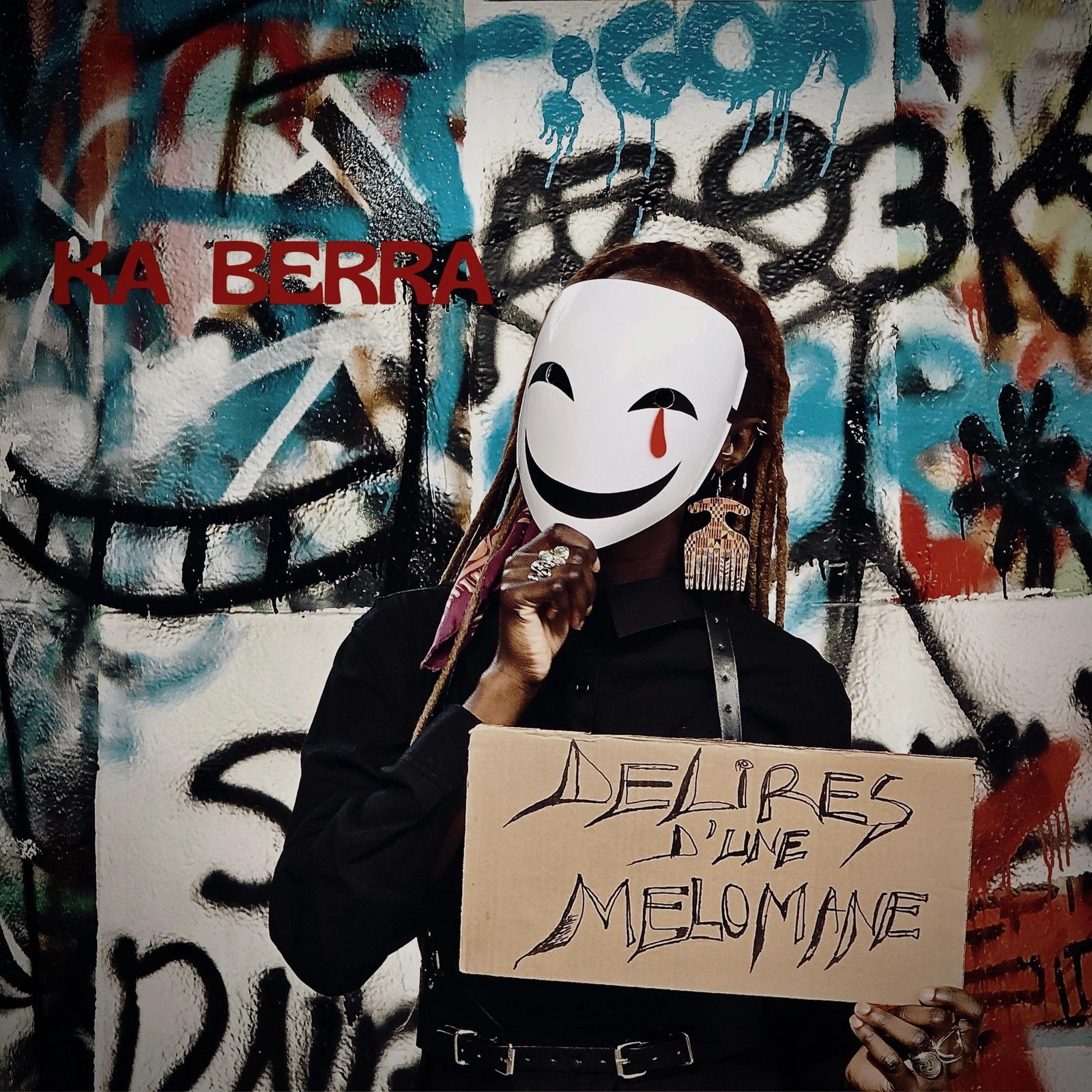
Piano notes and light strings open Délires d’une Mélomane. Then the trap hi-hats snap in, and KA BERRA starts to rap about the masks people wear. The single came out on 6 June 2025, her second release. It sets a French rap confession inside an orchestral arrangement, and that contrast is the whole design.

KA BERRA’s music sits in the playlist below, next to this desk’s hip-hop and conscious rap picks, and each feature on the artist to date is kept on the KA BERRA profile. Délires d’une Mélomane came to NewMusic.News through PopHits.Co Music Charts, which verifies independent artists and places their releases across its network of music news desks. Play it once, then read on for the story behind the masks.


Inside Délires d'une Mélomane: How KA BERRA Built a Rap About Masks
Inside Délires d’une Mélomane: How KA BERRA Built a Rap About Masks

Why Délires d’une Mélomane Still Matters as KA BERRA Works Towards a Debut EP and a Book

A single from June 2025 could easily have faded by now. This one kept growing instead. In the months that followed, KA BERRA surrounded it with new work. Each piece added a layer to the same idea. First came Persona, a short video posted two weeks before the release. Its title borrows Carl Jung’s word for the face a person shows the world. Then, in September 2025, the official video arrived. Her third single, 25 Ans, followed in February 2026 with a pop, folk and rock sound.

The bigger reason to return to the song now is where it leads. In the notes under the official video, she calls it the visible part of a larger project. That project points towards her very first EP. Her official website places the EP inside a bigger plan called Projet de Renaissance. It is a planned pair of works. One half is a book, Comment fait-on pour se rendre à l’évidence ? The other is the EP, J’écris je rêve je chante, donc je suis. Her website still lists both as forthcoming. So for now, Délires d’une Mélomane is the clearest way into the ideas they will carry.

From a Childhood Dream of Medicine to French Indie Pop, KA BERRA Found Her Way to Rap

The ideas themselves go back much further. KA BERRA taught herself, and her biography says her biggest childhood dream was to become a doctor. That plan did not work out the way she pictured it. Instead, writing and music became an outlet for anger and hurt. Later they became a form of therapy. Today she describes her art as a way to be a doctor through words, music and stories. When the single first came out, Plastic Magazine summed up the same story by calling her pen her scalpel.

Her debut single, Paris, arrived in February 2025. It was French indie pop, an open letter to the capital and to anyone who lets themselves dream. Délires d’une Mélomane was the turn that came next. It kept her ear for melody but added rap, trap drums and an orchestra. That shift showed how far her range could stretch. Her biography also calls her a singer-songwriter, a writer and a director, and she lives in Paris.

Inside Délires d'une Mélomane: How KA BERRA Built a Rap About Masks
Inside Délires d’une Mélomane: How KA BERRA Built a Rap About Masks

Piano, Strings and Rattling Hi-Hats Carry the Song From a Confession to an Incisive Chorus

The production comes from Ael a la prod, according to the credits under the official video. Nathan Cocherie handled the arrangement and the mix. Their arrangement starts small and builds with care. Plastic Magazine picked out the piano and the light string lines at the start. Then the snap of rattling hi-hats arrives as her voice comes in. HipHopEargasm filed the song under French rap and described swarming strings and cracking percussion. Even so, it noticed that the mix leaves room for every line.

Her delivery is the other half of the design. She moves between sung melodic lines and a sharper rapped flow. As a result, the song never settles into one register for long. Her own website calls the chorus striking and incisive. PowHer Sound, a blog that covers women in music, used the same word for it. Meanwhile, Zillions Magazine heard strings in the background and a delivery that was sharp and heartfelt at once. The single also drew notice from Music Taste and Groove Africa.

The Masks, the Inner Child and the Délires d’une Mélomane Video

The subject is pretending. Her website describes faking it as an art in itself: the art of hiding your vulnerability and putting on armour. The song follows that idea through a personal story that anyone can recognise. In the video notes, she asks what people really hide behind their masks. Is it fragility, inner struggles or their true nature? She also asks whether a mask used as a shield can leave someone a stranger to themselves.

The official video, directed by SLOWN with Selim Chebbi as director of photography, adds a second character to that story. Its credits list Tifenn Keza Georget as the inner child. That is the part of a person that still dares to go without a mask, to dream and to create. Seventeen extras fill out the scenes, and KA BERRA thanks each of them by name.

What Délires d’une Mélomane Answers, and Where to Follow KA BERRA Next

The answer is the most hopeful part of the song. KA BERRA does not ask anyone to tear their masks off. In the video notes, she suggests the opposite: handle the façade on your own terms and let a mask become a guide. Worn that way, a mask can help you explore and become the person you want to be. For a track about armour, that is an optimistic place to land. It also explains why the orchestra sounds grand rather than bleak.

She dedicated the song to everyone who lives music as an emotion, a madness or a refuge. The dedication also reaches the music lovers, the homebodies, the loners and the people who go out to party. That list explains the title, which translates loosely as the ravings of a music lover.

Where It Sits Beside Stromae and Diam’s, and Who It Suits

Listeners who follow French-language rap have two clear reference points. Stromae has built a career on moving between singing and rapping in French. Stromae’s 2022 album Multitude drew on styles and instruments from many cultures. KA BERRA’s shifts between melody and flow over an orchestra come from a similar instinct. Diam’s is the other touchstone. Records such as Dans ma bulle in 2006 showed how much weight first-person writing could carry in French rap. That frankness is the tradition Délires d’une Mélomane writes from.

It suits listeners who like their rap with melody and a story. It also suits anyone who has kept up a brave face for too long. The song works as the door into her catalogue, too. Start here and go back to Paris for her indie pop side. Then play 25 Ans to hear where she went next.

From the Curator Team: “Délires d’une Mélomane could have buried its voice under the orchestra. Instead, the strings and piano leave space around every line. A song about hiding still sounds open, and the chorus hits harder because of it.”

Stream Délires d’une Mélomane on Spotify and Apple Music. You can also find KA BERRA on Deezer and SoundCloud. The official video is on YouTube, and the rest of her clips are on her YouTube channel.

Follow her on Instagram, TikTok, Threads and Facebook. News about the EP, the book and the rest of her work is on her official website.


Oops I Got Sad Is Little Champion’s Upbeat Answer to Ghosting

Dustin Goldklang Set a Low Moment to Bright Guitars on a Home-Recorded Indie Pop Single

Dustin Goldklang recorded Oops I Got Sad in a makeshift studio above a garage in Asheville, North Carolina. He gave a low moment a bright, bouncing arrangement. The song came out as a single on 2 December 2022, and it is the work of Little Champion, Goldklang’s one-person indie pop project. Its subject is ghosting, and the particular sadness it leaves behind.

Little Champion’s song is in the playlist below, alongside the rest of this desk’s rock and alternative selections, while the act’s full coverage history sits on the Little Champion profile. Oops I Got Sad reached NewMusic.News through PopHits.Co Music Charts, which verifies independent artists and places their releases across its network of music news titles. Give it a first listen, then read on for how the song came together.



Oops I Got Sad Is Little Champion's Upbeat Answer to Ghosting
Oops I Got Sad Is Little Champion’s Upbeat Answer to Ghosting

Oops I Got Sad Grew Out of Ghosting and Little Champion’s Decision to Make It Sound Bright

Most people know the moment behind the song. A conversation that seemed to be going somewhere simply stops, and there is no argument to replay, only silence. When the single came out, Goldklang told Popfad that he “wrote this song about being sad after getting ghosted”. The title turns that feeling into a shrug and a confession at the same time.

That mix of sad and funny is the project’s signature. In fact, the biography on the official website describes songwriting that is fluid yet structured, thoughtful yet goofy, and sad yet funny. It is a fair description of a track that sounds cheerful while admitting it is not.

From Folk-Punk House Shows to a Garage Studio, Goldklang Built Little Champion in 2021

The road to the song was not a straight one. Goldklang spent his late teens and early twenties on the DIY folk-punk house-show circuit, playing as Dustin and the Furniture. After that, he stepped away from music for several years. Along the way, as Plastic Magazine reported, he spent more than a decade as a professional poker player.

Then, in 2021, with time at home during the pandemic, he picked up the guitar again and formed Little Champion. The first release came in April 2022, a two-track single called 2 Songs that paired Snow Day and Holiday.

Oops I Got Sad followed in December. Over the next few weeks, the reviews read it as a sign of the project growing. For example, Mesmerized heard a witty take on ghosting, a bedroom pop ethos and crystal-clear vocals. Meanwhile, The Other Side Reviews added the track to its rock playlist on Deezer.

Oops I Got Sad Is Little Champion's Upbeat Answer to Ghosting
Oops I Got Sad Is Little Champion’s Upbeat Answer to Ghosting

Softly Distorted Guitars and a Plain-Spoken Lyric Carry the Sadness Without Letting It Sink

The arrangement is where the song answers its own moment. Plastic Magazine heard an upbeat, light sound full of gentle rhythm, softly distorted guitars and vibrant vocal leads. Crucially, that brightness sits against a lyric about feeling low. Illustrate Magazine singled out the guitar tone, clean with only a little gain, and a bridge where the guitar moves into its lower notes. The track runs to just over three minutes, and the mood never sinks with the subject.

Goldklang wrote, performed, recorded and produced it himself, so the home-studio approach is part of the appeal. The song later became part of the debut album Curiosity, released in March 2023. Goldklang has described that record as containing at least one explicit question in every song. A second album, Peaks Island and Other Places, followed in May 2025 with songs about place and loss.

So who is it for? Listeners who came to home-recorded pop through Clairo will recognise the approach, since her early bedroom recordings made a small, personal sound feel direct. Fans of Bleachers get the other half: bright, driving guitar pop that carries a heavier feeling underneath. Both appear on the list of influences Plastic Magazine reported for the project.

From the Curator Team: “Oops I Got Sad is a small song that knows exactly what it is doing. The guitars stay clean and bright, the melody keeps moving, and the lyric admits the sadness without asking for pity. That balance is why it still sounds fresh on a first listen today.”

Where to Hear Oops I Got Sad and Follow Little Champion From San Francisco

Little Champion now works out of San Francisco. Stream Oops I Got Sad on Spotify, and follow the full catalogue on Apple Music, Bandcamp and SoundCloud. Music videos, including the one for the 2024 single Drive, sit on the YouTube channel.

Keep up with Goldklang on Instagram, TikTok, Facebook and X. The Linktree collects shows, merch and the latest album in one place.


The Long Way to Forever: Gio 22/6, Rado Ricky and Five Years of Soft R&B Production

A Producer’s Monthly Run of 2026 Singles Brings Rado Ricky Back for a Second Collaboration

Forever, the May 2026 single from Gio 22/6, lasts two minutes and 14 seconds. He built it on hi-hats running at about 130 beats per minute, with the snare landing at half that pace. For the collaboration he brought in Rado Ricky, who had already appeared on his October 2025 single Sins. It came out on 7 May 2026, one stop in a run of new Gio 22/6 singles that has arrived almost every month this year.

Gio 22/6’s Forever, with Rado Ricky, sits in the playlist below among our R&B, neo soul and soul picks, and Gio 22/6’s artist profile collects the wider coverage. The single reached this desk through PopHits.Co Music Charts, which verifies independent artists and places their releases across its network of music news desks. Press play on that half-time snare first, then keep reading for the run of singles around it.


The Long Way to Forever: Gio 22/6, Rado Ricky and Five Years of Soft R&B Production

Gio 22/6 Spent Five Years Refining Soft R&B Beats Before a Monthly Run of 2026 Singles

Gio 22/6 is a producer first. He makes R&B and hip-hop beats built on soft, dreamy sounds. By his own account, he has spent more than five years refining that style. On Instagram he sums himself up in one line, as a producer here to save you. The same phrase appears in his own biography.

The singing and rapping usually come from other people. Since 2023 he has released English-language songs with international artists, frequently working with rappers and singers from the United States. His debut mixtape, 21, arrived in 2024. He has described it as a personal project that helped him look back on his childhood and teenage years while defining his sound.

The album Mirrors followed in June 2025. It runs ten tracks, including three short skits: Mirrors, Let me be me and The past. The guest list included BIGBABYGUCCI, 4TYDAN, Surf, Luxxisdead, ayglø, LOVE6 and Roam, and Had enough alone carried three of them. His releases carry the Mariahilf Records name.

The Monthly Run

Then the pace changed. In 2026 the singles started arriving roughly once a month. Bad Habit with Ty Lab came in March and New Life with Ty Lab in April, followed by Forever with Rado Ricky in May. After that came Risky with Kale Joseph, Lyfe Harris and Ty Lab in June, and Lifestyle with Ty Lab and sindr in July. Then Late night drive with Rado Ricky and Ty Lab arrived in August, and Overthinking with Ty Lab in September. In other words, a small circle of collaborators keeps returning. Ty Lab appears on six of the seven singles, and Forever is the only one without Ty Lab. The run also has a destination. When Risky came out, Gio 22/6 announced it as the first single from an EP due between September and October, and he later called Overthinking the last single before it.

The post he wrote for Forever explains the moment behind it. About half a year had passed since he and Rado Ricky made Sins, and the response to that song was the reason they returned for another. He also described the weeks around the release as a point where he realised he liked his life as it was, yet still wanted to change it, and for the first time out of inspiration rather than fear.

On Forever, Gio 22/6 Pairs Rado Ricky With a 130 BPM Hi-Hat Pattern and a Half-Time Snare

Measured from its Spotify preview, Forever sets its hi-hats at about 130 beats per minute while the snare falls at half that speed. As a result, the track feels relaxed even though the top of the beat keeps moving. That split is a common way to make an R&B beat breathe. It also suits the soft, dreamy production Gio 22/6 is known for. At two minutes and 14 seconds, the song says what it has to say and stops.

Rado Ricky arrives with a catalogue of solo songs, among them Lonely In LA, Hollywood Baby and Cumbia In A Defender. The partnership did not end with Forever either. Rado Ricky returned in August for Late night drive, this time alongside Ty Lab.

The Long Way to Forever: Gio 22/6, Rado Ricky and Five Years of Soft R&B Production

What Forever Answers About Keeping a Producer’s Sound When the Voice Changes Every Single

So what does Forever answer? In Gio 22/6’s own framing, the song is about being brave enough to face your demons to get what you truly want. The beat makes the same argument in its own way: the hi-hats push forward while the snare refuses to hurry, and the tension between them never quite resolves.

There is a second answer too, to the question every producer-led project faces: how do you sound like yourself when someone else is at the microphone? His answer is consistency underneath the voice. The drums, the soft textures and the short runtime stay recognisable from single to single. Meanwhile, the collaborators rotate within a small, trusted circle, which keeps the record fresh without losing the producer.

For Listeners Who Follow Kaytranada and Metro Boomin

That model has famous precedents. Kaytranada, the Haitian-Canadian producer, built his debut album 99.9% in 2016 around guests such as Anderson .Paak, Syd and Craig David. Even so, the record still sounded like him. Similarly, Metro Boomin put his own name on the cover of his debut solo album, Not All Heroes Wear Capes, in 2018. The voices changed from track to track, but the production held it together. Gio 22/6 works on a smaller scale and in a softer register. Even so, listeners who follow either producer will recognise the approach.

From the NewMusic.News Curator Team: “Forever is a short song with a patient beat. Gio 22/6 lets the hi-hats hurry while the snare takes its time, and that tension is what gives the whole record room to breathe.”

Where to Hear Gio 22/6, Rado Ricky and Forever

Stream Forever on Spotify and follow Gio 22/6 on Spotify, where the rest of his 2026 singles sit alongside Mirrors and 21. The follow-up with Rado Ricky, Late night drive, is on Spotify as well. Follow Gio 22/6 on Instagram for new beats and releases.


Inside Ain’t I the Fool: How Jack Hoban Built a Blues Confession Around Bernard Purdie’s Drums

A Jersey Shore Songwriter Hands the Drums on His Blues Confession to Bernard Purdie

For one song on his 2021 album Blue Beach, Jack Hoban gave the drum stool to Bernard “Pretty” Purdie. Purdie is the session drummer who gave his name to the Purdie shuffle. That song is Ain’t I the Fool by Jack Hoban, track five of twelve, released on 31 May 2021. It is a blues about owning your mistakes, recorded with a drummer who has spent six decades making other people’s songs move.

Jack Hoban’s Ain’t I the Fool sits in the playlist below with our R&B, neo soul and soul picks, and Jack Hoban’s artist profile holds the rest of the coverage. The single reached this desk through PopHits.Co Music Charts, which verifies independent artists and places their releases across its network of music news sites. Give it a listen first, then read on for how Bernard Purdie ended up on the drums.


Inside Ain't I the Fool: How Jack Hoban Built a Blues Confession Around Bernard Purdie's Drums
Inside Ain’t I the Fool: How Jack Hoban Built a Blues Confession Around Bernard Purdie’s Drums

Jack Hoban Recorded Blue Beach Through the Pandemic, With Bernard Purdie on Ain’t I the Fool

Blue Beach is Hoban’s second album of songs about, and inspired by, the sea. The first, BellaMar, came out in April 2020, and he returned to the same shoreline a year later. In his own notes on the album, he wrote that people call this kind of music yacht rock these days. Then he added, drily, that he does not own a yacht.

Many of the songs were written and recorded during the pandemic. He described the record as carrying both the happy and the sad feelings of that time. Life and music, in his telling, rise and fall like waves. That mood matters for Ain’t I the Fool. It is a song about looking back at your own mistakes with a straight face and a loose groove.

The album came out on Memorial Day, 31 May 2021. Hoban produced it with Steve Jankowski. Jankowski also engineered and mixed it at Jankland Recording Studio, and he played trumpet and trombone. Meanwhile, Randy Ledet played keyboards and Buddy Savino played bass, with Deb Lyons and Katie Stemkovsky on background vocals. Finally, Scott Hull mastered it at Masterdisk.

Bernard Purdie Plays Track Five of Blue Beach for a Jersey Shore Songwriter He Already Knew

The drums on Blue Beach were shared out song by song. Ilya Stemkovsky played on five tracks and Bobby Boyd on five more. Purdie played on exactly one, and it is Ain’t I the Fool.

His name carries a lot of history. He was Aretha Franklin’s musical director for five years from 1970. He also played the shuffle on Steely Dan’s Home at Last and Babylon Sisters. By most counts he has played on more than 4,000 recordings, and in 2013 the Modern Drummer Hall of Fame inducted him.

A Friendship Already on Record

Besides, Purdie was not a stranger to Hoban’s music by 2021. He produced Jersey Blue, Hoban’s jazz and blues album released in May 2020, with songs written by Hoban and Gene McCormick. In turn, Hoban wrote the songs, played guitar and co-produced Testify, a Purdie album. John Korba arranged it, and it was recorded at Lakehouse in Asbury Park and at Jankland. The two have played live together as well. In July 2021, Hoban’s YouTube channel posted clips of Purdie with Rogues on the Run at The Falcon. So when Purdie sat down to play on Ain’t I the Fool, he was playing for a songwriter he already knew well.

Watch the video and check the artist’s YouTube channel for more.

Inside Ain't I the Fool: How Jack Hoban Built a Blues Confession Around Bernard Purdie's Drums
Inside Ain’t I the Fool: How Jack Hoban Built a Blues Confession Around Bernard Purdie’s Drums

On Ain’t I the Fool, Jack Hoban Answers Heartache With Blue-Eyed Soul Swagger, Not Self-Pity

Hoban’s own songwriting has always leaned towards the blues. Alongside his solo records he plays with his band, Rogues on the Run, a jazz and blues outfit from the Jersey Shore. The band has played local venues and festivals and opened for BB King, and their retrospective album covers 1996 to 2015. Today he is based between New Jersey and Hawaii, and he writes everything from ballads to jazz-flavoured adult contemporary songs.

Ain’t I the Fool sits where those two lives meet: AOR polish, blue-eyed soul phrasing and a blues subject. Zillions Magazine heard a song that treats the blues as a badge of honour rather than a reason to sulk. In its reading, the lyric looks back at missed chances in love and chooses honesty about mistakes over self-pity. The same review singled out Hoban’s guitar as intense but smooth, and his voice as smoky and self-assured. It also named Purdie’s drumming as the thing that keeps the whole song moving.

In the end, that is the answer the song gives. It admits the foolishness in the title, laughs at it a little, and keeps the groove going anyway.

For Listeners Who Know Steely Dan and Hall & Oates

The comparisons almost suggest themselves, because Purdie has played for both. Steely Dan built their late-1970s albums on session players of exactly his calibre. His shuffle on Home at Last is part of why Aja still sounds so easy to live with. Hall & Oates used him on Abandoned Luncheonette in 1973, and the Philadelphia duo’s mix of rock, soul and rhythm and blues made them one of blue-eyed soul’s best-known names. Listeners who love either will find the same instincts in Ain’t I the Fool. The songwriting comes first, the drummer never overplays, and the vocal has a smile in it.

From the NewMusic.News Curator Team: “Ain’t I the Fool gives Bernard Purdie five and a half minutes and a song that knows how to laugh at itself. Jack Hoban wrote a confession and recorded it like a celebration, and that is the right call for a blues this honest.”

Where to Hear Jack Hoban and Ain’t I the Fool

Stream Jack Hoban on Spotify, Apple Music, Bandcamp and SoundCloud, and find Blue Beach on Deezer. His videos, including the Blue Beach uploads and the live clips with Purdie, sit on his YouTube channel. Follow him on Instagram, Facebook and X, and read about the rest of his catalogue on his official site.