
Year: 2026

Michael Kiwanuka Built FUDGE in a Shack Outside Southampton

The session had gone nowhere. Michael Kiwanuka and his multi-instrumentalist Joe Connell had spent the day on songs that were already written, and none of them would come alive. So they stopped, had dinner, and came back to the little room near Kiwanuka’s home in Southampton with no plan except to play. What came out was “Love In My Heart”, a seven-minute song that unfolds slowly and, as the label’s notes put it, opens up like a flower.

“It felt moving to me,” Kiwanuka says in the notes that accompany the album. “I wanted to share it with other people. That was the eureka moment.” That jam became the centre of FUDGE, his fifth album, which Polydor releases on 23 October. It is the first time he has taken on production duties himself since his 2012 debut, Home Again, DIY reported, and it was made without his long-time collaborators Danger Mouse and Inflo.

The Hut Outside Southampton

The room matters to the story. Kiwanuka wanted somewhere he could drop into for an hour at a time and keep working without the weight of a big studio booking, and he found it in a one-room building not far from his house, built from cob, a rough-and-ready organic material. “It looks like a medieval hut,” he says. “I needed a creative ecosystem, so I could pop in and do an hour here and there and keep my creative brain awake.”

He spent his Mercury Prize money on a console and filled the room with equipment. The second thing he needed was a collaborator who could play the parts he could not, and he found one around the corner: Joe Connell, the multi-instrumentalist in his live band. “He can play anything. He’s a one-man machine,” Kiwanuka says. They named the studio Dreamers.

The results sounded bigger than the space. “It sounds like we’re in Capitol Studios on Vine Street, but we’re actually huddled in this shack outside Southampton,” he says of “Love In My Heart”. Many of the songs were recorded in single, flowing takes, and they ran longer than his usual writing, which is part of why the album feels loose and unhurried.

A Record Made Alongside Small Changes

FUDGE was never meant to be a separate project. It grew over three years in parallel with Small Changes, the 2024 album Michael Kiwanuka made with Danger Mouse and Inflo as the follow-up to his Mercury-winning 2019 record, KIWANUKA. With that album carrying the expectations, the heat was off the songs taking shape at Dreamers, which were looser and more stream-of-consciousness.

The two records fed each other. When Kiwanuka felt stuck on one, he could move to the other and come back refreshed, and the more he made, the more his confidence grew. It was a confidence he needed. “I’m always one step away from quitting,” he admits. “My brain’s always saying, ‘You can’t do it, you’re not good enough.'”

The push to keep going came from an unlikely place. Scrolling Instagram during lockdown, he found an interview with the late jazz pianist Chick Corea, part of which now opens the album: “You have to learn to be certain about what you like, not what you think sounds good to someone else… Whatever you think is beautiful, that’s what’s beautiful, and you have to pursue that.”

Working Without the Safety Net

Two songs frame the record and say out loud what it cost to make it this way. “Summer Clothes”, which started life as a contender for Small Changes, opens the album, and “Swings and Roundabouts” closes it. Both deal with his anxiety about working without the safety net of his long-time collaborators.

“It sounds like a break-up song,” Kiwanuka told NME of “Summer Clothes”. “It’s me knowing that the creative relationship I have isn’t going to last forever and I’m going to have find my own road. What do I do then? A lot of this record is working that out.”

The method was the point. “I had to do it differently from the last few records, otherwise there was no reason for this record,” he says. “At some point in each song there had to be outpouring of something that wasn’t overthought. It was almost like someone else was making it.” Even the title carries that spirit. “When I think of fudge it’s playful and childlike, which is good for creativity,” he says. “But also it’s a polite way to say I’m just going to do it.”

The Records Behind FUDGE

Michael Kiwanuka built the album around records that share its sense of play. The notes name the Beatles’ Rubber Soul, Neil Young’s On the Beach, whose winding guitar echoes through “You Sent Me Flying”, Frank Ocean’s Blonde (“It doesn’t make sense but it does”) and Shuggie Otis’s Inspiration Information. “That’s probably my favourite record of all time,” Kiwanuka says of the Otis album. “It sounds like a child’s mind in an adult.”

Some of the songs reach back a long way. “Stars”, with its fuzz guitar solos, was first recorded as he came out of the crisis of confidence that followed Home Again, and its lyric names that loss directly: “When I played I used to feel / Now I don’t feel a thing.” “I remember in school music always seemed to make sense,” he says. “And then suddenly when it became a job it wasn’t making sense. My love for playing guitar disappeared for a while.”

Others are written for people close to him. “Drowning in Your Heart” calls back to his teenage love of Elliott Smith, a song for someone “so sad they’ll sabotage everything”. “Across the Sky” takes the slow-burning reputation of Inspiration Information as its theme, and “Sing” addresses his own doubts about whether to keep making music. “It really does make me feel alive to make music and to sing,” he says.

From Dreamers to the Finished Record

When the songs were ready to leave the hut, Kiwanuka took them to the producer Dom Monks, who has worked with Laura Marling and Big Thief, and to his long-standing string arranger Rosie Danvers, known for her work with Coldplay and Adele, to record what he calls “the posh stuff”. Some string arrangements were recorded at Dreamers itself by Henry Rankin and Harry Fausing Smith’s string quartet. The album was recorded in Southampton and Frome, according to the label.

The look is new too. The artwork, which the label calls a whole new look, comes from Kiwanuka’s old friend Stevie Gee, an award-winning illustrator and animator, whose psychedelic cartoon of bright, smiling faces matches the album’s playful spirit. The full tracklist runs: “Summer Clothes”, “California”, “Just Another Moment”, “Drowning In Your Heart”, “Love In My Heart”, “Across The Sky”, “Stars”, “You Sent Me Flying”, “Move In My Direction”, “Steve’s Paradise”, “Sing” and “Swings And Roundabouts”.

Why FUDGE Is Arriving Now

FUDGE was finished before Michael Kiwanuka fell ill, and its release was held back for almost a year. On 23 September he told fans on Instagram that he had suffered a stroke a few months earlier, after a bleed on his brain brought on by high blood pressure, and that the resulting injury was “quite severe”. He said he still faces significant rehabilitation before he can think about touring again. “It’s a long, tough journey ahead but I’m fighting to get better,” he wrote, according to NME.

The news explains why he cancelled his remaining live shows in the summer of 2025, including festival slots at All Together Now, Sziget, Pukkelpop, We Out Here and Victorious, and a run of North American dates supporting Mumford & Sons. His live commitments remain on hold indefinitely, but the album is coming out with his blessing and his pride in it.

Kiwanuka is not the only artist to find a sound in an unlikely room this season; we wrote recently that Olivia Dean found a house where no music had been made. FUDGE carries its hut with it. Kiwanuka ends his notes by going back to Chick Corea’s advice. “You’ve got to keep following your nose. Sometimes it doesn’t make sense,” he says, smiling, “but it will.”


Leon Bridges Finished Half of Happiness Anytime in Four Days

Leon Bridges

The first song arrived before the instrumental was finished. In April 2025, Josh Lloyd-Watson and Lydia Kitto of the British group Jungle played Leon Bridges a skeletal track built around a Wurlitzer chord progression and a relaxed drum pattern, and he started singing as soon as it began. “Straight away he sang the first bit to ‘Your Love Is Electric,'” Lloyd-Watson recalls in notes released with the album. “And I’m like, ‘Whoo, let’s go. This is it.'”

Four days later, the three of them had six songs, half of the finished record. Happiness Anytime, the fifth studio album from Leon Bridges, is out today on Columbia Records: twelve tracks that the Fort Worth singer describes as being about “cultivating pockets of happiness”.

A Writing Session With One Rule

The collaboration grew out of chance meetings. Bridges and the Jungle pair kept crossing paths at festivals and shows, including one in Copenhagen, before deciding to try a low-pressure writing session in Los Angeles. “I always just loved their dance-y vibe, and I felt they were ideal collaborators,” Bridges told an interviewer in a conversation published by Yahoo last week.

The sessions ran on a simple rule. “We aren’t leaving until we have a full track at the end of the day,” Lloyd-Watson says in the album notes reported by BroadwayWorld. “We didn’t want to have, ‘We’ll come back to this tomorrow.’ We wanted fully finished tracks.” He puts the thinking behind it plainly: “First thought is the best thought. That’s where the emotion is.”

Bridges remembers the process as a release. “It was the most freeing experience of creating music,” he said. “We built everything on drum loops and we’d just pass the guitar around until we landed on something cool.” He is quick to credit his co-producer’s voice as well: “Lydia, man, her vocals, in my opinion, really carry a lot of these songs.”

Pino Palladino, Fela Kuti and a Party in Los Angeles

The record was completed across three fast sessions. When the trio reconvened in August 2025, they were drawing on Fela Kuti’s Afrobeat, Brazilian music, soul, disco and South American rhythms. “We’d been listening to a lot of South American music and Sergio Mendes,” Lloyd-Watson says. “We infused it with these Latin rhythms and African rhythms,” he says, aiming for “music that had groove and soul and feeling.”

They also brought in a player with a long reach: the bassist Pino Palladino, whose credits include D’Angelo and Adele, joined them at Chaplin Recording Studios in Los Angeles to complete the album. The label’s notes describe echoes of Fela Kuti, the wanderlust of Paul Simon’s The Rhythm of the Saints and the warmth of Jorge Ben, while insisting the record never feels referential.

For Bridges, the Fela thread started almost by accident. He told the interviewer he knew only a few of the Nigerian musician’s songs until he heard one at a GQ party at the Chateau Marmont, and it sparked more ideas. “What I do a lot is, when I hear instrumental stuff, I’ll start freestyling over it,” he said. That track, he explained, inspired songs like “Illusion” and the deeper, introspective side of the album.

Getting Back Out Front to Dance

The other goal was movement. Early in his career, Bridges was out in front dancing, something that had waned in recent years. “Leon said he wants to have music that he can dance to,” Kitto recalls. “He wants to have moments where he can put the guitar down and just dance and perform at the front.”

Dancing goes back a long way for him. He told the interviewer he fell for it at 11 or 12, practising his moonwalk after taping a Michael Jackson anniversary broadcast, and later danced with a company called Velocity while at Tarrant County College. “I’m always dancing, man,” he said. “I don’t really deem myself an amazing dancer. But I feel like I have my own style and expression.”

That has reshaped the live show. Bridges has been introducing the songs through Leon Bridges Presents Happiness Anytime, a reimagined stage production with a vinyl DJ, a horn section and three backing vocalists, inspired in part by the communal spirit of classic Jamaican dancehall culture. DIY reported that he previewed it in pop-up performances in Paris, Cannes, Los Angeles, at Montreux Jazz Festival and at London’s Jazz Cafe. Earlier this month he performed a medley of “Talk It Over”, “Light The Way” and “Illusion” on The Tonight Show Starring Jimmy Fallon, and “Watch You Dance” premiered on Apple Music 1 alongside an interview with Zane Lowe.

Why Happiness, and Why Now

Bridges is clear that the title is not a slogan about ignoring the world. “For me, happiness is not a feeling that you chase,” he said when the album was announced in July. “I want this album to be something that lingers with people and lingers in people’s bones. There’s this feeling that we have to fix the problems of the world; you feel inadequate or it can be debilitating. My role is to be light.”

He returned to the point in the Yahoo conversation. “It’s not [ignoring] issues of the world. Black people are no strangers to suffering and pain. But we’ve created the most beautiful art that’s come from our suffering,” he said. “If there’s chaos around, you can’t freak out or lose your cool. You gotta stand firm-rooted. That’s kind of what the album is for me.”

Some of the songs look back as well as forward. “Tears of Joy” is a thank-you, a song in which Bridges looks back at the years since his 2015 debut and imagines “10 more years of glory”. Lloyd-Watson hears it as a song about legacy: “What being on the road means. What you sacrifice to give this artistry to the world.” Kitto has the simplest explanation of the title: “It’s music you can put on no matter how you’re feeling, and it makes you feel happy and it makes you want to get up and dance.”

A Release in Three Parts

The album did not arrive all at once. Bridges released it in three instalments of four songs each, starting in July with “Light The Way”, “Tears of Joy”, “Illusion” and “Your Love Is Electric”, according to DIY, so eight of the twelve tracks were already out before today. The full tracklist runs: “Light The Way”, “Tears of Joy”, “Illusion”, “Your Love Is Electric”, “Talk It Over”, “Happiness Anytime”, “All Day, All Night” featuring Lydia Kitto, “Fly Baby”, “Watch You Dance”, “The Way It Goes”, “Take My Hand” and “Please Don’t Say Goodbye”.

Happiness Anytime follows Leon, his 2024 album, which Rated R&B notes debuted at No. 5 on Billboard’s Top R&B Albums chart. The label’s notes position the new record as a return to the warmth of his 2015 debut Coming Home, combined with the adventurous groove of his two collaborative albums with Khruangbin. Across his career, Bridges has earned six Grammy nominations and one win.

What Comes After the Record

Bridges, who is 37, is already thinking beyond his own songs. He told the interviewer his next goal is to help aspiring artists who lack resources. “I actually had this thought to put together a crew of house musicians, almost like a Muscle Shoals vibe,” he said. “Whoever wants to make cool stuff, let’s do it.”

Where a record gets made often shapes how it sounds, and it has been a theme on NewMusic.News this month, from Happiness Anytime’s quick sessions in Los Angeles to the way Olivia Dean found a house where no music had been made.

For Leon Bridges, home remains fixed. “Fort Worth is forever gonna be home,” he said. Happiness Anytime is the sound of him leaving it for a few days, passing a guitar around a room in Los Angeles, and coming back with a record built to move.

Giuseppe Cucè on Three Years of Singles and the Making of 21 Grammi

The Catania Songwriter Returned After a Decade and Built His Third Album Single by Single

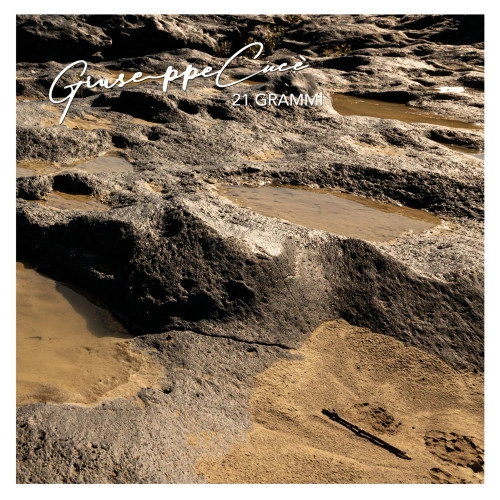
In 2022, ten years after his last album, Giuseppe Cucè took the first step towards 21 grammi. He did it with a single rather than a record. Di estate non si muore and La mia dea came out that year. Five more songs followed over the next three. On 20 June 2025, all of them found a home on the album, a concept record about the weight people carry.

Giuseppe Cucè’s opener È tutto così vero is waiting in the playlist below. Everything this network has published on him is gathered on his artist profile. 21 grammi reached NewMusic.News through PopHits.Co Music Charts, which verifies independent artists and places their releases across its network of music news desks. Press play on it, then read on for the long road behind the album.


Giuseppe Cucè on Three Years of Singles and the Making of 21 Grammi

Before 21 Grammi, Giuseppe Cucè Spent a Decade Between Records

That return makes more sense once you know where he started. Cucè grew up in Catania, a city he has described as shaped by the shadow of Mount Etna. He told M.E.I. News that he began writing songs as a teenager. Over time, it stopped being a choice and became a necessity. His early career ran through local stages and collaborations with musicians from his own city. Then came the first studio recordings.

His discography lists La ballata di un fiore (2008), La mela e il serpente (2009) and Attraversando Saturno (2012). Spotify still carries Cuore, a song from 2009, so the earlier voice is easy to find. M.E.I. News introduced 21 grammi as the record that followed two albums and numerous singles, which makes it his third.

Along the way, he also took the songs into smaller rooms. His official biography singles out a performance at the Le Petit Saint-Martin Theatre in Paris. He has also spoken about a University Radio Tour across Italy with only guitar and voice. Meanwhile, he works outside music too, creating perfumes through a project called Scenografie Olfattive, and he paints. None of that sits far from the album, which treats feeling as something you could almost weigh in your hands.

Why 21 Grammi Was Built From Singles Released Between 2022 and 2025

The concept is right there in the title. The record borrows the old idea that the human soul weighs 21 grams. It turns that into nine songs about love, desire, memory, separation and rebirth. What makes the album unusual is how long its parts had already lived in public. His discography page lists seven of the nine tracks as singles between 2022 and 2025. The opener, È tutto così vero, arrived on Spotify three weeks before the album. Una notte infinita is the one song with no earlier release listed.

That history changes how the record sits. Dimmi cosa vuoi and Fragile equilibrio had two years to settle before they were sequenced together. By contrast, Cuore d’inverno, released through TRP Vibes, joined them as the most recent piece. Heard in order, the songs read less like a collection of singles and more like chapters written out of order. That suits a concept album about memory.

Musically, the album keeps to the sound Cucè has described as analogue, orchestral and cinematic. It is Mediterranean songwriting built on real instruments, strings and piano rather than electronic production. The voice and the lyrics stay at the centre. Nine songs pass in roughly half an hour, so the concept never has to stretch to fill the space.

The response has also travelled. The album has drawn coverage across Europe, the United States and Latin America. In Germany, both Berlin On Air and NewIndieRadar wrote about 21 grammi, each placing it in indie folk.

Watch the video and check the artist’s YouTube channel for more.

Giuseppe Cucè on Three Years of Singles and the Making of 21 Grammi

After 21 Grammi, a Spanish Version With Pandi and a New Single in 2026

Since June 2025, the path has pointed outward. In October 2025, Cucè released El mundo es verdadero, a Spanish-language version of È tutto così vero. Pandi, the alias of Alessandro Spagna, adapted the lyrics. The Mexican outlet IndieAM described it as Latin pop in which son, guajira, rumba and danzón meet. It was produced by Riccardo Samperi and Pat Legato and released on TRP VIBES. For a songwriter whose work has always leaned south, it is a telling decision.

Then, on 3 July 2026, came Estasi e veleno, his newest single. It already sits at the top of his most-played songs on Spotify. Taken together, the two releases suggest a clear direction. The album’s world is being carried into another language and extended with new songs, not left behind.

For listeners, the useful reference points sit on both sides of the Atlantic. Caetano Veloso comes first, and not only as a comparison. Cucè has named him among his influences and as an artist he would love to work with. Veloso’s albums have also long paired poetic lyrics with orchestral arrangements. Jorge Drexler is the second. His literate lyrics and acoustic arrangements suit anyone drawn to the organic side of 21 grammi.

Stream Giuseppe Cucè 21 Grammi and Follow What Comes Next

From the NewMusic.News Curator Team: “Most albums are written towards a release date. 21 grammi was assembled from songs that had already lived in public, some of them for three years. That is why the concept holds together: almost every track had to earn its place twice.”

The full album plays in the Spotify player above, and it also streams on Apple Music, Deezer and Tidal. Start with È tutto così vero on Spotify. Then follow Giuseppe Cucè on Spotify, Instagram, Threads, TikTok, X, Facebook, his YouTube channel and his official site.


OneNamedPeter on Belonging, Small Towns and the Making of Passing for Human

A Lewes Songwriter Built Ten Folk, Rock and Synth-Pop Songs Alone After a Three-Year Pause

OneNamedPeter wrote, played, recorded and produced Passing for Human on his own, after three years without a new album. The ten songs that came out of that decision circle one stubborn question: what it takes to feel at home in the world.

OneNamedPeter’s title track is in the playlist below, filed alongside our singer-songwriter picks, and the full coverage history sits on OneNamedPeter’s artist profile. Passing for Human reached this desk through PopHits.Co Music Charts, which verifies independent artists and places their releases across its network of music news sites. Hear it once through, then read on.


OneNamedPeter on Belonging, Small Towns and the Making of Passing for Human

OneNamedPeter, Passing for Human and a One-Person Studio in Lewes

The setting matters here. OneNamedPeter is a British singer and songwriter based in Lewes, in East Sussex. He works as a genuinely one-person operation. As Mystic Sons put it, he writes, plays, records, produces, films and designs everything himself.

That approach has already carried him through a sizeable catalogue. His own website lists seven albums to date, including Atlas, Esc, Hurts and Pan, alongside a steady run of singles. Pan in particular drew a wide spread of reviews from independent music sites in Britain and beyond.

The pause after Pan lasted about three years. When he returned, it was with what Obscure Sound called a revived rush of inspiration, and the result was Passing for Human. The record first appeared on 21 November 2025, when the early reviews landed. It then arrived on Spotify and Apple Music on 24 April 2026. Five months on, OneNamedPeter’s Passing for Human is the natural place to start with his work.

Ten Songs That Move From Hushed Acoustic Guitar to Full-Band Rock

The album runs just over 36 minutes across ten tracks, and its range is the first thing you notice. Go Down to the River opens on acoustic strumming and an inward-looking vocal, then turns electric. Obscure Sound heard the dynamics of XTC in that shift. The Ghost of You follows with finger-picked guitar and a melancholy vocal about a love that never quite leaves.

The title track changes the palette again. There, synth-laden dreaminess sits under tasteful guitar lines, and the song takes a close look at the strange sensation of feeling out of step with everyone else. Flying works as a sister song to the opener, built on jangling guitars and a longing to escape small-town life. Hometown is the longest piece at five minutes and 20 seconds, while While You Sleep closes the record gently. Mystic Sons heard it as a lullaby that feels like a vow.

Other writers picked up the same balance. Dancing About Architecture praised the dexterous finger-picking and the less-is-more arrangements, and Songweb called the whole record a quiet earthquake of an album. The genre tags reflect that spread: alt-folk, alt-country and alt-rock pop, sometimes within a single song. Because one person made every part, the shifts never feel like a committee pulling in different directions. The same voice carries the quiet songs and the loud ones.

OneNamedPeter on Belonging, Small Towns and the Making of Passing for Human

What Passing for Human by OneNamedPeter Answers About Belonging and Small Towns

So what does the record answer? Mostly, it answers the question in its own title. Across the album, the recurring subjects are alienation, love and the pull of leaving a small place. The title track then pulls them together into a meditation on belonging and identity. The songs suggest that most people are improvising their way through being human, and that admitting it is a kind of relief.

That is also why the influences reviewers have heard make sense. XTC built a career on English songwriting that could turn from pastoral to electric within a verse, and Go Down to the River follows that route. Meanwhile, Momus spent decades making literate, soft-edged synth-pop, and the synth-lit title track sits close to that tradition. Neither comparison is about copying. Instead, both point to a British line of songwriters who treat the awkwardness of ordinary life as their main subject.

Who Passing for Human Is For

It suits listeners who move easily between folk, country and rock and do not need a record to stay in one lane. It also suits people in the UK and further afield who like albums made by hand, where the fingerprints show. Above all, it will reach anyone who has ever felt out of place in their own hometown, since that feeling runs through the whole collection.

Start with the title track, then go back to Go Down to the River and let the album play in order. Heard that way, the move from the opener’s acoustic start to the quiet close of While You Sleep feels like one long conversation. There is more on the way, too: his next album, Yours Faithfully, is due on 25 September.

From the Curator Team: “What stays with us is how Passing for Human keeps one voice across very different rooms. The hushed acoustic songs and the full-band ones sound like the same person talking, which is exactly what you would hope for from a record one songwriter wrote, played and produced alone.”

Stream OneNamedPeter Passing for Human and Follow Him Across Platforms

Stream OneNamedPeter on Spotify, Apple Music, Deezer, SoundCloud and Bandcamp. Watch his videos on YouTube, and keep up with him on Instagram, Facebook and X. All seven albums have their own pages on his official site.


SPACELY and the Making of Here, JP Warner’s Sci-Fi Single About Staying in the Moment

A Chicago Producer’s Cinematic Alt-Pop Project Turns Mental Health Into an Original Sci-Fi Saga

When JP Warner started writing as SPACELY, he made one decision that shaped everything after it. He would tell his own story through a character. That character is Captain Joseph Spacely, stranded with his crew on an uninhabited moon and facing their inner demons. Released on April 3, 2024, the SPACELY single Here then takes that idea somewhere direct, because it is alternative pop about staying fully present.

SPACELY and JP Warner have Here in the playlist below, so it is the first stop for anyone meeting the project today, and the rest of the coverage sits on his artist profile. Here came through PopHits.Co Music Charts, which verifies independent artists and places their releases across its network of music news sites. Play it first, then read on for why it matters now.


SPACELY and the Making of Here, JP Warner's Sci-Fi Single About Staying in the Moment
SPACELY and the Making of Here, JP Warner’s Sci-Fi Single About Staying in the Moment

Why the SPACELY Single Here Matters Now, as the Sci-Fi Saga Heads Toward Its Next Chapter

The timing is worth explaining. ECLIPSE, the album that holds Here, arrived a chapter at a time through 2024. Crash was billed as Chapter 3 that May. After that, Reforge followed as Chapter 9 of 11 by December, and the full record finally landed in 2025. Now SPACELY’s official page promises that the captain and crew will return in 2026. So the story sits between chapters, which makes this a natural moment to return to the song that states its purpose most plainly.

Here sits fourth on the finished album, after the overture, Destiny and a short interlude titled with a numeric code, 012.012.082. In total the album runs to 22 tracks and 43 minutes, and those coded interludes recur between the songs. Heard in that sequence, Here lands early, almost like the thesis of the whole record.

The SPACELY single also arrived with a head start. In the weeks after its April 2024 release, Here drew write-ups from Hailtunes, Mesmerized, Beach House Mag and Muse Chronicle. Brazil’s IndieOclock covered it too. In fact, most of them picked up on the same pairing of a large sound and a very personal subject.

The Chicago Producer Behind SPACELY and the Captain Joseph Spacely Story

The person behind it has spent years on the other side of the glass. JP Warner is a Chicago-based producer, artist and storyteller with more than a decade in the studio. First, he co-founded the DJ duo MiNDTRiX, and only then moved into pop production. His collaborators include TE/MO, Excision and Jorge Rivera-Herrans, the creator of EPIC: The Musical.

Alongside SPACELY, he also runs a jazz catalogue under his own name and NIGHTSWIM, a melodic house project. SPACELY is the one he describes as his vessel for processing what he has learned about managing his mental health and finding inner peace.

Musically, Here is built from layered synths and punchy percussion. On top, the vocal climbs from firm verses into a wide, soaring chorus. Muse Chronicle traced the influences to Hans Zimmer, Blink-182 and Porter Robinson. Meanwhile, Mesmerized heard the finished single as grand, sweeping alt-pop when it arrived.

The theme is simple, and deliberately so. Muse Chronicle described Here as a song about being fully immersed in the present moment. Similarly, Beach House Mag noted how deeply Warner’s own experience with mental health runs through the lyrics. Writing through a character is also what makes that honesty possible. SPACELY told Mesmerized that writing as Captain Joseph Spacely makes it easier to be vulnerable. In addition, the same interview credited sci-fi films as the fuel for building the world around the songs.

SPACELY and the Making of Here, JP Warner's Sci-Fi Single About Staying in the Moment
SPACELY and the Making of Here, JP Warner’s Sci-Fi Single About Staying in the Moment

What Here Offers Fans of K-Pop, Game Soundtracks and Film Scores

SPACELY’s music is pitched at a crossover crowd: fans of K-pop, Riot Games soundtracks, film scores and electronic music. The SPACELY single suits that listener well, because its hook is pop-sized while its scale borrows from the screen.

The clearest reference point is Porter Robinson, whose album Nurture turned a hard stretch of self-doubt into bright, big-hearted electronic pop. Hans Zimmer explains the other half of the sound, with its patient builds and the sense of a scene opening up. Blink-182 may look like the outlier. Still, that band’s gift for a plain-spoken chorus is exactly what keeps Here grounded.

So what does Here answer? For listeners who like their pop with a story attached, it is an easy way into a larger world. Meanwhile, for anyone facing their own version of the captain’s moon, it is a three-and-a-half-minute reminder to come back to where they are.

The NewMusic.News curator team: “Here works because JP Warner keeps the message small while the production goes big. The chorus opens out like a film cue, yet the idea at its centre is a single instruction to stay present, and that contrast is what gives the song its pull.”

Stream the SPACELY Single Here and Follow the Project Across Platforms

Start with the SPACELY single at the top of the page. After that, carry on through ECLIPSE, where Here sits among the chapters of the captain’s story.

Keep up with SPACELY and JP Warner here:


Veludo Tropical on Human-Led Bolero and the Making of No Me Digas Adiós

A Campinas Project Revives the Vintage Bolero Farewell and Says Openly How It Was Made

Every Veludo Tropical song starts as a scene: a half-lit bar, a forgotten letter, a city under rain. No Me Digas Adiós, out since 20 August 2026, opens on a farewell. In this Veludo Tropical bolero, a mature female voice carries that goodbye over a vintage arrangement. The project behind it, based in Campinas, Brazil, is also unusually direct about how it built the song.

Veludo Tropical’s farewell bolero sits in the playlist below, among the jazz and modern composition this desk keeps returning to, and the project’s full run of coverage lives on the Veludo Tropical profile. No Me Digas Adiós reached NewMusic.News through PopHits.Co Music Charts, which verifies independent artists and places their releases across its network of music news titles. Press play, stay with the whole goodbye, then carry on reading.


Veludo Tropical on Human-Led Bolero and the Making of No Me Digas Adiós

Veludo Tropical Arrives as Bolero Becomes World Heritage and Streaming Asks How Songs Are Made

Two changes in the years before this single shape how it arrives. First, in December 2023, UNESCO added bolero to its Representative List of the Intangible Cultural Heritage of Humanity. Cuba and Mexico nominated the form together, and their nomination described it as identity, emotion and poetry turned into song. The committee also noted that composers are still writing new boleros, in a living dialogue with the tradition.

The second change came from the streaming side. In September 2025, Spotify said it would back a new DDEX industry standard for showing, in a song’s credits, where AI played a part. Its argument, moreover, was that listeners deserve a more nuanced picture than a simple yes or no.

Veludo Tropical therefore sits exactly where those two stories meet. It writes new boleros, and it also says plainly that generative tools are part of its process.

The Method Behind Every Veludo Tropical Song

The project describes its method in some detail. Each track begins with a human creative direction: a scene, a feeling, a story and an artistic intention. After that, generative and digital tools come in during production. Selection, revision, the mood each song aims for, the visual identity and the final decisions all stay in human hands. The project is also careful not to present the technology as the artist.

That openness is rarer than it should be, because plenty of machine-assisted music reaches streaming services with no word on how anyone made it. Here, by contrast, the project states its method up front, alongside a clear account of what the tools do and what they do not do.

The inspiration, however, is far older than any of the tools. Veludo Tropical draws on the classic nights of Latin America, blending bolero with smooth Latin jazz, serenade and sophisticated vintage arrangements. In fact, No Me Digas Adiós is its first release on Spotify.

Watch the video and check the artist’s YouTube channel for more.

Veludo Tropical on Human-Led Bolero and the Making of No Me Digas Adiós

No Me Digas Adiós Takes Nearly Five Minutes to Say One Goodbye

The title translates as “don’t tell me goodbye”, and the song gives that plea room to breathe. It runs to about four minutes and forty seconds. That is long for a single in 2026, yet right for a bolero, where a goodbye usually takes a whole song to say. Meanwhile, a mature female voice leads, and the arrangement leans on the vintage Latin colours the project names as its home ground.

The project’s YouTube channel bills the official video, embedded above, as a vintage romantic bolero. It also suits the song’s film-like staging, with one scene played out slowly.

Two reference points help place the mood, with no connection implied between the artists. For instance, Omara Portuondo, the Cuban singer long linked with the Buena Vista Social Club, has spent decades showing how much a mature voice can put into a bolero. Luis Miguel, on the other hand, took the form to a new generation in 1991 with Romance, on which he and producer Armando Manzanero reworked classic boleros. As a result, No Me Digas Adiós speaks to listeners who know both of those voices and still want new songs in the same spirit.

What This Veludo Tropical Bolero Answers, and Where the Project Goes Next

The question this release answers is a simple one: can a project that uses new tools still make a bolero that means something? Veludo Tropical’s reply is to keep the parts that matter in human hands, and then to tell you so. After that, the rest is the song’s job, and it takes its time doing it.

For listeners of classic bolero, smooth Latin jazz and film soundtracks, it is an easy one to add to a late-evening rotation. It should also make particular sense in Brazil, Mexico, Bolivia and Venezuela, where the project is aiming its first releases. Similarly, Spanish-speaking audiences who grew up with the form are a natural home for it.

The project has not stood still since. A second single, Perfume de Medianoche, followed on 11 September 2026. A third, Bajo la Luna de La Habana, already appears on the project’s site, where fans can pre-save it on all stores.

NewMusic.News’s curator team: “A bolero depends on patience, and No Me Digas Adiós has it: close to five minutes spent on one goodbye, with a mature voice and a vintage setting doing the work. We would also like more projects to follow its lead on disclosure, because telling listeners how you made a record costs nothing and earns trust.”

You can follow Veludo Tropical across these platforms:


Beck’s Ride Lonesome Brings Back the Sea Change Players

Most of Ride Lonesome was made the old-fashioned way, with a handful of musicians in one room playing together in real time. Beck told NME that the bulk of the songs were recorded live, five people at a time, without patching the performances afterwards, so that what you hear is simply how the band sounds together in real time. The room was Room B at United Studios in Hollywood, and the people in it were the musicians who played on three of his most loved records.

Ride Lonesome is released on Friday 18 September through Capitol. It is Beck’s 15th studio album and his first collection of new songs since Hyperspace in 2019, according to Rolling Stone, and it arrives with a long North American tour already under way.

The Band That Made Sea Change Returns

The personnel is the first thing Beck’s longtime listeners will notice. According to the label’s announcement, Smokey Hormel, Joey Waronker, Justin Meldal-Johnsen, Roger Joseph Manning Jr. and Jason Falkner reunited with him for the sessions. All of them had recorded with Beck on Mutations, Sea Change or Morning Phase, and the last two in particular sit at the quieter, more acoustic end of a catalogue better known for genre collisions.

Beck described the group to NME as his own version of the Wrecking Crew, the loose circle of session players behind so many records of the 1960s, and said their musical chemistry had grown deeper and more nuanced over decades of working together. In a statement reported by Rolling Stone, he noted that a decade had passed since they last went into the studio to record Morning Phase, and that this time the playing and the chemistry felt as if they had evolved.

The band members have busy lives of their own. NME’s interviewer noted that Waronker joined Beck at the Royal Albert Hall last year during a break from touring with Oasis. Manning, the Jellyfish and Imperial Drag co-founder, releases his own album, Hopium, on the same Friday as Ride Lonesome, according to the Pause and Play release listings, which describe it as his first album in eight years.

A Record That Waited on a Shelf

Ride Lonesome could have come out much sooner. Beck told NME that he initially planned to finish the album and release it in 2023, but ended up shelving it for two years. He was not sure the songs were strong enough, he said, and was not in the right frame of mind for what a record like this demands once it is out in the world. In another era, he suggested, it would probably have been released a year and a half ago.

He was candid about why this kind of album takes time. Music this exposed cannot be knocked out quickly, he told NME: the singing and playing have to land on exactly the right emotion, and some days that simply does not happen. He said he had to sit with the material for a long while to understand how to sing it, how to play it and how to make it fly.

The songs themselves go back to the pandemic. Beck said many of them were written when he was stuck at home on his own for a couple of weeks. Rolling Stone, citing an earlier interview with NPR, reported that he had to wait a couple of years after Covid before he could get back to work, built his own recording studio, and spent much of the past four years in and out of the studio with his band, making several albums’ worth of music that he expects most people will never hear.

Beck in the Producer’s Chair, Godrich on the Mix

Beck produced Ride Lonesome himself. Nigel Godrich, who produced Sea Change and worked on Mutations, returned to mix the album, according to the label. That division of labour is visible in the singles. The label describes Disappearing Act, the third track released ahead of the album, as a song built on acoustic guitar and orchestration, produced by Beck and mixed by Godrich.

The orchestral colour has a clear origin. NME’s review recalls that Beck played two orchestral concerts at the Royal Albert Hall in London last spring, leaning heavily on Sea Change and performing it with an 85-strong team of musicians. At the time he said the shows had inspired him to work in the studio with an orchestra, while describing the work only as an undisclosed, unnamed project.

His interest runs deeper than one concert series. Beck told NME he has been drawn to orchestras for the past decade and, for a couple of years, went to hear one almost every week. He described the experience of dozens of musicians playing a piece together as beautifully counterintuitive in a world that keeps optimising and streamlining everything, and said he simply prefers music that comes from human effort.

Twelve Songs About Loss and Getting Through It

The album runs to 12 tracks: Ride Lonesome, Run Away, In the Night, Failed Words, Bleed, Disappearing Act, For Your Love, Slow Canyon, It Ends Right Here, Falling Through My Hands, If You Don’t Know What Love Is and Beyond the Light.

Beck was direct about the subject matter. He called it a heartbreak record, one about reckoning with loss and letting things go, covering romantic loss, the death of a good friend and the feeling of one era of life giving way to another. He told NME the record feels closer to Morning Phase than to Sea Change, and described its sound as slow-motion, twilight and acoustic.

He also explained why it took so long to write this plainly. The musical climate he came up in during the early 1990s was hostile to quiet, sincere songs, he said, and performers who strummed elegiac songs in bars and clubs could expect to be heckled. He recalled worrying for friends such as Elliott Smith and Lou Barlow, who were writing introspective music when it was deeply unfashionable, and said it took him a long time to find the courage to be this direct and emotional on record.

How the Songs Have Arrived So Far

The rollout began with the title track in April. The album was formally announced in July alongside In the Night, whose video was directed by Mikai Karl and stars the French actor Denis Lavant, according to Rolling Stone. Disappearing Act followed in August as the third preview.

Early reviews have been warm. The label notes a five-star lead review in MOJO. NME’s review describes the album as a meditation on heartache and solitude and places it squarely in the lineage of Sea Change and its 2014 successor Morning Phase. RIFF Magazine scored it eight out of ten, singling out Failed Words as a highlight and calling If You Don’t Know What Love Is some of his best work in decades.

From Vancouver to Nashville on Stage

The Ride Lonesome tour opened at the Queen Elizabeth Theatre in Vancouver on 16 September and runs until 31 October, when it ends at The Truth in Nashville. Along the way it visits the Santa Barbara Bowl and the Greek Theatre in Los Angeles, plays two nights each at The Masonic in San Francisco, Massey Hall in Toronto and the Brooklyn Paramount, and includes a date in Colorado on 1 October, according to the label’s itinerary. Several dates are already sold out.

Beck told NME the shows will be unlike any tour he has done before: slow and dark, with a sense of otherness and distance, closer to a theatre production than a rock concert. That fits a record so bound up with the spaces it was made in. NewMusic.News has looked at how a room shapes a record before, most recently when Olivia Dean found a house where no music had been made. For Ride Lonesome, the room was a familiar studio and the most important instrument was the band’s shared history, built over more than 25 years of playing together.

Nathav Sings in English on Moon River, Nine Years After Her Danish Debut

The Copenhagen Songwriter Came Back with Four Songs of Electronic Blues and Minimalist Synth-Pop

You Still Miss Her opens the Moon River EP by Nathav on a piano figure in an uneven 5/8 pattern. Halfway through, a bank of synthesisers rises underneath it. The song first came out as a single in May 2024. It was the first new Nathav song in almost nine years, and the first she sang in English.

Nathav’s title track sits in the playlist below, among our pop and art-pop picks, and this network’s coverage is filed on Nathav’s artist profile. Moon River came to this desk through PopHits.Co Music Charts, which verifies independent artists and places their releases across its network of music news desks. Press play on the EP, then read on for the nine years that led here.


Nathav Sings in English on Moon River, Nine Years After Her Danish Debut

The Long Pause Before Moon River, From a Danish Debut in 2015 to Nathav Singing in English

A Voice That Had Already Led Three Bands

Nathav is the solo name of Mathilde Lunderskov, and it joins the Danish words for night and sea. By the time she chose it, she had already spent years at the front of other line-ups. She sang lead in the Scandinavian indie-pop band Lovebites, which released three albums. After that band split, she founded the dream-pop and noir group Blake and toured Europe with it. Then, in 2010, she formed the synth-pop duo Umatic with her brother, Lukas Lunderskov, and released the album Ashes & Diamonds.

Her own biography notes that her voice and style are often compared to Kate Bush and Goldfrapp. Both comparisons point at something specific. Kate Bush made her name with a high, dramatic vocal set against piano. Her 1978 single The Man with the Child in His Eyes is one example. Similarly, Goldfrapp’s 2000 debut, Felt Mountain, put Alison Goldfrapp’s voice over electronics that borrowed from old film scores. Reviewers heard a similar pull towards old Hollywood on this EP.

Nine Years Away From the Nathav Name

Nathav began as a Danish-language project. The single Tiger came out in April 2015. The self-titled debut album followed on Target Records that August, with seven songs including Hedy Lamarr and Er Det Blod.

Then the project went quiet for a long time. According to Nordic Music Central, family matters and then the pandemic kept her out of circulation. In between, she appeared as one of the guests on Unify, a 2016 single by The Ball and The Wall. Otherwise, no new Nathav release came out until May 2024. When the songs did return, they were in English.

That is the moment Moon River belongs to. Lunderskov had three bands and a Danish album behind her. She restarted the project in a different language, with the same producer at her side. So what would a return like that sound like after so long away?

Watch the video and check the artist’s YouTube channel for more.

Nathav Sings in English on Moon River, Nine Years After Her Danish Debut

Four Songs of Electronic Blues on Moon River, and What the Return of Nathav Answered

The Four Songs, Track by Track

Moon River came out on 29 November 2024 on Horror Comfort, and it runs just under 15 minutes. Two of its songs arrived first as singles: You Still Miss Her in May and Boy Model in August. The producer is Noah Rosanes, who also produced the 2015 debut. The two go back a long way, since their parents sang together in the 1970s disco vocal group Flair.

The opener sets the terms. You Still Miss Her is electronic blues about standing in the shadow of a partner’s earlier love. Nordic Music Central’s David Bentley traced its piano to a 3+2 pattern in 5/8. He also noted how the synthesisers build to two separate peaks. Meanwhile, Extravafrench heard Vangelis and old James Bond soundtracks behind it.

Boy Model, heard here in its full version, moves towards downtempo electronica. It follows a young male model in New York who works through the night. The song is as much about loneliness and lost innocence as about the job.

The title track widens the frame. According to IGGY Magazine, Lunderskov wrote the lyrics of Moon River with Edie Kuhnle in the Hollywood Hills. In addition, Obscure Sound hears the song in two halves. Old-Hollywood balladry comes first, and then a warning about trusting a pretty face.

Finally, Look at Us Now closes the EP on a piano progression recorded live, as IGGY Magazine reports. It turns the famous gap on the London Underground into the image of a wound that will not close.

What Moon River Answered for Nathav

A return after nine years raises two fair questions. Would listeners still come, and would the voice carry over into a new language?

The streaming figures answer the first. On Spotify, the four Moon River songs are the four most-played recordings in the Nathav catalogue. You Still Miss Her leads with 10,111 plays, ahead of Look at Us Now on 8,561. Moon River follows on 7,467, and the full version of Boy Model on 5,785. By comparison, the most-played song from 2015, Tiger, sits on 4,793. Those figures were read on 17 September 2026.

The reviews answer the second. Obscure Sound heard a bluesy spirit in the vocal on the opener. Nordic Music Central singled out a soprano that cuts through the synthesisers at their peaks. Later, the same site put You Still Miss Her in its 2024 Songs of the Year, and its review of the next single records that choice. That coverage ran in English, French, Portuguese, Spanish and German. End Sessions wrote in Spanish, for example, and Music For All in Portuguese.

The project has also kept moving since. Nathav followed the EP with Don’t Quit Your Day Job in May 2025 and Over You that December. As a result, Moon River now reads as a restart rather than a one-off.

So this is an EP for listeners who like their pop slow, dark and led by a voice. It also suits anyone curious about what nine years away did to a songwriter with three bands behind her. Start with You Still Miss Her, then let the other three songs run in order.

NewMusic.News curator team: “Moon River earns its place on our features desk because the return kept its foundations. The Danish songs of 2015 were built on piano, synthesisers and Mathilde Lunderskov’s voice. The English songs of 2024 stand on exactly the same three things.”

Listen to You Still Miss Her on Spotify. Follow Nathav on Spotify, Apple Music, Deezer, Tidal, Bandcamp, SoundCloud, YouTube, Instagram and Facebook. Her official site lists new releases and concert dates.


Inside 唇友谊: Moon Chew, a Singapore Music Producer, Makes Room for a Rapper

Moon Chew Built Her Singapore Catalogue Beside One Collaborator, and 唇友谊 Adds a Third Voice

Most of the records Moon Chew works on in Singapore are not hers. She is a music producer who also works as a mixing engineer, and for most of the last decade her job has been simple enough to state. Take other people’s songs and make them sound like themselves. On 唇友谊, out on 8 May 2026, she did something she had not done on one of her own tracks. She gave part of it to somebody else.

Moon Chew’s music is in the playlist below, and the coverage history sits on the Moon Chew profile. 唇友谊 reached this desk through PopHits.Co Music Charts, which verifies independent artists and places their releases across its network of music news titles. Listen before you read the rest.


Inside 唇友谊: Moon Chew, a Singapore Music Producer, Makes Room for a Rapper

How Moon Chew Got From the Singapore Mixing Desk to the Front of the Song

The order of her career is worth knowing, because it is the reverse of the usual one.

Moon Chew has worked in music production since 2010, and she still takes client work as a mixing engineer. Her SoundBetter profile describes her plainly as a Singapore-based mixing engineer and vocalist. It lists mixing at around three hundred dollars a song and carries seventy-four reviews. She works in Logic Pro X through an Audient interface, on PreSonus monitors, into a Neumann TLM 103. During the pandemic, when nobody could share a room, she mixed virtual classical orchestra and choir projects. That job teaches you how to assemble a performance out of parts that never met.

She is also clear about what she thinks the work is for. On that same profile she puts musicality and emotion ahead of sounding technically good. Her job, as she describes it, is bringing those out of somebody else’s mix.

The Covers Came Before the Songs

The singing arrived in public later, and it arrived through other people’s material.

From 2017 she began posting covers on her YouTube channel. Two of them, 畢竟深愛過 and 紙短情長, say so in their own titles. That grounding still shows in what listeners reach for. Several of her most-played recordings share their titles with well-known Mandopop songs, among them 體面, 烏梅子醬 and 讓我留在你身邊. Hear65, the Singaporean music platform run by Bandwagon, lists fifteen of her releases. It files them across pop, Mandopop, alternative, acoustic and electronic.

Covers are a reasonable way for a producer to become a singer. You learn the front of the song without also having to defend the writing. If you are already the person mixing it, you can hear exactly what your own voice needs. Her own stated reference points sit in that lineage. She names LaLa Hsu, Rainie Yang and G.E.M. as the singers her work sounds like. The originals came after that, and she produced, arranged and mixed those herself.

What 唇友谊 Changes for Moon Chew in Singapore

She has made most of her originals on her own, and many of the recent ones with a single collaborator, which is the part the release itself makes visible.

Spotify credits GHAZT on 唇友谊. GHAZT also appears on at least five more of her originals: 餘光一角, 躲猫猫物语, Mobius Strip (莫比乌斯环), 换季关系 and 血吻. 换季关系 got an official music video in November 2024. Read across the catalogue, GHAZT is not a guest on a track. GHAZT is the other half of how these songs get written.

That is what makes the new name interesting. The credits name Edward Chan as the rapper and the song’s lyricist, and his Spotify artist page currently lists this one track. The collaboration is at its start, then, rather than somewhere inside an established run. A settled two-person partnership with six songs behind it has a shape, and shapes are hard to open. Handing a section to a third person means agreeing in advance to leave room you would otherwise have filled.

From the NewMusic.News curator team: “The story on 唇友谊 is not that an independent singer booked a feature. It is that a working music producer decided her own song would be better with somebody else in it. She has spent years making other people’s records sit right. That is a harder call than it sounds when you are also the one balancing the result.”

Inside 唇友谊: Moon Chew, a Singapore Music Producer, Makes Room for a Rapper

What the Track Answers

Three minutes is not long to introduce a third voice, and the track does not try to stage a summit.

What it does is test the Moon Chew and GHAZT arrangement. Can it carry a register it has not carried before? The catalogue around it leans on sung Mandopop melody, some of it acoustic, some of it electronic. A rap verse is a different rhythmic logic. It either sits inside the arrangement or it sits on top of it. Anyone who has mixed for a living knows which of those they are aiming for, and Moon Chew mixed this one with GHAZT.

The opposite decision is just as deliberate, and this desk has written about a debut built with no guests at all. Neither route is the safe one. They just fail in different directions.

Whether this is a new direction or a single experiment stays open. Her releases have arrived steadily enough that an answer should not be far off. The useful thing about following a producer who fronts her own records is simple. You hear the decision-making rather than guess at it.

Where to Hear 唇友谊 by Moon Chew

唇友谊 is on Spotify, and her back catalogue sits on her YouTube channel.

Follow Moon Chew on Instagram, TikTok and Facebook.


Two Minutes, No Intro: Tragedy602 Live It Up

The Phoenix Rapper Cut the Intro Entirely and Started the Song at Full Speed

The first thing to know about Tragedy602 Live It Up is how long it is. Two minutes and nine seconds. In a genre that regularly runs past four, that is close to a statement of intent on its own. The second thing is what Tragedy602 did with the opening: there is no build. Reviewing the track, TJPL News put it plainly, noting that the progression is non-existent and that it goes straight in.

Tragedy602’s music is in the playlist below, and his coverage here is tracked on the Tragedy602 artist profile. Live It Up reached this desk through PopHits.Co Music Charts, which verifies independent artists and places their releases across its network of music news titles. Hit play first, then keep reading.


Two Minutes, No Intro: Tragedy602 Live It Up

What Happens When Tragedy602 Live It Up Deletes the Intro

That is the moment the record is built around, and everything else follows from it.

A rap single normally opens with something to walk you in. Four bars of the beat, a producer tag, a hook previewed at half volume. Those bars exist for a practical reason: they give a listener deciding whether to skip something to decide with.

Live It Up skips that step and starts where a normal track’s first verse would. The choice buys a specific effect, and it costs something specific too. What it buys is a song with no slow section. At two minutes it registers as a complete idea rather than an excerpt. What it costs is the warm-up. The writing has to be strong enough on the first bar to survive that.

The production supports the decision. TJPL News described being dragged into a retro games console with an edgy speaker blowing 808. That is an unusually precise way of putting it, and a fair one. The low end is doing rhythmic work rather than sitting under the track, and the samples are placed rather than layered. Tragedy602 works across autotune, emo rap and gangsta rap. The writing here leans on the melodic side of that range, while the drums stay firmly on the other.

Dulaxi, covering the release, landed on the same compression from a different angle. It described electronic rhythms and crisp rap flows, with vocals it called emotionally charged. Two outlets independently reaching for the word energy about a track this short is worth noting.

Two Minutes, No Intro: Tragedy602 Live It Up

What the Song Is Actually About, and Why the Length Serves It

Underneath the pace, the subject is not a party record. Tragedy602’s writing has consistently returned to adversity, resilience and self-discovery, and Live It Up frames celebration as something earned rather than assumed. Dulaxi quoted the line that carries it: “I came from the bottom Imma live it up, I was born with the source I can’t give it up.”

A celebration record and a record about having earned one are different things. The distinction shows up in the writing rather than in the beat. The beat could carry either. The verses could not.

Read that against the runtime and the structure makes sense. A song about refusing to slow down is a strange thing to open with a slow introduction. The form matches the argument. That alignment usually takes an artist several records to arrive at.

It is also why the track has kept its audience since its release rather than passing with its release week. Coverage came from Earmilk, TJPL News, 1111CR3W, Dulaxi and INDIEOCLOCK, a wide spread for an independent single. The reason is legible in the record itself: it is short, it is finished, and it does not ask for patience before it earns attention.

The NewMusic.News curator team: “Two minutes nine, no intro, and it still has a hook and an argument. Most artists who cut a track this short are trimming for playlists. This reads like the opposite, a song that is exactly as long as its idea and stops the moment the idea is done.”

Where to Hear Tragedy602 Live It Up and the Rest of the Catalogue

For a first listen, play it twice. At this length the second pass costs almost nothing, and the writing rewards it more than the beat does.

The listener it suits is the one who has grown tired of tracks that take forty seconds to start. A whole strand of independent hip-hop works this way now, trimming everything that is not the song. This is a clean example of what that discipline sounds like when the writing can support it.

Live It Up is on Spotify, alongside the rest of the catalogue on the Spotify artist page. Tragedy602 posts on Instagram, X and Facebook, the videos are on the YouTube channel, and he streams on Twitch.