
Inside Délires d’une Mélomane: How KA BERRA Built a Rap About Masks
The Paris-Based Artist Set Trap Hi-Hats Inside an Orchestral Arrangement for Her Second Single
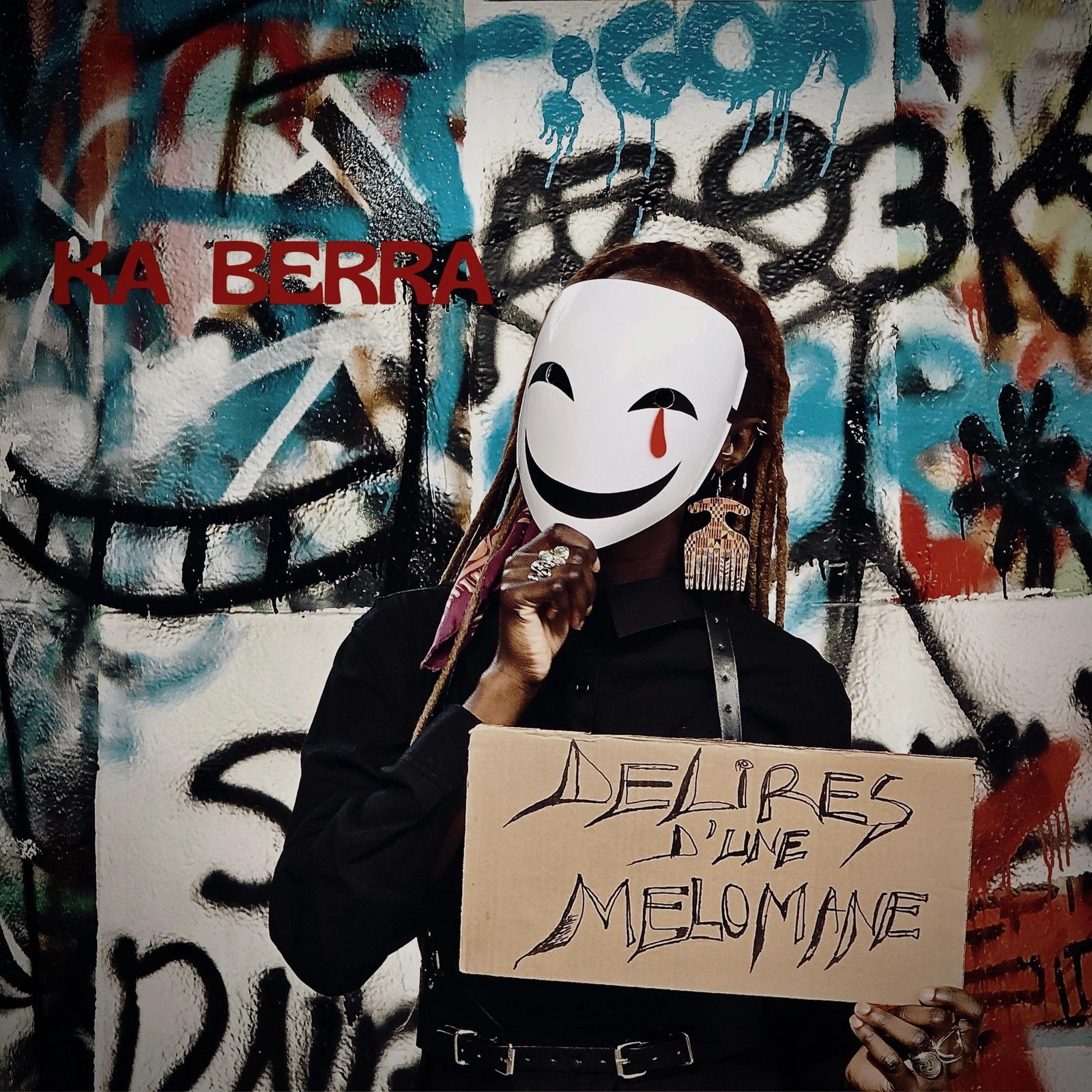
Piano notes and light strings open Délires d’une Mélomane. Then the trap hi-hats snap in, and KA BERRA starts to rap about the masks people wear. The single came out on 6 June 2025, her second release. It sets a French rap confession inside an orchestral arrangement, and that contrast is the whole design.
KA BERRA’s music sits in the playlist below, next to this desk’s hip-hop and conscious rap picks, and each feature on the artist to date is kept on the KA BERRA profile. Délires d’une Mélomane came to NewMusic.News through PopHits.Co Music Charts, which verifies independent artists and places their releases across its network of music news desks. Play it once, then read on for the story behind the masks.

Why Délires d’une Mélomane Still Matters as KA BERRA Works Towards a Debut EP and a Book
A single from June 2025 could easily have faded by now. This one kept growing instead. In the months that followed, KA BERRA surrounded it with new work. Each piece added a layer to the same idea. First came Persona, a short video posted two weeks before the release. Its title borrows Carl Jung’s word for the face a person shows the world. Then, in September 2025, the official video arrived. Her third single, 25 Ans, followed in February 2026 with a pop, folk and rock sound.
The bigger reason to return to the song now is where it leads. In the notes under the official video, she calls it the visible part of a larger project. That project points towards her very first EP. Her official website places the EP inside a bigger plan called Projet de Renaissance. It is a planned pair of works. One half is a book, Comment fait-on pour se rendre à l’évidence ? The other is the EP, J’écris je rêve je chante, donc je suis. Her website still lists both as forthcoming. So for now, Délires d’une Mélomane is the clearest way into the ideas they will carry.

From a Childhood Dream of Medicine to French Indie Pop, KA BERRA Found Her Way to Rap
The ideas themselves go back much further. KA BERRA taught herself, and her biography says her biggest childhood dream was to become a doctor. That plan did not work out the way she pictured it. Instead, writing and music became an outlet for anger and hurt. Later they became a form of therapy. Today she describes her art as a way to be a doctor through words, music and stories. When the single first came out, Plastic Magazine summed up the same story by calling her pen her scalpel.
Her debut single, Paris, arrived in February 2025. It was French indie pop, an open letter to the capital and to anyone who lets themselves dream. Délires d’une Mélomane was the turn that came next. It kept her ear for melody but added rap, trap drums and an orchestra. That shift showed how far her range could stretch. Her biography also calls her a singer-songwriter, a writer and a director, and she lives in Paris.


Piano, Strings and Rattling Hi-Hats Carry the Song From a Confession to an Incisive Chorus
The production comes from Ael a la prod, according to the credits under the official video. Nathan Cocherie handled the arrangement and the mix. Their arrangement starts small and builds with care. Plastic Magazine picked out the piano and the light string lines at the start. Then the snap of rattling hi-hats arrives as her voice comes in. HipHopEargasm filed the song under French rap and described swarming strings and cracking percussion. Even so, it noticed that the mix leaves room for every line.
Her delivery is the other half of the design. She moves between sung melodic lines and a sharper rapped flow. As a result, the song never settles into one register for long. Her own website calls the chorus striking and incisive. PowHer Sound, a blog that covers women in music, used the same word for it. Meanwhile, Zillions Magazine heard strings in the background and a delivery that was sharp and heartfelt at once. The single also drew notice from Music Taste and Groove Africa.
The Masks, the Inner Child and the Délires d’une Mélomane Video
The subject is pretending. Her website describes faking it as an art in itself: the art of hiding your vulnerability and putting on armour. The song follows that idea through a personal story that anyone can recognise. In the video notes, she asks what people really hide behind their masks. Is it fragility, inner struggles or their true nature? She also asks whether a mask used as a shield can leave someone a stranger to themselves.
The official video, directed by SLOWN with Selim Chebbi as director of photography, adds a second character to that story. Its credits list Tifenn Keza Georget as the inner child. That is the part of a person that still dares to go without a mask, to dream and to create. Seventeen extras fill out the scenes, and KA BERRA thanks each of them by name.
What Délires d’une Mélomane Answers, and Where to Follow KA BERRA Next
The answer is the most hopeful part of the song. KA BERRA does not ask anyone to tear their masks off. In the video notes, she suggests the opposite: handle the façade on your own terms and let a mask become a guide. Worn that way, a mask can help you explore and become the person you want to be. For a track about armour, that is an optimistic place to land. It also explains why the orchestra sounds grand rather than bleak.
She dedicated the song to everyone who lives music as an emotion, a madness or a refuge. The dedication also reaches the music lovers, the homebodies, the loners and the people who go out to party. That list explains the title, which translates loosely as the ravings of a music lover.
Where It Sits Beside Stromae and Diam’s, and Who It Suits
Listeners who follow French-language rap have two clear reference points. Stromae has built a career on moving between singing and rapping in French. Stromae’s 2022 album Multitude drew on styles and instruments from many cultures. KA BERRA’s shifts between melody and flow over an orchestra come from a similar instinct. Diam’s is the other touchstone. Records such as Dans ma bulle in 2006 showed how much weight first-person writing could carry in French rap. That frankness is the tradition Délires d’une Mélomane writes from.
It suits listeners who like their rap with melody and a story. It also suits anyone who has kept up a brave face for too long. The song works as the door into her catalogue, too. Start here and go back to Paris for her indie pop side. Then play 25 Ans to hear where she went next.
From the Curator Team: “Délires d’une Mélomane could have buried its voice under the orchestra. Instead, the strings and piano leave space around every line. A song about hiding still sounds open, and the chorus hits harder because of it.”
Stream Délires d’une Mélomane on Spotify and Apple Music. You can also find KA BERRA on Deezer and SoundCloud. The official video is on YouTube, and the rest of her clips are on her YouTube channel.
Follow her on Instagram, TikTok, Threads and Facebook. News about the EP, the book and the rest of her work is on her official website.