
Rachel Chinouriri Built Her Second Album Around One Night Out
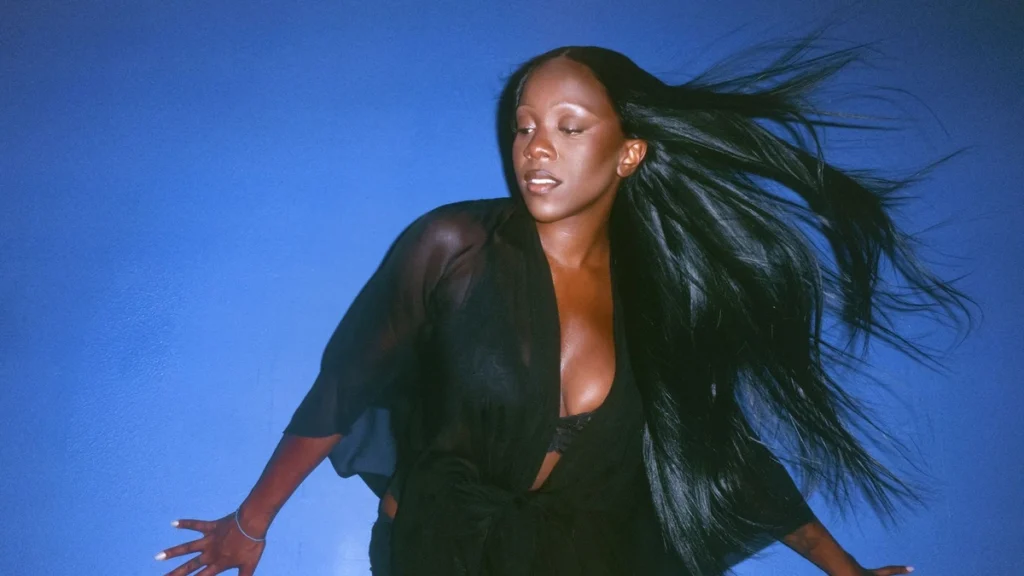
Rachel Chinouriri in a 2026 press photograph for I Think I Spoke Too Soon.
The realisation came in Los Angeles. Spending time there with Lucy Dacus, Rachel Chinouriri started “having these realisations about drinking and partying and all these things”, she said, and the song she wrote out of it, “Broken Chair”, sits near the middle of her second album. I Think I Spoke Too Soon arrives on October 16 through Atlas Artists/Parlophone/Warner Records, and it is told “through the lens of a single, big night out”, according to the album announcement reported by The Music Universe.
That one night stands in for some of the most pivotal years of the London-born singer and songwriter’s life. She has spent the summer and autumn previewing it: three singles are out, she has performed on SNL UK, and in December she joins Gracie Abrams for a run of arena shows in the United States. Here is what is known about the record before release day.
One Night Out, Many Versions of Herself
The album picks up where Chinouriri’s 2024 debut, What a Devastating Turn of Events, left off. The announcement describes it as “a vivid and surrealist glimpse behind the curtain” of pivotal years in her life, a story “that can loop (or maybe even spiral) endlessly” and details “the kind of night that shifts your whole world on its axis and reveals new truths about yourself.”
The theme underneath it is forgiveness. “My core thing is you can change who you are at any moment and you can forgive yourself at any moment,” Chinouriri said when she announced the record, as quoted by Rolling Stone. “And I think forgiving yourself is the first step in becoming a better person.”
That marks a shift from the first album. Towards the end of 2024, she told Rolling Stone she wanted to take a different approach from the emotional excavation of her debut. “Or maybe I’m creating a new world where I write from a happy place and teach myself to write from a place of healing versus a place of trauma,” she said. The new title suggests she tried both, and that the night out is where they meet.
Three Singles From the Night Out
The lead single, “One Song Away From Crying”, arrived with the announcement at the end of July. The Music Universe described it as “a grooving, iridescent, synth-pop number beamed directly from the dancefloor in a moment of insecurity”, a glossy song set in a club and built around the line “She’s never looked better and she’s never felt worse.” Chinouriri explained it as “about the precipice of a night out where you know you need to leave and have to make a decision,” adding: “It’s a deeper decision because it’s less about the night itself but more about a reflection of a deeper internal conflict with your self value that you haven’t looked at yet.” Dora Paphides directed the video, in which she escapes a party she does not want to be at into a dreamlike world.
“Make Believe” followed, and in late September came “Broken Chair”, the third preview. According to DIY, it is a sparkling electronic track whose buoyancy hides more troubling themes, as Chinouriri examines her unravelling relationship with alcohol and intoxication. She wrote it in Los Angeles while spending time with Lucy Dacus, who, she said, “almost reassured me that I am more than enough just being who I am and what I want to be.”
Taken together, the singles sketch the night the album describes, from the moment you know you should go home to the realisations that arrive once the music stops.
The Tracklist
The album runs to 12 songs, as published by DIY:
- “One Song Away From Crying”
- “Pretty Girls”
- “Baby Steps”
- “Favourite Desperation”
- “I’m a Star”
- “AAAHHH!!!”
- “Broken Chair”
- “Shiver”
- “Make Believe”
- “Parasite”
- “The Good Fight”
- “Crash This Car”
The running order follows the concept. It opens on the single about wanting to leave the party, puts “Broken Chair” near the middle and closes on “Crash This Car”.
Who She Made It With
I Think I Spoke Too Soon was written and recorded across London, Hereford and Los Angeles. Rachel Chinouriri worked with longtime collaborators APOB, Mary Weitz, Glen Roberts and Daniel Hylton-Nuamah, and with new ones, including Lucy Dacus and Eli Teplin, according to The Music Universe. The announcement calls it “a marked evolution of her unique alt indie pop sound into expanded creative realms.”
The Dacus connection is the most visible new thread. She is the person Chinouriri credits with helping her through the realisations behind “Broken Chair”, and the collaboration says a good deal about the kind of record this is meant to be: lighter in sound than its subject, but honest about what sits underneath.
From What a Devastating Turn of Events to Now
The debut set a high bar. What a Devastating Turn of Events earned two BRIT nominations, Clash noted, and established a songwriter willing to dig into family, relationships and her sense of belonging. Her 2025 EP Little House, which featured “Can We Talk About Isaac”, kept the momentum going, Rolling Stone reported.
Those records were built on frankness, and she has framed that as a strength rather than a burden. “We’re all slightly broken or traumatized by something,” she said, as quoted by Rolling Stone. “We all accept that, and it’s OK to be emotional.” At the end of 2024 she described the world of the debut as one she could return to: “This is a world that I’ve now made, which I can step into when I need to and grab the stories that I need.” The second album is where she decided to build a new one.
Since then she has supported Florence + The Machine and Wolf Alice, played Olivia Rodrigo’s Daisy Chain Fields festival and appeared on SNL UK, DIY reported. She was the only British artist invited to join the Daisy Chain Fields bill, according to The Music Universe, a detail that shows how far her audience now reaches beyond the UK.
Arena Dates With Gracie Abrams and the Shows Ahead
The next step is an arena run. Chinouriri supports Gracie Abrams on The Look at My Life Tour for a seven-show arena run in December, according to The Music Universe:
- December 2 and 3: Ball Arena, Denver.
- December 6 and 7: Oakland Arena, Oakland.
- December 9 and 10: Desert Diamond Arena, Glendale, Arizona.
- December 14: Kia Forum, Inglewood.
The new songs have already been road-tested. Between late August and mid-September she played intimate headline shows to preview the record, at El Rey in Los Angeles, the Bowery Ballroom in New York, The Academy in Dublin, 26 Leake Street in London, Botanique in Brussels, Trabendo in Paris, Tolhuistuin in Amsterdam and Säälchen in Berlin, according to The Music Universe.
Next, she plays a run of UK in-store shows around the album’s release, Clash reported. Her own headline dates continue into the new year with Sydney’s Enmore Theatre on February 16 and Melbourne’s 170 Russell on February 17.
Formats and What to Listen For
The album is available on standard vinyl and CD, with an exclusive blue eco-record from independent retailers and HMV, an exclusive pink eco-record through Amazon, and a silver and blue “inkplosion” eco-record deluxe vinyl plus three exclusive-sleeve CDs from her webstore.
How a record is assembled often says as much as what ends up on it; newmusic.news recently looked at how Johnny Marr road-tested The Age of Everything before recording it. For a first listen on October 16, three things are worth following:
- The arc of the night. The tracklist is built as a single evening; listening in order is the point.
- The Lucy Dacus sessions. “Broken Chair” shows how a collaborator can steady a songwriter working through something difficult.
- The shift in tone. Compare the new songs with the debut to hear whether she has found the “place of healing” she described in 2024.
Second albums often carry the weight of a celebrated debut. Rachel Chinouriri has chosen to meet it with a concept rather than a repeat, and with a message she has stated plainly: you can change who you are, and forgive yourself, at any moment.