Markus Nokio on Film Scoring, Spoken Word and the Making of Written in the Dust
A Self-Taught Finnish Composer Sets a Spoken Voice Over Cinematic Writing
In early September 2026, Markus Nokio posted a short piece of music called The Giant. It was an entry for the Fall 2026 composing competition at 12 Story Academy. A month before that, Nokio had written a new score for A Grade Students, a short film by Cameron Perry. It was written for the summer round of the Indie Film Music Contest. That is the workshop Written in the Dust came out of.
Markus Nokio’s Written in the Dust is in the playlist below, and every write-up on the composer sits on the Markus Nokio profile. The single came to this desk through PopHits.Co Music Charts. That programme verifies independent artists and places their releases across its network of music news desks. Listen to it there first, then read on for how it was made.

Markus Nokio Writes to Picture, and Written in the Dust Asks What Happens Without One
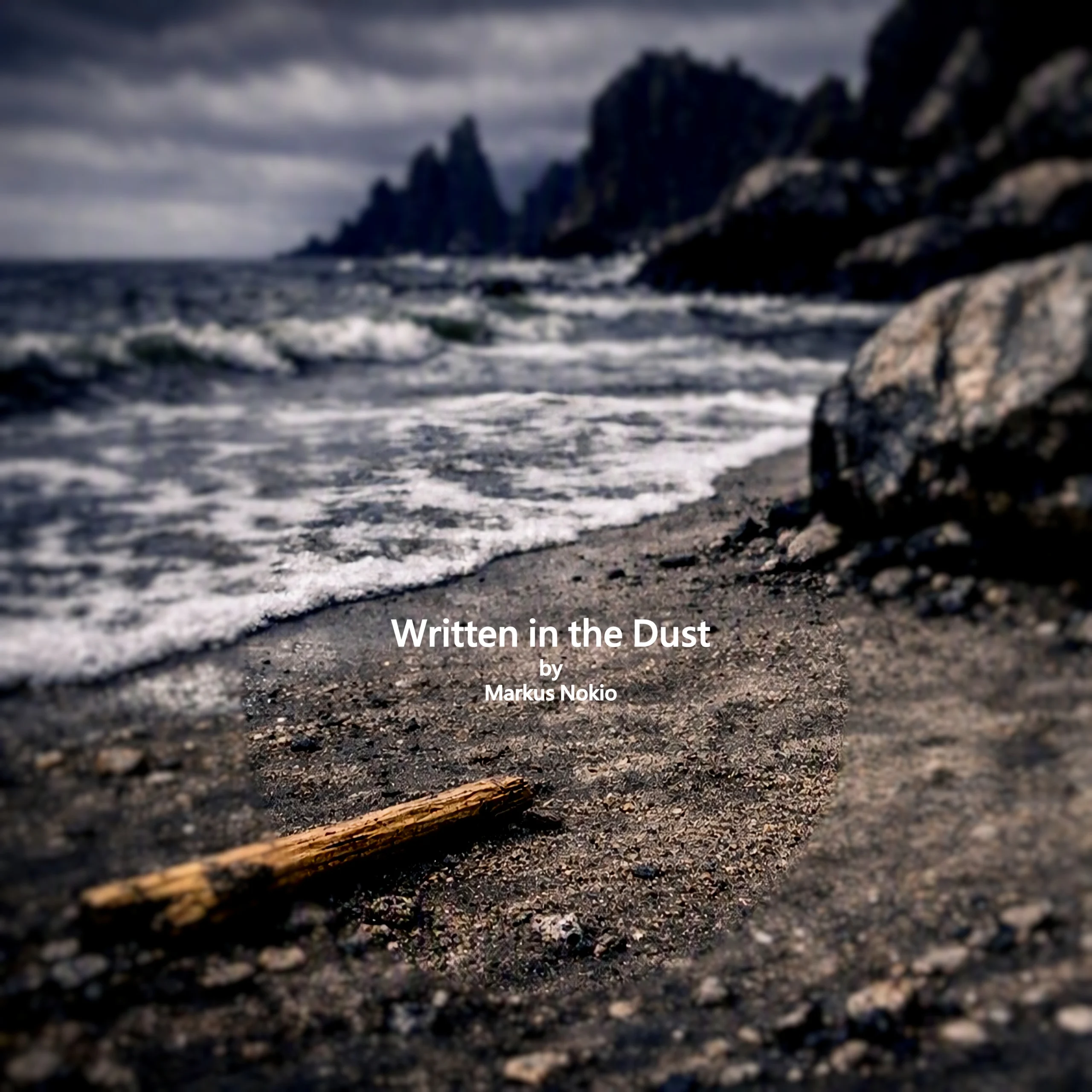
Nokio is a composer who writes to picture. A scene arrives first, and then the music has to fit it. However, on the new single, released on 15 October 2026, the decision runs the other way. There is no film to score. Instead, the music carries a spoken voice, and the voice carries the story.
Nokio describes the single as a deeply personal project. It joins a background in cinematic composition to a narrative spoken-word style. The release also names a clear reference point for that style. That reference is the American musician Cassandra Jenkins. Jenkins built her 2021 album An Overview on Phenomenal Nature around passages that move between singing and speaking. So listeners who know that record will understand the territory Nokio is aiming for.
The background behind the decision is also unusual. Nokio is a self-taught pianist and composer from Finland. Two years ago, the instrumental single The Orphan drew reviews from Good Music Radar and the Brazilian blog INDIEOCLOCK. Both wrote about its emotional weight and its piano writing. Since then the releases have come steadily.

Written in the Dust Brings a Narrated Voice Into the Cinematic Writing Nokio Built on Film Contests
The single runs two minutes and 30 seconds, and Nokio released it independently. That length is worth noticing. It is close to the length of the cues Nokio writes for film contests. There, a piece has to set a mood, make its point and then step aside for the next scene.
What changes here is the role of words. In a film score, the music usually sits under dialogue or under silence, and the story belongs to the picture. On Written in the Dust, however, the spoken voice moves into the space the picture would normally fill. The music becomes the setting, and the narration becomes the scene.
That approach has a strong tradition behind it in modern classical music. Fans of Max Richter will think of The Blue Notebooks from 2004. On that album, readings sit over piano and strings, and the words give the music its shape. Nokio works on a smaller scale, in a single rather than an album. Still, the idea is related: composition as a frame for a voice.
The release also caps a busy year. In 2026 alone Nokio put out Flag Carrier (In Metal) in February, Superhero in March and Face Your Fears in May. Next came the six-track Revelations in July, Like Roses in Wind in August and All We Ever Need in September. Written in the Dust is the newest step in that run, built this time around spoken word.

What a Spoken Word Single Answers for a Composer Who Usually Writes Under Other People’s Scenes
Every film cue answers somebody else’s question. The director has a scene, the scene needs a feeling, and the composer supplies it. Nokio has done that work in public, again and again. For example, the contest entries include The Giant and the new score for A Grade Students.
Written in the Dust answers a different question. What does this composer want to say when nobody hands over a scene? On this release, the answer is a story told directly. Meanwhile, the music takes a supporting role, one that Nokio knows well from the other side.
Nokio presents the single as a challenge to the usual conventions of contemporary classical music. It is also a piece for listeners who want depth and story from what they hear. Those listeners are the audience the release is built for. It asks them to follow a voice, with the composition shaping the room around it.
Stream Written in the Dust and Follow Markus Nokio on Spotify, YouTube, SoundCloud and Instagram
From the NewMusic.News Curator Team: “Two and a half minutes is the length of a film cue, and Written in the Dust keeps that discipline. Nokio has written the music the way a scene would need it. Then the voice takes the place of the picture.”
For listeners curious about cinematic composition with room for spoken word, Written in the Dust is a good place to start.
Press play on the Spotify player at the top of the page for the single. Then go further into the catalogue on Spotify, Apple Music, YouTube Music and SoundCloud. The contest scores sit on the composer’s YouTube channel. Follow Markus Nokio on Instagram, Facebook, TikTok and Threads, or find every link in one place on Linktree.