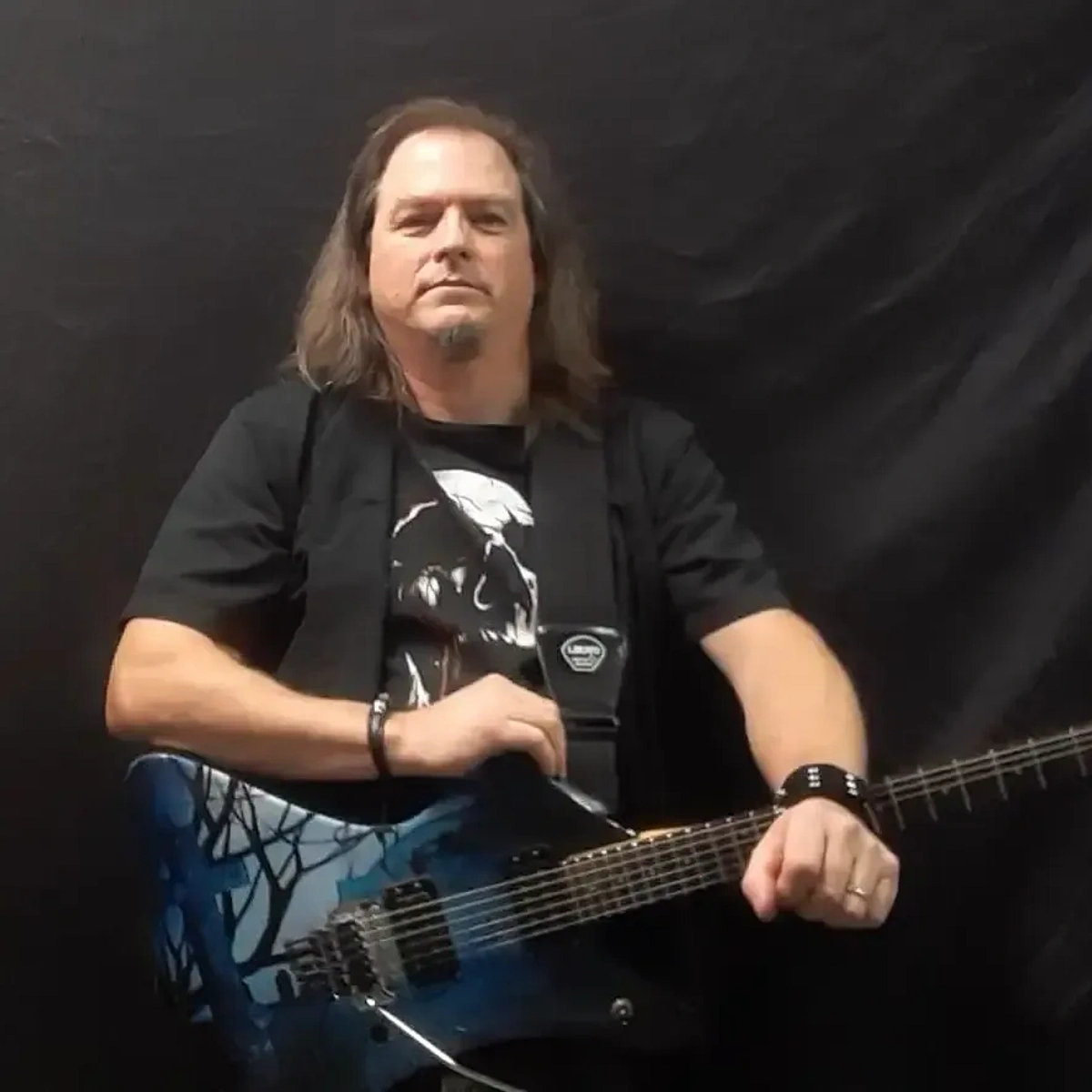
Markus Nokio the Orphan and the Violin That Answers the Piano
A Self-Taught Finnish Composer and the String Line That Opens up a Solo Piece
Markus Nokio built The Orphan around a single decision, and two reviewers found it independently. Writing five days apart, in different countries and different languages, both stopped at the same place. Not the opening piano figure, which circles quietly under everything. They stopped at the moment a violin enters over it. That kind of agreement between strangers usually points at a decision rather than an accident.
Markus Nokio’s music is in the playlist below, and his full coverage history sits on his artist profile. The Orphan reached this desk through PopHits.Co Music Charts, which verifies independent artists and places their releases across its network of music news desks. Press play, then read on.

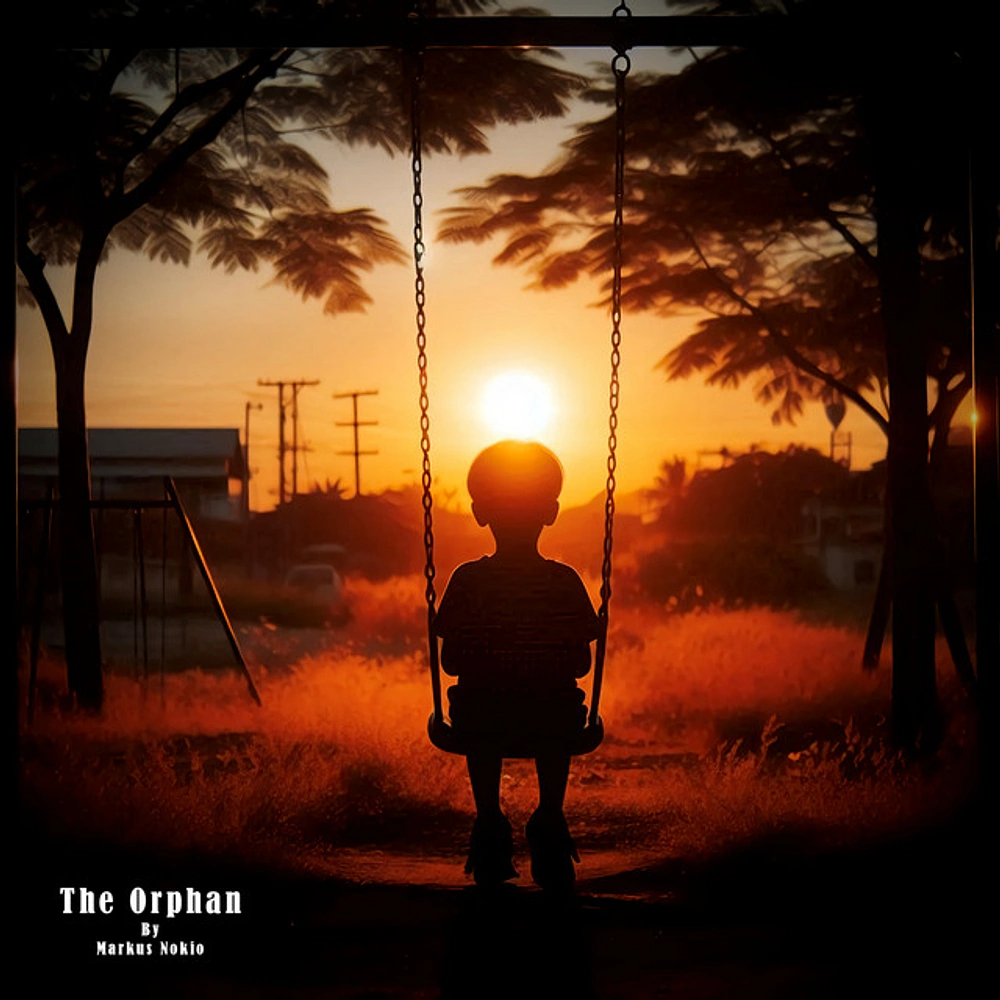
The Moment Markus Nokio Built The Orphan Around
Nokio taught himself to compose, works out of Finland, and describes what he does in plainly commercial terms: music for media, television, film and games. That detail explains a good deal about The Orphan. Writing to picture teaches a particular discipline. You learn to hold one line steady while something else moves against it. You also learn that a second voice entering is an event, and that a listener feels it whether or not they can name it.
The Orphan runs on exactly that principle. The piano underneath holds a continuous melody, which Good Music Radar described as flowing at the base like a river. On purpose, it does not do very much. It is a bed. The violin, when it arrives, does not compete with the piano so much as reply to it, and the piece opens outward from there. Nokio keeps faint vocal echoes behind the strings, far enough back that they read as colour rather than as singing.

The Year That Produced The Orphan
The Orphan did not arrive out of nowhere, and for its composer it was not a rare event. It went up on 9 October 2024 as his fifth release of that year. Earlier singles included Love, Rage and Misery and After It’s Too Late. Five pieces in ten months is a working pace rather than a careful one, and that changes how you hear this one. Markus Nokio writes steadily and puts the results out. So The Orphan reads less as a statement than as an entry in a run, and the run is where the craft accumulated.
People use the self-taught label loosely, so it is worth being precise about what it buys and what it costs. Nokio writes, by his own account, about his experiences in life, and the titles match. A conservatory would have handed him a vocabulary for the thing he does anyway. Its absence left him incurious about the rules governing what a contemporary classical piece ought to withhold. The Orphan is unembarrassed about its feeling. It states a mood early, then deepens it rather than complicating it, which is a choice a more schooled writer might have talked themselves out of.

Where The Orphan Sits, and What Markus Nokio Answers With It
Contemporary classical is a wide and slightly awkward label. It covers severe modernism at one end and piano music written for headphones at the other. The Orphan belongs firmly to the second group, and its neighbours are easy to name. Listeners who have spent time with Ludovico Einaudi will recognise the method: hold a simple figure, and let repetition do the work that harmonic surprise does elsewhere. Anyone who follows Ólafur Arnalds knows the particular pleasure of a string line entering over a piano that has already established the room. And Max Richter has spent a career showing that a piece built to be usable in film still works with nothing on the screen.
That last point is the one The Orphan answers most clearly. Critics often dismiss music by composers who score to picture as merely functional, as though supporting a scene were evidence of thinness. Both reviews argued the opposite. Both reached for stories rather than for other records to do it. Good Music Radar heard Oliver Twist and Annie. INDIEOCLOCK, writing in Brazil, described walking through empty woods, and found something medieval in the harmony between the violin and the keys. Nobody prompted either reading. That both writers went looking for a narrative suggests the piece supplies one.
NewMusic.News’s curator team: “The interesting thing about The Orphan is how little it spends. One piano figure, one violin answering it, and some vocal colour kept well back. A composer with more training might have added a development section and lost the whole effect. Markus Nokio trusted the entrance to carry it, and it does.”
Where to Hear The Orphan and Follow Markus Nokio
The Orphan is on Spotify, and the wider catalogue sits on the Spotify artist page, on Apple Music, on YouTube Music and on SoundCloud.
For the working side of things, which for a composer who writes to commission is most of it, Markus Nokio posts to YouTube, Instagram, Facebook, TikTok and Threads.