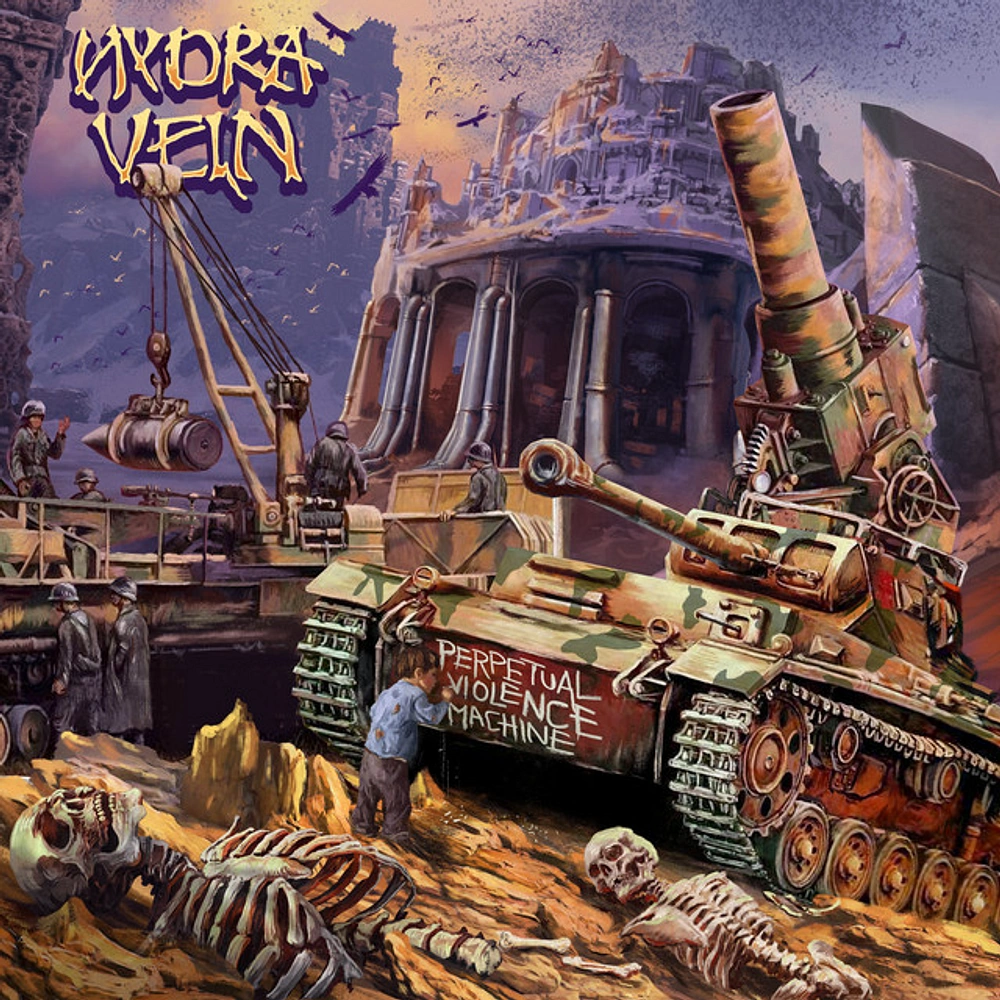
Perpetual Violence Machine: How Hydra Vein Turned One Last Show Into A Third Act
A Brighton Thrash Band Reformed for One Night in 2020 and Never Actually Stopped
On 29 February 2020, Hydra Vein walked onto a stage at Newcastle University for the first time in more than thirty years. The show was not a comeback. It was meant to be a goodbye, and the band said so plainly at the time. Five years later there is a new EP. Perpetual Violence Machine runs five thrash tracks and roughly twenty-three minutes, out on Iron Shield Records.
Five tracks by Hydra Vein sit on the playlist below, and the band’s artist profile records what these titles have published on the thrash group. Perpetual Violence Machine was logged with this network by PopHits.Co Music Charts, the vetting scheme that verifies independent artists and places their releases across its network of music news desks. Play it straight through, then read what changed.

Before Perpetual Violence Machine, Hydra Vein Reformed To Say Goodbye
Hydra Vein formed in Brighton in 1987 around bassist Damon Maddison and his brother Nathan on drums. Two records followed, in 1988 and 1989, and then the band stopped. Most British thrash groups of that decade stopped around the same time. They had never found the label support their American and German contemporaries enjoyed.
What brought them back was not a label offer. It was a pub conversation with Stu Bartlett, who promotes Brofest. That Newcastle festival is built around veterans of the new wave of British heavy metal, plus the younger bands who returned to that material. The Maddisons had been going for years as paying customers.
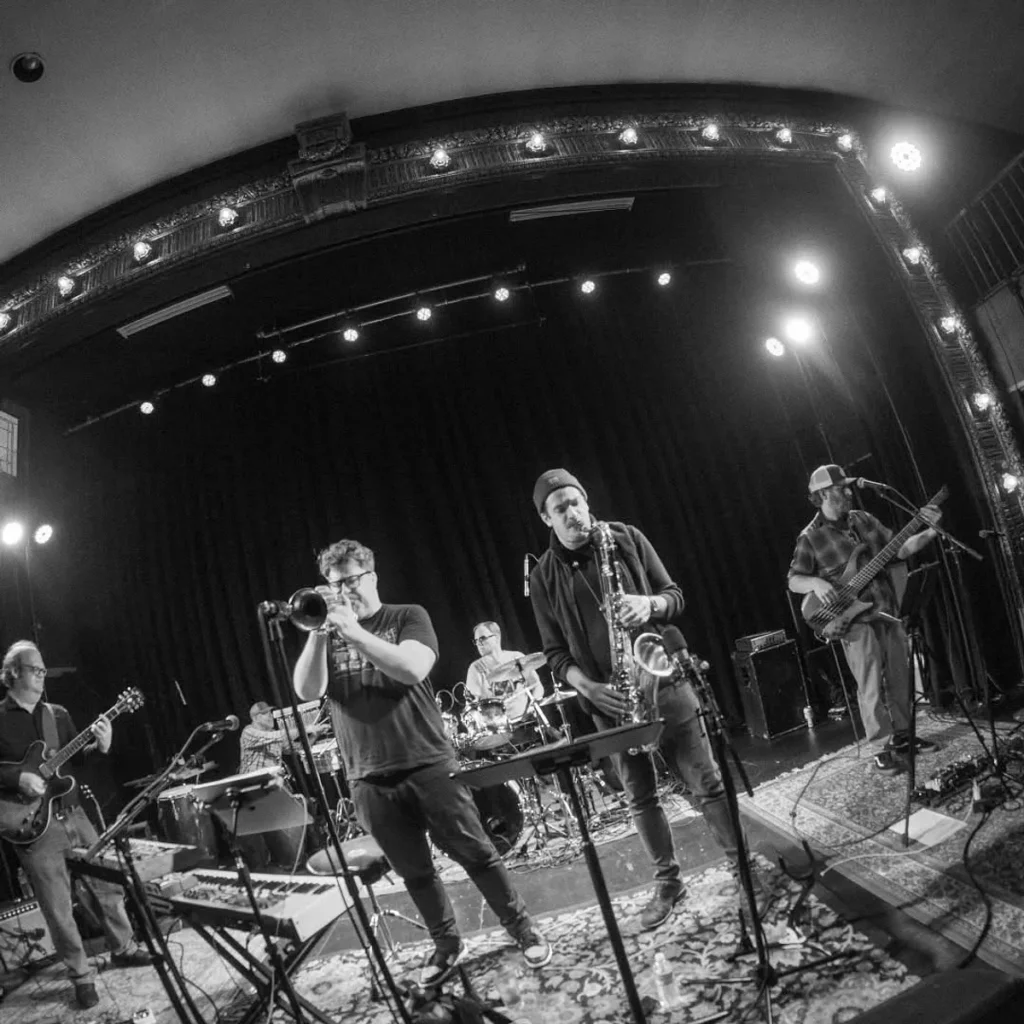
The reunion also had a specific purpose, and it was not commercial. Guitarist Jon Balfour, who played on the second album, died in 1992. The band’s original singer, Mike Keen, died in 2003. The Brofest set became a tribute to both, and the line-up reflected that. The Maddison brothers played alongside guitarists Stephen Davis and Dan Ranger from the first record, Paul Bate from the second, and singer James Manley-Bird. It read less like a booking than a gathering of everyone still around to play the songs.

Nathan Maddison explained the thinking to RushOnRock in the days before the show.
“For me personally, it is to put a line under Hydra Vein, to properly sign off with those old tunes and a celebration of the memory of Mike and Jon.”
He was blunter later in the same conversation: “We thought it would be fun to bring the curtain down properly and to pay tribute to the guys who are no longer with us. Closure, I suppose.” The piece recorded, plainly, that there were no plans for a follow-up performance.
That sentence is worth sitting with, because everything after it happened anyway.

What Perpetual Violence Machine Answers About A Band That Meant To Stop
The EP arrived in October 2025 on Iron Shield Records. The band recorded and mixed it at IJland Studios in Amsterdam, across March and May of that year. Five tracks: Perpetual Violence Machine, Iron Men, Black Slammer, Strive For Life and A Thousand Forms of Fear.
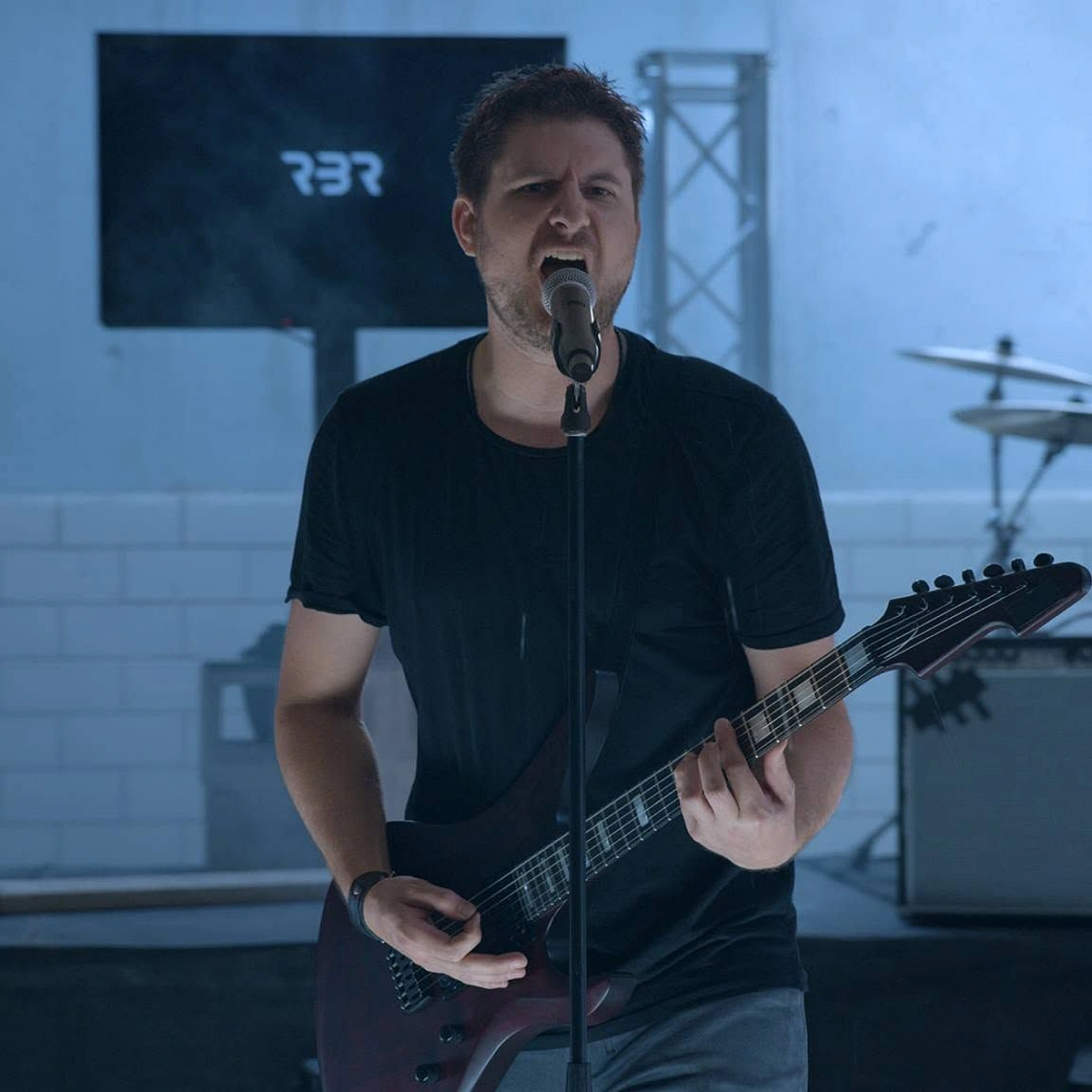
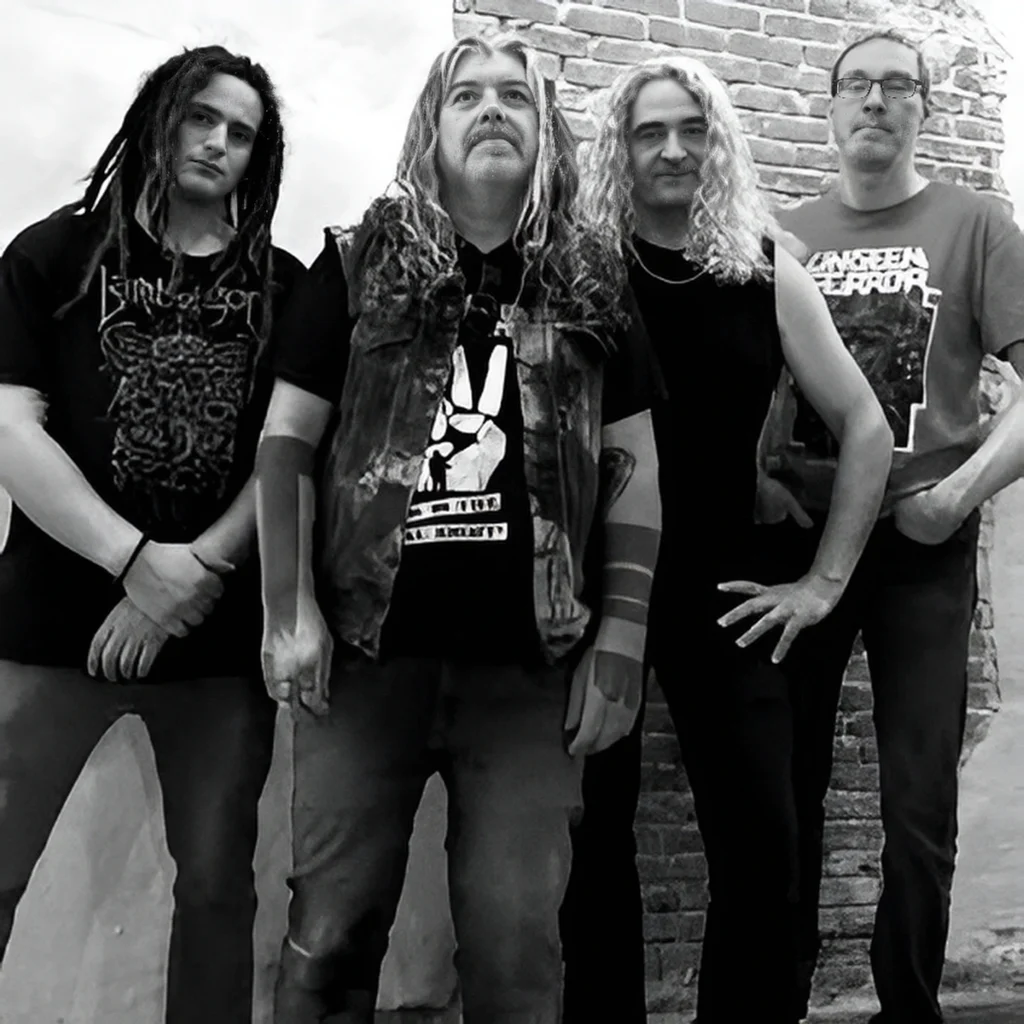
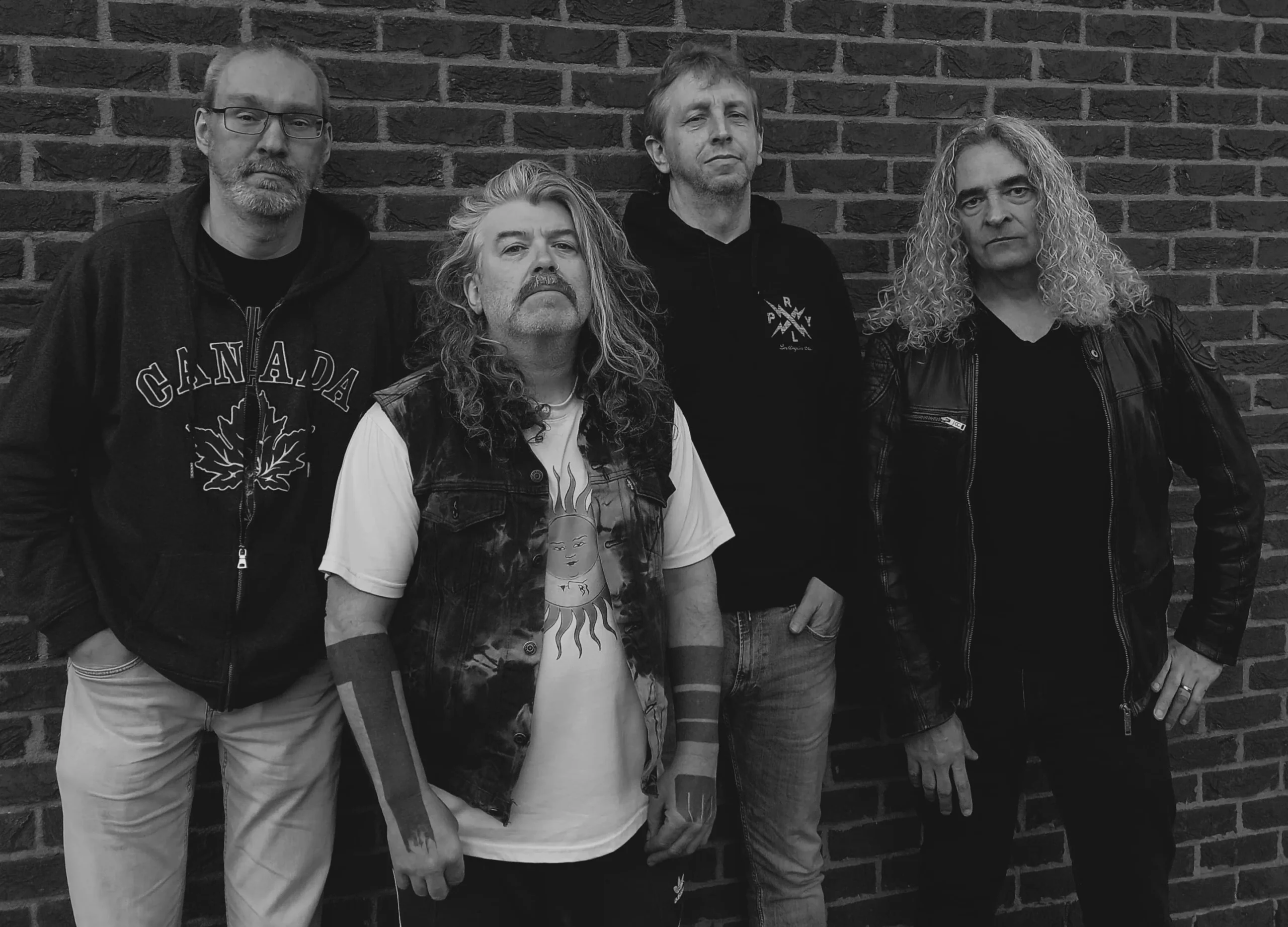
The line-up is not the one that stood on the Brofest stage either. Damon Maddison is the constant. Around him now sit Ross Curry on vocals, Henry Pol on guitar and John den Buitelaar on drums. That makes this less a legacy act touring its own back catalogue, and more a working band carrying an old name.
So the EP quietly answers the question the 2020 show left open. A reunion staged as closure could easily have settled into an annual heritage booking. Instead the band wrote new material and recorded it in another country with a different singer. They also kept it short enough that nobody could mistake it for a victory lap.
The reference points here are domestic rather than American. Listeners who follow Onslaught or Xentrix will recognise what Hydra Vein are doing. Those are the other British thrash bands of that generation who came back and then kept working. It is a scene that never got its own Bay Area moment and has spent the last decade quietly assembling one anyway.
Where To Hear Perpetual Violence Machine And Follow Hydra Vein
NewMusic.News’s curator team on why it earned a slot:
“Most reunions are about an audience. This one began as a farewell for two friends who had died, and turned into new material almost by accident, which is a stranger and far more interesting reason for a band to still exist.”
You can hear the EP on Spotify and Bandcamp, or across Apple Music, Deezer and Amazon Music. The full EP is also streaming on YouTube.
Keep up with the band on Facebook and Instagram.