
indie music blog

The Long Way to CRYING STARS: Alex Shkudun on a Year of Poems, Piano and Three Languages

A Ukrainian Songwriter Looks Down on Fallen Empires, Floods and Towers From the Night Sky

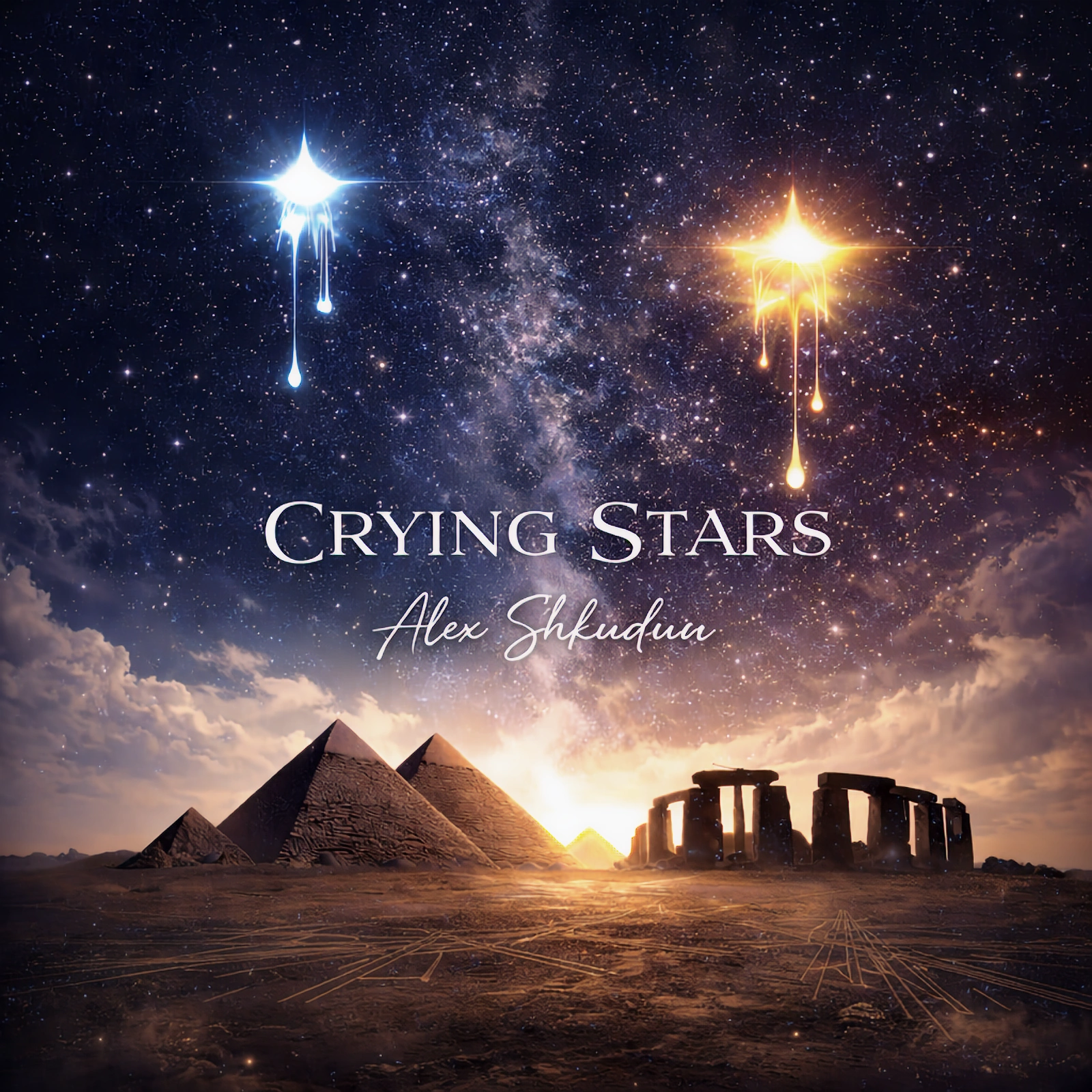
Before CRYING STARS existed, Alex Shkudun had to decide who its hero was and where the story would stand. He chose to stand nowhere on the ground at all, and handed the point of view to the stars, silent witnesses to war, fear and broken promises. The cinematic pop ballad came out on 3 April 2026, and it grows from piano-driven verses into a full orchestral chorus.

Alex Shkudun’s CRYING STARS sits in the playlist below with the pop and singer-songwriter records this desk returns to. His coverage so far is gathered on his artist profile. The single reached NewMusic.News through PopHits.Co Music Charts, which verifies independent artists and places their releases across its network of music news desks. Press play, then stay with the story of how it was made.

The Long Way to CRYING STARS: Alex Shkudun on a Year of Poems, Piano and Three Languages

A Notebook of Poems, a Year of Experiments and How Alex Shkudun Arrived at CRYING STARS

Shkudun is a Kyiv-born Ukrainian songwriter now based in Spain, and his own website reads like a long notebook. He has written there that he loved writing poems and stories from childhood. Some of those texts sat in notebooks for years. What changed, by his account, was the arrival of AI music tools about a year before the summer of 2026. For the first time, he could hear his own lyrics as finished songs.

He is careful about where the line sits. The tools can offer a melody, an arrangement or a voice, he writes. However, they cannot decide what the song is for, or what a listener should feel after the last chord. So before any of that, he works out the hero of the song, their conflict, their past and their state of mind. Sometimes a single line comes first. At other times it is the closing scene of a video he has not made yet.

Alex Shkudun released CRYING STARS in the middle of a steady run of singles. Trust Destiny came out in March, No Time in May, and KYIV AFTER MIDNIGHT in June. This one is the most direct about its purpose. Shkudun describes it as a humanitarian plea rather than a political argument. It is written from above, instead of from one country, one conflict or one generation.

Piano Verses, Atmospheric Synths and an Orchestral Climax

The arrangement follows the argument. The verses are led by piano, with atmospheric synths gathering behind them, and orchestral swells then carry the song into a large chorus. Across four minutes and forty-three seconds, it moves from quiet reflection toward a final climax. In effect, it is the musical version of a camera pulling back from one street to the whole map.

The imagery is old on purpose. Fallen empires, ancient monuments, floods and towers stand in for every period that thought it had learned something. Meanwhile, the stars watch children learn fear before they should ever have to, and that detail gives the song its weight. On 10 May 2026 he also added an official video on YouTube, credited as written, created and produced by Shkudun and brought to life with AI.


Watch the video and check the artist’s YouTube channel for more.

The Long Way to CRYING STARS: Alex Shkudun on a Year of Poems, Piano and Three Languages

What CRYING STARS Asks About Progress and Why Its Answer Is a Plea for Children

The question at the centre of the song is a simple one. If people keep repeating the same patterns, does progress mean anything at all? Seen from the stars, the usual sides disappear, so the song cannot pick a winner. Instead, it lands on the one thing everybody below can agree on: the violence has to stop before another generation of children pays for it.

That move has a long history in pop. John Lennon wrote Imagine in 1971 and asked listeners to picture a world without borders between nations, over a plain piano part. CRYING STARS borrows that wide frame and turns it toward history rather than utopia. Sting offers a second reference point. His 1987 song Fragile is a quiet lament about how little violence achieves, and he also sang it in Spanish and Portuguese for the 1988 EP Nada como el sol.

One Song in Three Languages

That last detail matters here, because Shkudun works the same way. In July 2026 Alex Shkudun released CRYING STARS again, in Ukrainian on 4 July and in Russian on 31 July. He has written that a language version is never a literal translation. Each language has its own rhythm, word length and stress, so lines, rhymes and even some images have to change before the song sounds natural. As a result, the plea reaches three audiences in their own words.

Who CRYING STARS by Alex Shkudun Is For

This is a song for listeners of cinematic pop and big emotional ballads who want the lyric to carry a real question. It suits anyone drawn to socially conscious music about history, war and children, and it does so without asking them to take a side. It will also interest listeners who are curious about how songwriters use AI tools while keeping the words, the concept and the creative direction in their own hands.

From the NewMusic.News Curator Team: “What stays with us is the vantage point. Most songs about conflict are written from inside one side of it. CRYING STARS is written from a distance where the sides stop mattering, which is why its request to protect children sounds like common sense rather than a slogan.”

Where to Hear CRYING STARS and Follow Alex Shkudun

Stream CRYING STARS on Spotify, Apple Music or YouTube Music, or start with the official video above.

Follow Alex Shkudun across platforms:


Inside Ghosts: How Abby Power Built a London Rap Single About Staying Yourself with SamXVI

A London Rapper and Her Long-Time Producer Turn Self-Discovery and Illusion Into Emo Rap

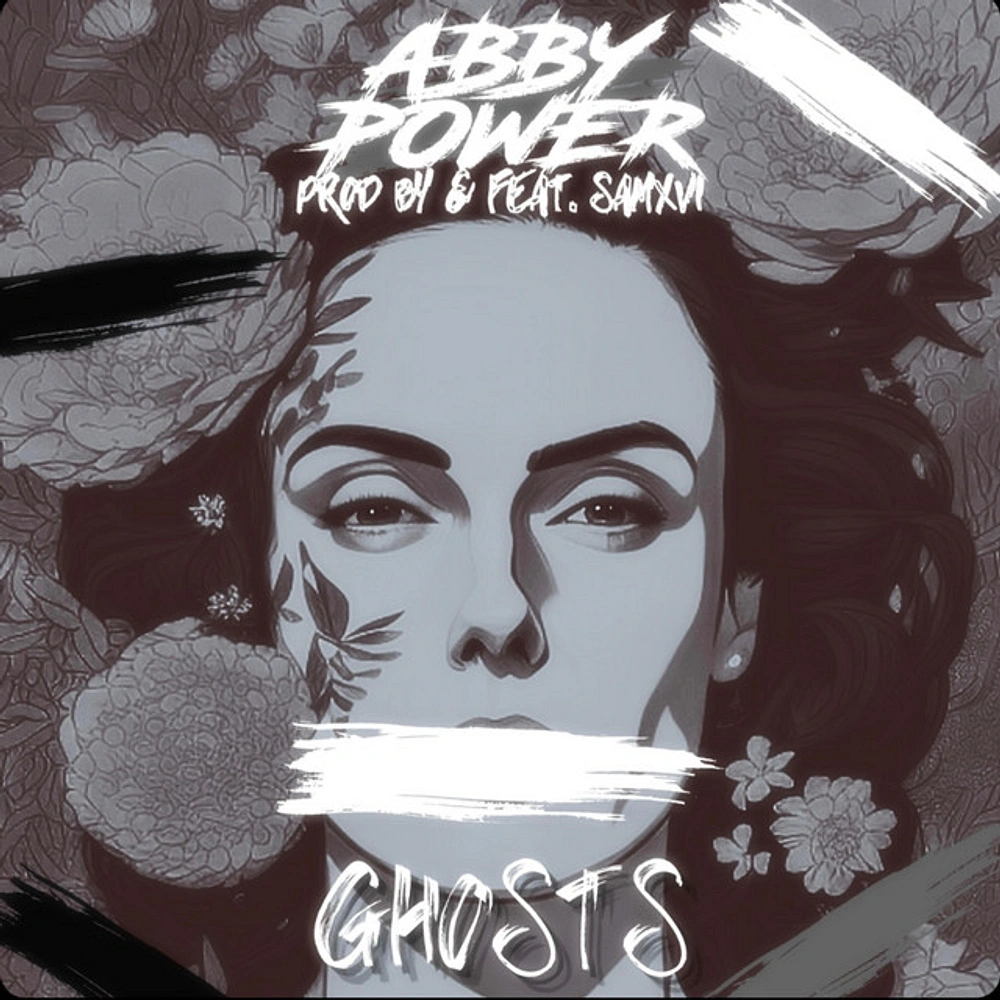
Abby Power wrote and performed every lyric on Ghosts, while SamXVI produced, mixed and mastered it and added the backing vocals behind her. Released on April 26, 2024, the single blends emo rap, hip-hop and political hip-hop around one question. How do you stay yourself in a world full of illusions?

Abby Power’s Ghosts sits in the playlist below with the conscious hip-hop and producer rap this desk keeps close. The Abby Power profile keeps all of the coverage in one place. The single reached NewMusic.News through PopHits.Co Music Charts, which verifies independent artists and places their releases across its network of music news sites. Give it a spin, then keep reading for the story of how it was made.


Inside Ghosts: How Abby Power Built a London Rap Single About Staying Yourself with SamXVI

Ghosts by Abby Power Gets a Second Life on Her New EP, Due on October 23, 2026

The timing of this feature is no accident. Ghosts is being re-released on Power’s latest EP, which arrives on October 23, 2026. She expects that to give the song a second life. The EP is What The Fire Couldn’t Take, credited to Abby Power x SamXVI, and its artwork lists Ghosts as track nine of ten. Her Linktree already carries a pre-save for it.

That makes this a good moment to look back at where the song came from. First of all, Power has been writing since she was 14 or 15 and recording since she was 16, she told Artistic Echoes in 2022. She was signed to an independent label at 17 and stepped away from music at 21. Then she came back during the 2020 lockdown. The same interview marked her win in the Syncr Music Competition with Shades of Blue. Earlier, in February 2021, BBC Radio London had played her single Thoughts of an Artist on The Scene with Amelia Poamz, where she talked about her work on air.

Since that return, however, SamXVI has become her most frequent collaborator. Her Bandcamp page lists his production on Free Palestine, Problems, Savage, Glass House, Same Poor and Chargie!, and Ghosts belongs to that same run of singles.

The Credits Behind Ghosts and the Song’s Fight to Stay Authentic Among Illusions

The credits split the work cleanly. Power wrote and performed the lyrics and the hook. SamXVI produced, mixed and mastered the track and sang the backing vocals. In other words, one voice carries the argument and another stands just behind it, which suits a song about holding on to yourself.

Meanwhile, Power’s own description of the song is direct. Ghosts deals with the complexities of self-discovery and the struggle to stay authentic in a world full of illusions. It is introspective first, yet it never drifts far from the sharp social commentary that runs through her work. Her catalogue shows the same instinct elsewhere, most plainly on Free Palestine.

Writing From the Bedroom for Listeners Who Feel the Same

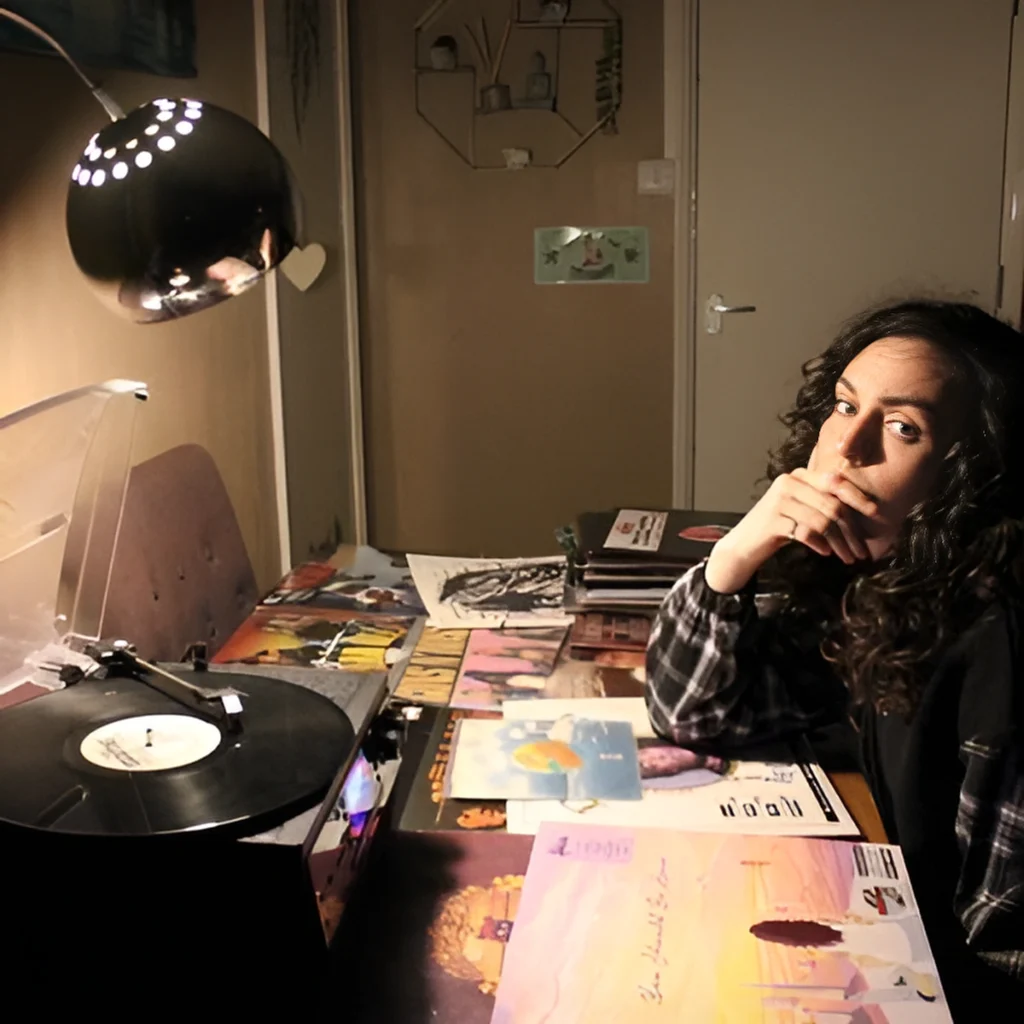
In fact, almost all of her music is recorded in her bedroom, she told Folded Waffle in April 2024. In the same spotlight, the North West London artist said she writes from her own perspective. Sometimes she is talking to herself and sometimes to the audience, but she always aims to reach someone who can relate and realise they are not alone.

The single did not wait long for a response. Four days after release, The Wild Is Calling picked it up in a Hip Hop Discovery round-up. The writer described her as swift and catchy, with a percussive cadence, and noted that she moves into a sung voice for the chorus sections. The piece also added Ghosts to its Best Hip Hop 2024 playlist.

Watch the video and check the artist’s YouTube channel for more.

Inside Ghosts: How Abby Power Built a London Rap Single About Staying Yourself with SamXVI

What Ghosts Answers for Listeners Who Want Emo Rap Honesty With a Hip-Hop Backbone

The question Ghosts asks is one plenty of listeners carry around: how do you stay yourself when everything around you rewards a performance? Its answer is not a slogan. Instead, it is a set of verses that admit the struggle and a delivery that moves between rapping and singing as the feeling demands.

That switch is the clearest link to the influences The Wild Is Calling listed for her. Lauryn Hill made moving between bars and melody inside a single song feel natural on The Miseducation of Lauryn Hill. Meanwhile, Mos Def showed on Black on Both Sides that conscious rap could be reflective and personal rather than preachy. Ghosts works in both of those registers at once.

Who Ghosts by Abby Power Is For

This is a song for listeners who came up on emo rap’s openness but still want the discipline of a real verse. It also suits fans of UK rap who prefer introspection to bravado. Likewise, it suits anyone who follows underground hip-hop for the writing. Finally, it is a strong entry point into her catalogue ahead of the new EP. Because so much of that catalogue was built with SamXVI, Ghosts works as a fair sample of the partnership at its most reflective.

From the NewMusic.News Curator Team: “What we keep returning to on Ghosts is how the credits mirror the subject. Abby Power wrote and delivered every word herself, and SamXVI built the world around her, from the beat to the backing vocals to the master. For a song about staying yourself among illusions, that clear line between author and architect is part of the point.”

Where to Stream Ghosts by Abby Power and Follow the North West London Rapper

Start with the official visual above, then hear Ghosts again on Bandcamp, where every credit is listed. Before October 23, you can also pre-save the new EP so the second life of the song lands in your library on release day.

Follow Abby Power across platforms:


Brett Miller on Self-Doubt, One Second of Hope and the Making of Heaven

A South Florida Songwriter’s 2021 Single Turns Self-Doubt Into a Hopeful Acoustic Pop Refrain

On January 15, 2021, Brett Miller released Heaven, with its official video live on YouTube from midnight Eastern time. The acoustic singer-songwriter single opens on a plain admission, a man asking why he is scared to show his cards. From there, it spends just under four minutes talking him out of his own way. Five years on, Miller has returned to it as the track to lead with. Its question, what a life without regrets would take, still reads clearly.

Brett Miller’s Heaven sits in the playlist below with the singer-songwriter pop this desk keeps returning to. The full run of coverage sits on the Brett Miller profile. The single reached NewMusic.News through PopHits.Co Music Charts, which verifies independent artists and places their releases across its network of music news desks. Press play once, then keep reading for the story behind the song.


Brett Miller on Self-Doubt, One Second of Hope and the Making of Heaven

Brett Miller Released Heaven in January 2021, the Year He Left New York for His Home State of Florida

By the time Heaven came out, Miller had spent four years releasing his own music. He started in 2017 with the Something Beautiful EP. A year later, while living and performing around New York City, he opened for Social House. He also opened for Zara Larsson at the Nassau Coliseum on Long Island. His official biography then marks 2021 as the year he left New York for his home state of Florida. So Heaven sits right at the turn between the city years and the Florida ones.

The single also arrived finished. Chaz Mazzota filmed and edited the official video, which went out on release day. The description beneath it carried the complete lyric for anyone who wanted to follow along. Less than two weeks later, Miller’s own brettmillerlive account added a chord chart for the song to Ultimate Guitar. The chart sets a capo on the first fret and keeps to standard tuning. Its verses rest on three familiar shapes: G, E minor over B, and Cadd9.

Fans of Jason Mraz will know those shapes. Guitarists usually play his I’m Yours with the same G, D, E minor and C forms. They just put the capo higher up the neck. In other words, the chart invites you to play the song as well as hear it.

The Pre-Chorus Where Heaven Turns Self-Doubt Into an Instruction to Get Out of His Own Way

The song builds itself around a short moment. The chorus asks for a single second of imagination. That second is long enough to picture a life with no regrets, full of magic and free of tragedy. Miller is honest about the resistance waiting on the other side. The world, he sings, will try to shut him down. But he only loses if he lets it. Heaven in this song is therefore a decision rather than a destination.

The Verses Brett Miller Wrote So the Chorus of Heaven Could Land

What makes that chorus land is the honesty of the verses around it. The first verse describes years of talking to himself. Those years have turned him into someone else, a stranger playing a part. Next, the pre-chorus admits his head is getting hazy. He does not know which way to go. Then the song makes the turn that drives it: he needs to get out of his own way, right now. He cannot keep lying to himself either. The second verse goes further still and describes a mind in disguise as a hero. That is the kind of inner voice that sounds helpful while it keeps you exactly where you are.

By the bridge, the language has narrowed to almost nothing. Only one way, he repeats, only one way to go. After two verses of second-guessing, that repetition sounds like a man finally agreeing with himself. The harmony shows the same restraint. The verses circle three shapes, while the chorus lifts from Cadd9 to G to D. It also hangs briefly on a Dsus4 under the line about a life with no regrets, and then it resolves.

The song has kept a life on stage, too. In December 2024, a YouTube clip showed Miller playing it acoustically at The Garden Room in Nashville. It is a sign that Heaven kept its place in his live sets long after release.

Watch the video and check the artist’s YouTube channel for more.

Brett Miller on Self-Doubt, One Second of Hope and the Making of Heaven

What Heaven Answers for Listeners Who Love Acoustic Singer-Songwriter Pop With a Hopeful Streak

The question Heaven asks is one most listeners recognise: how do you stop standing in your own way? Its answer is practical rather than mystical. First, you picture the life you want for one second. Then you accept that the world will push back. Finally, you refuse to be the one who gives up first. Miller frames that answer in the blend he has made his own. It joins acoustic singer-songwriter intimacy with contemporary pop sensibilities. As a result, the song carries the weight of a confession and stays easy to sing along to.

The same conviction runs through how Miller talks about his work. In a 2024 interview with Shoutout Miami, he called playing it safe the bigger risk. In a 2022 conversation with CanvasRebel, he explained how he built a full-time life in music. That life rests on performing, songwriting and the original releases he has put out since 2017.

Who Heaven by Brett Miller Is For

This is a song for listeners who like acoustic pop that says hopeful things plainly. Anyone drawn to Andy Grammer will recognise the intent. His Keep Your Head Up turned a pep talk into a pop chorus about a decade before Heaven. It also suits guitar players looking for an intermediate song with a real lyric to sing. The chart sits at that level and needs nothing more than a capo.

From the NewMusic.News Curator Team: “What we keep returning to is where Miller places the title. The verses never describe Heaven. It arrives only as the last word of each chorus, after the pre-chorus admits he cannot keep lying to himself. So the reward always follows the confession. That order is a small songwriting decision, and it is why the hopeful ending feels earned.”

Where to Stream Heaven by Brett Miller and Follow the South Florida Singer-Songwriter

Start with the official video above, with the full lyric open in its description. Then let the single sit in your rotation for a few days. Heaven is also on Apple Music, and the release has its own page on Spotify.

Follow Brett Miller across platforms:


Inside Proceed 2: How Kennard Built a Baltimore R&B Album From Loss and Patience

A Baltimore Singer Spent Two Years on Eight Songs About Grief, Love and Old-School Soul

In 2011, after his grandmother died, Kennard thought about giving up music. He kept going instead, and the word he chose for that decision became a personal movement: proceed. Proceed 2, the eight-track album Kennard released on 22 August 2025 after two years of work, carries that name and mixes R&B, neo-soul and hip-hop.

Kennard’s Cater 2 U, Pt. 2 opens Proceed 2 and now sits in the playlist below with the desk’s other R&B and neo-soul picks, while Kennard’s artist profile keeps the full run of coverage. The album came to this desk through PopHits.Co Music Charts, which verifies independent artists and places their releases across its network of music news desks. Press play before you read on.


Inside Proceed 2: How Kennard Built a Baltimore R&B Album From Loss and Patience

Thirteen Months On, Kennard and Proceed 2 Still Carry the Movement He Started in 2011

Thirteen months later, the album is worth hearing again, and the timing makes sense. The Baltimore singer performs regularly in New York and has played events in Philadelphia. He has also named his next project, East vs West, featuring the Los Angeles musician Jamonie Lee. Until that arrives, Proceed 2 is the clearest statement of where he stands.

A Movement Named Proceed and a Debut Single in 2022

The recorded catalogue starts later than the movement. His debut single, 1 Life, came out in January 2022. Hello, Lay You Down, Good Time, Confused and All in My Mind followed across 2022 and 2023. Proceed 2 is the first album in that run, and he took his time with it. His own notes on the record put it plainly: Rome was not built in a day, and music is an art, so there is no reason to rush it.

Eight Songs Recorded at Wright Way Studios in Baltimore, With One Guest Verse From Jamonie Lee

The record runs for about 22 minutes across eight songs. It opens with Cater 2 U, Pt. 2, the shortest track at just under two minutes. Then it moves through Keep Me Company, Simple Things, True Colors, Maintenance, Feel Good Music and Rain before closing on I Just Gotta Know.

The music sits where Kennard says his heart is. He has said he loves old-school music, its stories and its authentic feel, and that he set out to tell a story and bring back the good old R&B. Mesmerized heard that in smooth, bouncy R&B, with modern, tropical and afro-infused rhythms under 90s-flavoured melodies. The site also pointed to the contrast between Cater 2 U, Pt. 2 and Simple Things. Meanwhile, Senocular Media heard lush melodies and slick bass lines, and Mexico’s End Sessions covered the album in September 2025.

Grief, Patience and One Guest Verse From Los Angeles

The writing comes from life. Kennard drew on daily experience and on loss: his aunt died four years before the release, and his uncle the year before. Rain is where that grief sits closest to the surface. Elsewhere, the songs turn to love and to the simple things.

I Just Gotta Know asks a question anyone in a new relationship will recognise: is the other person in as deep as you are? Kennard told BuzzSlayers the song came from watching people move fast in relationships without getting to know each other first. It is also the album’s only collaboration. Jamonie Lee comes in for a verse and plays the other side of the conversation. Like the rest of the album, the track was recorded at Wright Way Studios in Baltimore.

Inside Proceed 2: How Kennard Built a Baltimore R&B Album From Loss and Patience

Why Proceed 2 Still Answers the Question Kennard Asked in 2011, and Where He Goes Next

The first answer is personal. Proceed 2 is what the 2011 decision looks like 14 years later: a singer who kept going, wrote through loss and took two years to get the record right.

The second answer is about lineage. Baltimore has its own R&B history, and Dru Hill is its best-known chapter. The group formed in the city in 1992 and found its audience in the late 1990s with singles such as In My Bed and Never Make a Promise, mixing soul, hip-hop soul and gospel. That 90s R&B is the sound Kennard says he wants back, and Mesmerized heard that decade in his melodies.

The third answer is about neo-soul. D’Angelo, widely regarded as a pioneer of the neo-soul movement, is the reference point for the warmer side of the record. Kennard works in the same blend, moving between R&B, neo-soul and rap across the album rather than switching once for effect.

So who is it for? First, listeners who grew up on 90s R&B and want new songs with the same storytelling. Second, neo-soul fans who like their albums short and personal. Finally, anyone in New York or Philadelphia who wants to hear these songs live.

From the NewMusic.News Curator Team: “Twenty-two minutes is a modest length for an album that took two years, and that is the point: Proceed 2 has no filler to skip. Start with Rain, then go back to the beginning and hear how the record gets there.”

How to Hear Proceed 2 and Where to Follow Kennard Across Every Platform

Play it in order, because the sequence moves from romance to grief and back to the question at the end. Then follow the singles back to 1 Life to hear where the movement started on record. The album is also on Apple Music.

Follow Kennard across platforms:


WIL.SON on One Guitar, a Stomp-Box and the Making of Blues Tourist: Vol. 1

A West Yorkshire Songwriter Records Eight of His Songs as He Plays Them Live

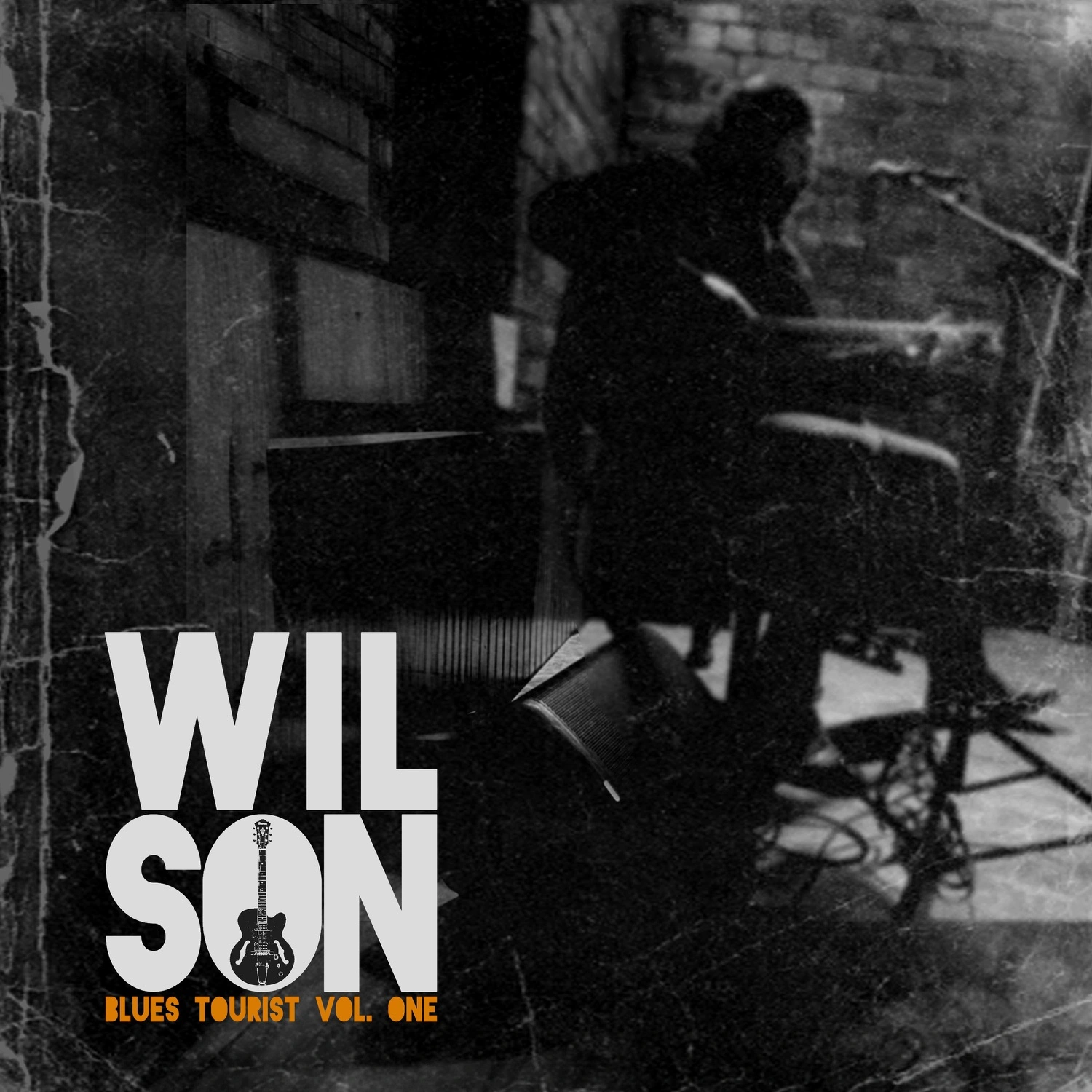
In June 2026, WIL.SON went back to an old song, and it became the first step towards Blues Tourist: Vol. 1. Devil On My Shoulder first appeared on Serpentine, his 2016 debut solo album. He recorded it again the way he plays it live: one guitar, his voice and a stomp-box, with no overdubs. Three weeks later, on 10 July, the West Yorkshire singer-songwriter applied the same rule to eight songs and had a stripped-back blues album.

WIL.SON’s Devil On My Shoulder, the opening song of Blues Tourist: Vol. 1, is in the playlist below, and his earlier coverage sits on his artist profile. The album reached this desk through PopHits.Co Music Charts, which verifies independent artists and places their releases across its network of music news titles. Give it a spin, then read on.


WIL.SON on One Guitar, a Stomp-Box and the Making of Blues Tourist: Vol. 1

Ten Years After Serpentine, WIL.SON Records Blues Tourist With Just One Guitar and a Stomp-Box

The timing makes sense. Ten years after Serpentine, WIL.SON has four studio albums behind him: Serpentine (2016), Afraid Of The World (2019), Black Is The Sky (2022) and Force Of Nature (2025). Every song on Blues Tourist: Vol. 1 comes from those records. This time, though, he kept only what he can play alone. The title also carries a volume number, which leaves room for more.

Three Decades of Writing Before One Guitar and a Stomp-Box

The decision also fits a long career. On his own site, WIL.SON says he has spent more than three decades writing, recording and performing. First came the 1990s live circuit with his band The Stand, including the Leeds venues The Duchess and The Cockpit. Later he formed the heavy rock band Down The Machine, signed with Ambicon Records and played Leeds Festival and Bingley Festival.

Meanwhile, he kept writing quieter songs. Those stripped-back acoustic tracks became the foundation of his first solo album. His first single as a solo performer, Closing In, came out in 2012. Since then he has played festivals across the UK, including The Great British Rhythm & Blues Festival. He has also shared stages with Toploader, and BBC Introducing’s Alan Raw has supported his music.

The blues thread runs back to the start, too. When the Spanish-language music site 120dB Bogotá covered Laying Low ahead of Force Of Nature, it described Serpentine as rooted in blues and alternative folk. The same article noted that radio stations from North Yorkshire to North Carolina had played songs from Black Is The Sky. It also pointed to the strings and piano around the guitar on Laying Low. Blues Tourist: Vol. 1 goes the other way.

Eight Songs From Serpentine to Force of Nature, Recorded Again With One Guitar and No Overdubs

The album opens with Devil On My Shoulder, the one song taken from Serpentine. Next come three from Afraid Of The World: Caught In The Rain, Coming Home and Snake And A Thief. After that, Black Is The Sky supplies three more, with Same Shit, Different Day, Don’t Wear Me Down and This Hell Of Mine. Finally, Don’t Get Me Wrong, first heard on Force Of Nature, closes the set in acoustic form.

The whole album runs for about 27 minutes, and no song passes four and a half minutes. Coming Home is the shortest at two minutes and 17 seconds, while Devil On My Shoulder is the longest at four minutes and 22 seconds. In other words, you can hear the set in one sitting and then follow each song back to its source album.

One Pass, One Guitar and a Foot on the Stomp-Box

The method is simple to describe. A stomp-box is a small box the player strikes with a foot, so it supplies the beat while both hands stay on the guitar. No overdubs means nothing was layered on afterwards. As a result, the guitar, the voice and the rhythm all come from the player in the room. On X, WIL.SON calls these recordings raw performances, caught as they happened.

His own site describes his sound as rock, blues, acoustic folk and alternative music, shaped by a love of honest but often dark songs. The titles here point the same way. Within eight tracks, a devil on the shoulder, a snake and a thief, and a private hell all turn up.

WIL.SON on One Guitar, a Stomp-Box and the Making of Blues Tourist: Vol. 1

Who Blues Tourist Is For, From John Lee Hooker Fans to Listeners New to WIL.SON

The first answer is practical. The album gives new listeners one clear way into a catalogue of four albums and more than a dozen singles. Anyone who starts here can trace each song back to the record it came from.

The second answer comes from blues history. In 1948, John Lee Hooker recorded Boogie Chillen’ as a solo performance: his voice, an electric guitar and rhythmic foot stomps. It was his debut release, and in 1949 it became the first down-home electric blues song to reach number one on the R&B chart. A stomp-box does the job Hooker’s foot did, turning one player into a rhythm section.

The third answer is closer to home. In Britain, Seasick Steve showed how far that setup can travel. On New Year’s Eve 2006 he played Dog House Boogie on Jools Holland’s Hootenanny, using a three-string guitar and a stomped wooden box he calls the Mississippi Drum Machine. After that show, his popularity in Britain took off. WIL.SON works with a similar kit: one guitar, one voice and a box under his foot.

So who is it for? It suits listeners who like one-player blues with plain-spoken, dark-edged titles. It also suits anyone who knew WIL.SON from the Leeds rock scene and never followed the solo albums.

From the NewMusic.News Curator Team: “Recording without overdubs leaves nowhere to hide, and that is the point of Blues Tourist: Vol. 1. It is the closest thing to a WIL.SON solo show you can hear at home, and it makes the original albums worth a second visit.”

How to Hear Blues Tourist and Where to Follow WIL.SON

Start with Devil On My Shoulder, then play the eight songs in order. After that, go back to the album each song came from and compare the two versions. If one song stays with you, its source album is the natural next step.

The album is also on Apple Music, and the album’s smartlink lists every other service. Then follow WIL.SON, who posts as Wilson Music UK, across platforms:


Inside Husk: How Scarecrowz Built a Self-Produced Hard Rock Album in Their 25th Year
Four Ottawa Musicians Produced Ten Tracks Themselves and Gave the Band’s Name Its Own Imagery

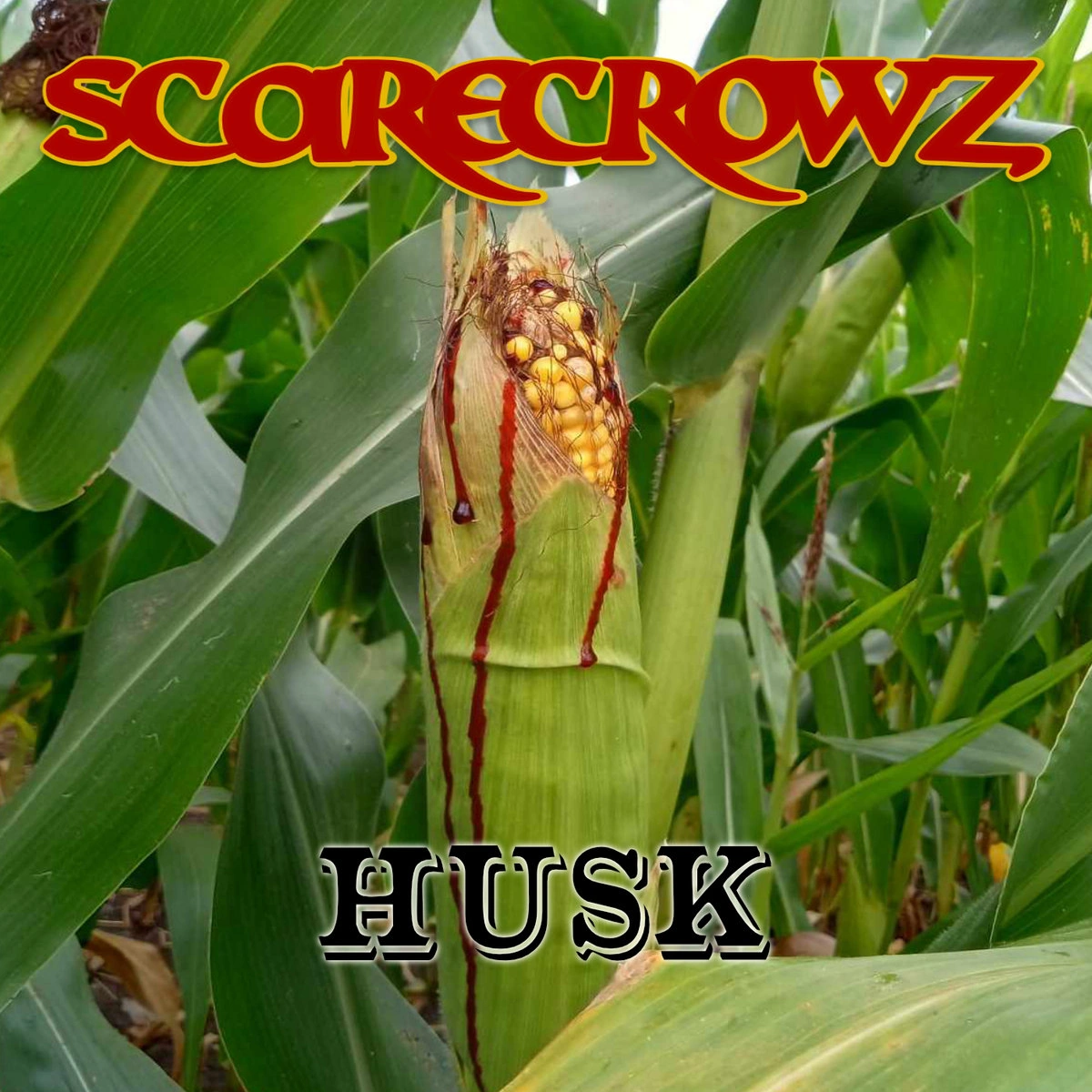
The credits on Husk by Scarecrowz read like a band that decided to do almost everything itself. The Ottawa four-piece produced this ten-track hard rock and heavy metal album alone, and three of its musicians shared the engineering. Only the mix and master went to an outside hand, Rohan Despande. The record then came out on 6 June 2025.

Scarecrowz open Husk with Clutter, the track now in the playlist below. The band’s full run of coverage sits on the Scarecrowz artist profile. The album came to NewMusic.News through PopHits.Co Music Charts, which verifies independent artists and places their releases across its network of music news desks. Give it a spin before reading on about the four players who produced it themselves.


Inside Husk: How Scarecrowz Built a Self-Produced Hard Rock Album in Their 25th Year

Scarecrowz Formed in Ottawa in 2000 and Marked Their 25th Year by Producing Husk Themselves

Scarecrowz formed in Ottawa in 2000, so 2025 was the band’s twenty-fifth year. Plenty of groups mark a milestone like that with a compilation or a reunion show. Scarecrowz, by contrast, marked it by writing and recording ten new songs.

The line-up on Husk is a four-piece. Ger Madden sings lead and backing vocals and plays rhythm guitar. Reno D’Santie handles lead and rhythm guitars, on electric and acoustic. Meanwhile, Trevor St. Peter plays bass, and Aansen Harrison covers drums and percussion. In addition, Zac Bryan steps in on bass for one track, Degeneration, and its official lyric video is on YouTube.

The engineering stayed inside that circle too. D’Santie, St. Peter and Bryan engineered the sessions, and the band took the producer’s credit as a group. As a result, the decisions on Husk belong to the people who play it, from the guitar sounds to the running order.

Even the packaging followed the same instinct. The photography credit goes to Madden, with artwork by Rachael Chandler of Artistik Vibe. It is a small detail. Still, it sums up the whole record, which stayed close to home with the people who know the songs best.

Madden is also the last founding member still in the band. A year after Husk came out, he told the whole story on Episode 127 of the All About M.E. Podcast. He covered how Scarecrowz first came together, and how the band kept going through every line-up change since.

Ten Tracks Run From the Opening Riff of Clutter to the Closing Pull of Dark

Husk runs for just under forty-six minutes. It opens with Clutter, a song about throwing out whatever is weighing you down. It then closes with Dark, which is about reaching for a way out when you cannot see one. In between, the songs range further than a quick listen might suggest.

For example, The Scythe tells a battle story set during the Crusades, with riders, steel and a long view of who fought and why. Khildren Of The Corn, meanwhile, turns a horror-film pun into something more reflective. It is about leaving the fields of your youth for a better life, and wondering what you gave up on the way. At almost six minutes, You’re Not Leaving Alive is the longest track.

The titles also do something the band’s name always invited. A husk, a scythe and a field of corn all belong to a scarecrow’s world. Husk leans into that imagery without turning it into a gimmick. On Bandcamp, Scarecrowz files the record under hard rock, heavy metal, metal, garage rock and Ottawa. That is a fair map of where it lives.

Inside Husk: How Scarecrowz Built a Self-Produced Hard Rock Album in Their 25th Year

What a Self-Produced 25th-Year Album Answers About Scarecrowz, From Black Sabbath to Motörhead

Every long-running band eventually faces a question: is there still something new to say, or only something to repeat? Husk answers with ten new songs, a fresh set of images and a production made entirely on the band’s own terms.

Two reference points help place the sound for new listeners. First, Black Sabbath set the template for slow, heavy riffing on their first album in 1970. The darker, weightier moments on Husk sit in that tradition. Second, Motörhead added speed and a rough, garage-style edge from the mid-1970s. That is the energy the faster tracks on Husk draw on.

Scarecrowz moves between those two poles across the record. In the end, that range is the clearest sign that a twenty-fifth year can be a working year rather than a commemorative one.

Who Should Hear Husk by Scarecrowz, and Where to Follow the Band

Husk suits listeners who like their hard rock and heavy metal raw rather than polished. It also suits anyone curious about how a veteran band sounds when nobody else is steering the sessions.

From the NewMusic.News curator team: “Producing Husk themselves gave Scarecrowz a record that sounds like a band in a room. The riffs on Clutter and the slower weight of Dark carry the same rough edge. That consistency comes from four players making every call together.”

Stream Husk on Apple Music or buy it on Bandcamp. After that, explore the earlier catalogue on Spotify and Bandcamp.

Follow Scarecrowz on Spotify, Apple Music, SoundCloud, the YouTube channel, Instagram, TikTok, X, Facebook and Linktree, and visit the official website.


Inside Délires d’une Mélomane: How KA BERRA Built a Rap About Masks

The Paris-Based Artist Set Trap Hi-Hats Inside an Orchestral Arrangement for Her Second Single

Piano notes and light strings open Délires d’une Mélomane. Then the trap hi-hats snap in, and KA BERRA starts to rap about the masks people wear. The single came out on 6 June 2025, her second release. It sets a French rap confession inside an orchestral arrangement, and that contrast is the whole design.

KA BERRA’s music sits in the playlist below, next to this desk’s hip-hop and conscious rap picks, and each feature on the artist to date is kept on the KA BERRA profile. Délires d’une Mélomane came to NewMusic.News through PopHits.Co Music Charts, which verifies independent artists and places their releases across its network of music news desks. Play it once, then read on for the story behind the masks.


Inside Délires d'une Mélomane: How KA BERRA Built a Rap About Masks
Inside Délires d’une Mélomane: How KA BERRA Built a Rap About Masks

Why Délires d’une Mélomane Still Matters as KA BERRA Works Towards a Debut EP and a Book

A single from June 2025 could easily have faded by now. This one kept growing instead. In the months that followed, KA BERRA surrounded it with new work. Each piece added a layer to the same idea. First came Persona, a short video posted two weeks before the release. Its title borrows Carl Jung’s word for the face a person shows the world. Then, in September 2025, the official video arrived. Her third single, 25 Ans, followed in February 2026 with a pop, folk and rock sound.

The bigger reason to return to the song now is where it leads. In the notes under the official video, she calls it the visible part of a larger project. That project points towards her very first EP. Her official website places the EP inside a bigger plan called Projet de Renaissance. It is a planned pair of works. One half is a book, Comment fait-on pour se rendre à l’évidence ? The other is the EP, J’écris je rêve je chante, donc je suis. Her website still lists both as forthcoming. So for now, Délires d’une Mélomane is the clearest way into the ideas they will carry.

From a Childhood Dream of Medicine to French Indie Pop, KA BERRA Found Her Way to Rap

The ideas themselves go back much further. KA BERRA taught herself, and her biography says her biggest childhood dream was to become a doctor. That plan did not work out the way she pictured it. Instead, writing and music became an outlet for anger and hurt. Later they became a form of therapy. Today she describes her art as a way to be a doctor through words, music and stories. When the single first came out, Plastic Magazine summed up the same story by calling her pen her scalpel.

Her debut single, Paris, arrived in February 2025. It was French indie pop, an open letter to the capital and to anyone who lets themselves dream. Délires d’une Mélomane was the turn that came next. It kept her ear for melody but added rap, trap drums and an orchestra. That shift showed how far her range could stretch. Her biography also calls her a singer-songwriter, a writer and a director, and she lives in Paris.

Inside Délires d'une Mélomane: How KA BERRA Built a Rap About Masks
Inside Délires d’une Mélomane: How KA BERRA Built a Rap About Masks

Piano, Strings and Rattling Hi-Hats Carry the Song From a Confession to an Incisive Chorus

The production comes from Ael a la prod, according to the credits under the official video. Nathan Cocherie handled the arrangement and the mix. Their arrangement starts small and builds with care. Plastic Magazine picked out the piano and the light string lines at the start. Then the snap of rattling hi-hats arrives as her voice comes in. HipHopEargasm filed the song under French rap and described swarming strings and cracking percussion. Even so, it noticed that the mix leaves room for every line.

Her delivery is the other half of the design. She moves between sung melodic lines and a sharper rapped flow. As a result, the song never settles into one register for long. Her own website calls the chorus striking and incisive. PowHer Sound, a blog that covers women in music, used the same word for it. Meanwhile, Zillions Magazine heard strings in the background and a delivery that was sharp and heartfelt at once. The single also drew notice from Music Taste and Groove Africa.

The Masks, the Inner Child and the Délires d’une Mélomane Video

The subject is pretending. Her website describes faking it as an art in itself: the art of hiding your vulnerability and putting on armour. The song follows that idea through a personal story that anyone can recognise. In the video notes, she asks what people really hide behind their masks. Is it fragility, inner struggles or their true nature? She also asks whether a mask used as a shield can leave someone a stranger to themselves.

The official video, directed by SLOWN with Selim Chebbi as director of photography, adds a second character to that story. Its credits list Tifenn Keza Georget as the inner child. That is the part of a person that still dares to go without a mask, to dream and to create. Seventeen extras fill out the scenes, and KA BERRA thanks each of them by name.

What Délires d’une Mélomane Answers, and Where to Follow KA BERRA Next

The answer is the most hopeful part of the song. KA BERRA does not ask anyone to tear their masks off. In the video notes, she suggests the opposite: handle the façade on your own terms and let a mask become a guide. Worn that way, a mask can help you explore and become the person you want to be. For a track about armour, that is an optimistic place to land. It also explains why the orchestra sounds grand rather than bleak.

She dedicated the song to everyone who lives music as an emotion, a madness or a refuge. The dedication also reaches the music lovers, the homebodies, the loners and the people who go out to party. That list explains the title, which translates loosely as the ravings of a music lover.

Where It Sits Beside Stromae and Diam’s, and Who It Suits

Listeners who follow French-language rap have two clear reference points. Stromae has built a career on moving between singing and rapping in French. Stromae’s 2022 album Multitude drew on styles and instruments from many cultures. KA BERRA’s shifts between melody and flow over an orchestra come from a similar instinct. Diam’s is the other touchstone. Records such as Dans ma bulle in 2006 showed how much weight first-person writing could carry in French rap. That frankness is the tradition Délires d’une Mélomane writes from.

It suits listeners who like their rap with melody and a story. It also suits anyone who has kept up a brave face for too long. The song works as the door into her catalogue, too. Start here and go back to Paris for her indie pop side. Then play 25 Ans to hear where she went next.

From the Curator Team: “Délires d’une Mélomane could have buried its voice under the orchestra. Instead, the strings and piano leave space around every line. A song about hiding still sounds open, and the chorus hits harder because of it.”

Stream Délires d’une Mélomane on Spotify and Apple Music. You can also find KA BERRA on Deezer and SoundCloud. The official video is on YouTube, and the rest of her clips are on her YouTube channel.

Follow her on Instagram, TikTok, Threads and Facebook. News about the EP, the book and the rest of her work is on her official website.


Oops I Got Sad Is Little Champion’s Upbeat Answer to Ghosting

Dustin Goldklang Set a Low Moment to Bright Guitars on a Home-Recorded Indie Pop Single

Dustin Goldklang recorded Oops I Got Sad in a makeshift studio above a garage in Asheville, North Carolina. He gave a low moment a bright, bouncing arrangement. The song came out as a single on 2 December 2022, and it is the work of Little Champion, Goldklang’s one-person indie pop project. Its subject is ghosting, and the particular sadness it leaves behind.

Little Champion’s song is in the playlist below, alongside the rest of this desk’s rock and alternative selections, while the act’s full coverage history sits on the Little Champion profile. Oops I Got Sad reached NewMusic.News through PopHits.Co Music Charts, which verifies independent artists and places their releases across its network of music news titles. Give it a first listen, then read on for how the song came together.


Oops I Got Sad Is Little Champion's Upbeat Answer to Ghosting
Oops I Got Sad Is Little Champion’s Upbeat Answer to Ghosting

Oops I Got Sad Grew Out of Ghosting and Little Champion’s Decision to Make It Sound Bright

Most people know the moment behind the song. A conversation that seemed to be going somewhere simply stops, and there is no argument to replay, only silence. When the single came out, Goldklang told Popfad that he “wrote this song about being sad after getting ghosted”. The title turns that feeling into a shrug and a confession at the same time.

That mix of sad and funny is the project’s signature. In fact, the biography on the official website describes songwriting that is fluid yet structured, thoughtful yet goofy, and sad yet funny. It is a fair description of a track that sounds cheerful while admitting it is not.

From Folk-Punk House Shows to a Garage Studio, Goldklang Built Little Champion in 2021

The road to the song was not a straight one. Goldklang spent his late teens and early twenties on the DIY folk-punk house-show circuit, playing as Dustin and the Furniture. After that, he stepped away from music for several years. Along the way, as Plastic Magazine reported, he spent more than a decade as a professional poker player.

Then, in 2021, with time at home during the pandemic, he picked up the guitar again and formed Little Champion. The first release came in April 2022, a two-track single called 2 Songs that paired Snow Day and Holiday.

Oops I Got Sad followed in December. Over the next few weeks, the reviews read it as a sign of the project growing. For example, Mesmerized heard a witty take on ghosting, a bedroom pop ethos and crystal-clear vocals. Meanwhile, The Other Side Reviews added the track to its rock playlist on Deezer.

Oops I Got Sad Is Little Champion's Upbeat Answer to Ghosting
Oops I Got Sad Is Little Champion’s Upbeat Answer to Ghosting

Softly Distorted Guitars and a Plain-Spoken Lyric Carry the Sadness Without Letting It Sink

The arrangement is where the song answers its own moment. Plastic Magazine heard an upbeat, light sound full of gentle rhythm, softly distorted guitars and vibrant vocal leads. Crucially, that brightness sits against a lyric about feeling low. Illustrate Magazine singled out the guitar tone, clean with only a little gain, and a bridge where the guitar moves into its lower notes. The track runs to just over three minutes, and the mood never sinks with the subject.

Goldklang wrote, performed, recorded and produced it himself, so the home-studio approach is part of the appeal. The song later became part of the debut album Curiosity, released in March 2023. Goldklang has described that record as containing at least one explicit question in every song. A second album, Peaks Island and Other Places, followed in May 2025 with songs about place and loss.

So who is it for? Listeners who came to home-recorded pop through Clairo will recognise the approach, since her early bedroom recordings made a small, personal sound feel direct. Fans of Bleachers get the other half: bright, driving guitar pop that carries a heavier feeling underneath. Both appear on the list of influences Plastic Magazine reported for the project.

From the Curator Team: “Oops I Got Sad is a small song that knows exactly what it is doing. The guitars stay clean and bright, the melody keeps moving, and the lyric admits the sadness without asking for pity. That balance is why it still sounds fresh on a first listen today.”

Where to Hear Oops I Got Sad and Follow Little Champion From San Francisco

Little Champion now works out of San Francisco. Stream Oops I Got Sad on Spotify, and follow the full catalogue on Apple Music, Bandcamp and SoundCloud. Music videos, including the one for the 2024 single Drive, sit on the YouTube channel.

Keep up with Goldklang on Instagram, TikTok, Facebook and X. The Linktree collects shows, merch and the latest album in one place.


SPACELY and the Making of Here, JP Warner’s Sci-Fi Single About Staying in the Moment

A Chicago Producer’s Cinematic Alt-Pop Project Turns Mental Health Into an Original Sci-Fi Saga

When JP Warner started writing as SPACELY, he made one decision that shaped everything after it. He would tell his own story through a character. That character is Captain Joseph Spacely, stranded with his crew on an uninhabited moon and facing their inner demons. Released on April 3, 2024, the SPACELY single Here then takes that idea somewhere direct, because it is alternative pop about staying fully present.

SPACELY and JP Warner have Here in the playlist below, so it is the first stop for anyone meeting the project today, and the rest of the coverage sits on his artist profile. Here came through PopHits.Co Music Charts, which verifies independent artists and places their releases across its network of music news sites. Play it first, then read on for why it matters now.


SPACELY and the Making of Here, JP Warner's Sci-Fi Single About Staying in the Moment
SPACELY and the Making of Here, JP Warner’s Sci-Fi Single About Staying in the Moment

Why the SPACELY Single Here Matters Now, as the Sci-Fi Saga Heads Toward Its Next Chapter

The timing is worth explaining. ECLIPSE, the album that holds Here, arrived a chapter at a time through 2024. Crash was billed as Chapter 3 that May. After that, Reforge followed as Chapter 9 of 11 by December, and the full record finally landed in 2025. Now SPACELY’s official page promises that the captain and crew will return in 2026. So the story sits between chapters, which makes this a natural moment to return to the song that states its purpose most plainly.

Here sits fourth on the finished album, after the overture, Destiny and a short interlude titled with a numeric code, 012.012.082. In total the album runs to 22 tracks and 43 minutes, and those coded interludes recur between the songs. Heard in that sequence, Here lands early, almost like the thesis of the whole record.

The SPACELY single also arrived with a head start. In the weeks after its April 2024 release, Here drew write-ups from Hailtunes, Mesmerized, Beach House Mag and Muse Chronicle. Brazil’s IndieOclock covered it too. In fact, most of them picked up on the same pairing of a large sound and a very personal subject.

The Chicago Producer Behind SPACELY and the Captain Joseph Spacely Story

The person behind it has spent years on the other side of the glass. JP Warner is a Chicago-based producer, artist and storyteller with more than a decade in the studio. First, he co-founded the DJ duo MiNDTRiX, and only then moved into pop production. His collaborators include TE/MO, Excision and Jorge Rivera-Herrans, the creator of EPIC: The Musical.

Alongside SPACELY, he also runs a jazz catalogue under his own name and NIGHTSWIM, a melodic house project. SPACELY is the one he describes as his vessel for processing what he has learned about managing his mental health and finding inner peace.

Musically, Here is built from layered synths and punchy percussion. On top, the vocal climbs from firm verses into a wide, soaring chorus. Muse Chronicle traced the influences to Hans Zimmer, Blink-182 and Porter Robinson. Meanwhile, Mesmerized heard the finished single as grand, sweeping alt-pop when it arrived.

The theme is simple, and deliberately so. Muse Chronicle described Here as a song about being fully immersed in the present moment. Similarly, Beach House Mag noted how deeply Warner’s own experience with mental health runs through the lyrics. Writing through a character is also what makes that honesty possible. SPACELY told Mesmerized that writing as Captain Joseph Spacely makes it easier to be vulnerable. In addition, the same interview credited sci-fi films as the fuel for building the world around the songs.

SPACELY and the Making of Here, JP Warner's Sci-Fi Single About Staying in the Moment
SPACELY and the Making of Here, JP Warner’s Sci-Fi Single About Staying in the Moment

What Here Offers Fans of K-Pop, Game Soundtracks and Film Scores

SPACELY’s music is pitched at a crossover crowd: fans of K-pop, Riot Games soundtracks, film scores and electronic music. The SPACELY single suits that listener well, because its hook is pop-sized while its scale borrows from the screen.

The clearest reference point is Porter Robinson, whose album Nurture turned a hard stretch of self-doubt into bright, big-hearted electronic pop. Hans Zimmer explains the other half of the sound, with its patient builds and the sense of a scene opening up. Blink-182 may look like the outlier. Still, that band’s gift for a plain-spoken chorus is exactly what keeps Here grounded.

So what does Here answer? For listeners who like their pop with a story attached, it is an easy way into a larger world. Meanwhile, for anyone facing their own version of the captain’s moon, it is a three-and-a-half-minute reminder to come back to where they are.

The NewMusic.News curator team: “Here works because JP Warner keeps the message small while the production goes big. The chorus opens out like a film cue, yet the idea at its centre is a single instruction to stay present, and that contrast is what gives the song its pull.”

Stream the SPACELY Single Here and Follow the Project Across Platforms

Start with the SPACELY single at the top of the page. After that, carry on through ECLIPSE, where Here sits among the chapters of the captain’s story.

Keep up with SPACELY and JP Warner here:


Veludo Tropical on Human-Led Bolero and the Making of No Me Digas Adiós

A Campinas Project Revives the Vintage Bolero Farewell and Says Openly How It Was Made

Every Veludo Tropical song starts as a scene: a half-lit bar, a forgotten letter, a city under rain. No Me Digas Adiós, out since 20 August 2026, opens on a farewell. In this Veludo Tropical bolero, a mature female voice carries that goodbye over a vintage arrangement. The project behind it, based in Campinas, Brazil, is also unusually direct about how it built the song.

Veludo Tropical’s farewell bolero sits in the playlist below, among the jazz and modern composition this desk keeps returning to, and the project’s full run of coverage lives on the Veludo Tropical profile. No Me Digas Adiós reached NewMusic.News through PopHits.Co Music Charts, which verifies independent artists and places their releases across its network of music news titles. Press play, stay with the whole goodbye, then carry on reading.


Veludo Tropical on Human-Led Bolero and the Making of No Me Digas Adiós

Veludo Tropical Arrives as Bolero Becomes World Heritage and Streaming Asks How Songs Are Made

Two changes in the years before this single shape how it arrives. First, in December 2023, UNESCO added bolero to its Representative List of the Intangible Cultural Heritage of Humanity. Cuba and Mexico nominated the form together, and their nomination described it as identity, emotion and poetry turned into song. The committee also noted that composers are still writing new boleros, in a living dialogue with the tradition.

The second change came from the streaming side. In September 2025, Spotify said it would back a new DDEX industry standard for showing, in a song’s credits, where AI played a part. Its argument, moreover, was that listeners deserve a more nuanced picture than a simple yes or no.

Veludo Tropical therefore sits exactly where those two stories meet. It writes new boleros, and it also says plainly that generative tools are part of its process.

The Method Behind Every Veludo Tropical Song

The project describes its method in some detail. Each track begins with a human creative direction: a scene, a feeling, a story and an artistic intention. After that, generative and digital tools come in during production. Selection, revision, the mood each song aims for, the visual identity and the final decisions all stay in human hands. The project is also careful not to present the technology as the artist.

That openness is rarer than it should be, because plenty of machine-assisted music reaches streaming services with no word on how anyone made it. Here, by contrast, the project states its method up front, alongside a clear account of what the tools do and what they do not do.

The inspiration, however, is far older than any of the tools. Veludo Tropical draws on the classic nights of Latin America, blending bolero with smooth Latin jazz, serenade and sophisticated vintage arrangements. In fact, No Me Digas Adiós is its first release on Spotify.

Watch the video and check the artist’s YouTube channel for more.

Veludo Tropical on Human-Led Bolero and the Making of No Me Digas Adiós

No Me Digas Adiós Takes Nearly Five Minutes to Say One Goodbye

The title translates as “don’t tell me goodbye”, and the song gives that plea room to breathe. It runs to about four minutes and forty seconds. That is long for a single in 2026, yet right for a bolero, where a goodbye usually takes a whole song to say. Meanwhile, a mature female voice leads, and the arrangement leans on the vintage Latin colours the project names as its home ground.

The project’s YouTube channel bills the official video, embedded above, as a vintage romantic bolero. It also suits the song’s film-like staging, with one scene played out slowly.

Two reference points help place the mood, with no connection implied between the artists. For instance, Omara Portuondo, the Cuban singer long linked with the Buena Vista Social Club, has spent decades showing how much a mature voice can put into a bolero. Luis Miguel, on the other hand, took the form to a new generation in 1991 with Romance, on which he and producer Armando Manzanero reworked classic boleros. As a result, No Me Digas Adiós speaks to listeners who know both of those voices and still want new songs in the same spirit.

What This Veludo Tropical Bolero Answers, and Where the Project Goes Next

The question this release answers is a simple one: can a project that uses new tools still make a bolero that means something? Veludo Tropical’s reply is to keep the parts that matter in human hands, and then to tell you so. After that, the rest is the song’s job, and it takes its time doing it.

For listeners of classic bolero, smooth Latin jazz and film soundtracks, it is an easy one to add to a late-evening rotation. It should also make particular sense in Brazil, Mexico, Bolivia and Venezuela, where the project is aiming its first releases. Similarly, Spanish-speaking audiences who grew up with the form are a natural home for it.

The project has not stood still since. A second single, Perfume de Medianoche, followed on 11 September 2026. A third, Bajo la Luna de La Habana, already appears on the project’s site, where fans can pre-save it on all stores.

NewMusic.News’s curator team: “A bolero depends on patience, and No Me Digas Adiós has it: close to five minutes spent on one goodbye, with a mature voice and a vintage setting doing the work. We would also like more projects to follow its lead on disclosure, because telling listeners how you made a record costs nothing and earns trust.”

You can follow Veludo Tropical across these platforms: