

A West Yorkshire Songwriter Records Eight of His Songs as He Plays Them Live
In June 2026, WIL.SON went back to an old song, and it became the first step towards Blues Tourist: Vol. 1. Devil On My Shoulder first appeared on Serpentine, his 2016 debut solo album. He recorded it again the way he plays it live: one guitar, his voice and a stomp-box, with no overdubs. Three weeks later, on 10 July, the West Yorkshire singer-songwriter applied the same rule to eight songs and had a stripped-back blues album.
WIL.SON’s Devil On My Shoulder, the opening song of Blues Tourist: Vol. 1, is in the playlist below, and his earlier coverage sits on his artist profile. The album reached this desk through PopHits.Co Music Charts, which verifies independent artists and places their releases across its network of music news titles. Give it a spin, then read on.

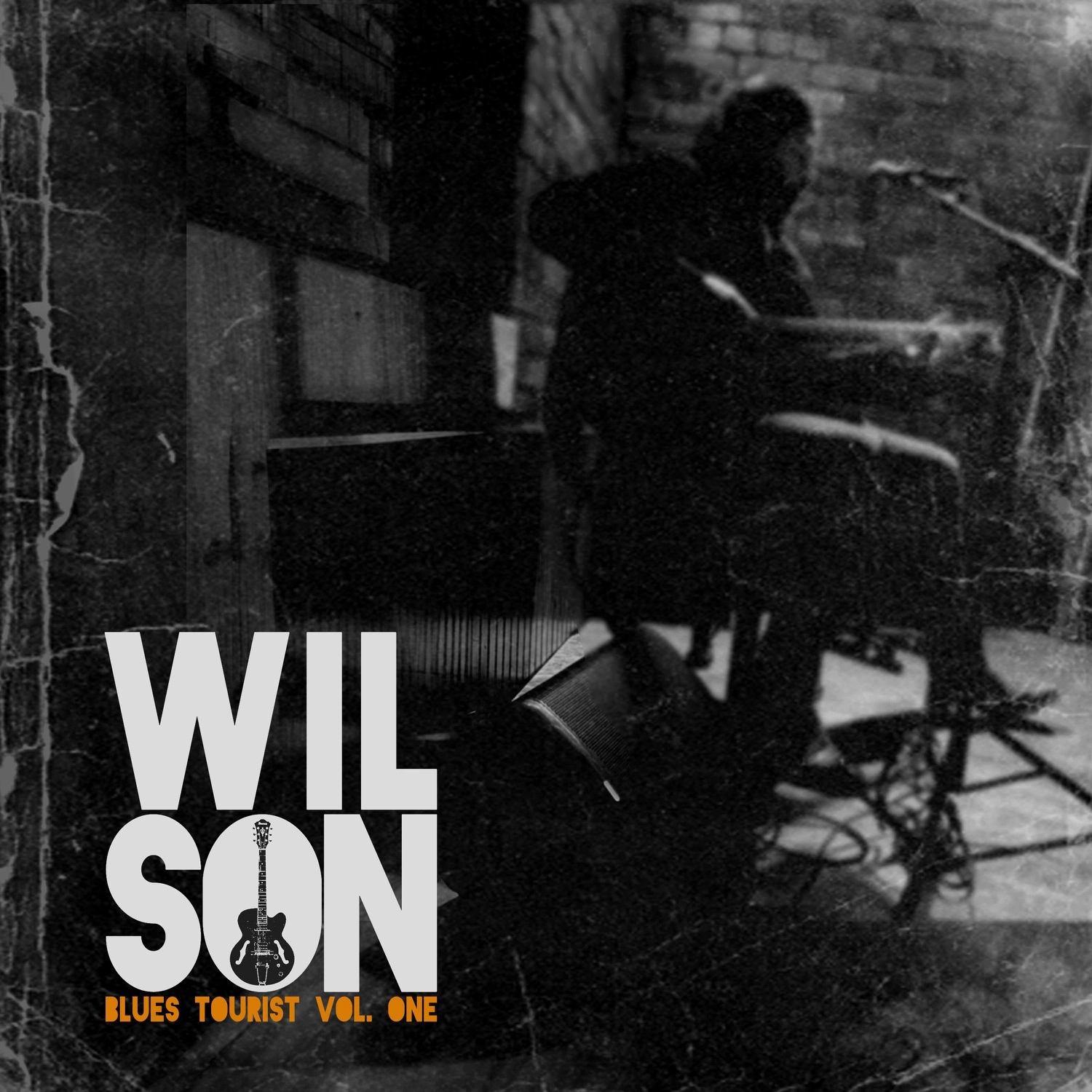
Ten Years After Serpentine, WIL.SON Records Blues Tourist With Just One Guitar and a Stomp-Box
The timing makes sense. Ten years after Serpentine, WIL.SON has four studio albums behind him: Serpentine (2016), Afraid Of The World (2019), Black Is The Sky (2022) and Force Of Nature (2025). Every song on Blues Tourist: Vol. 1 comes from those records. This time, though, he kept only what he can play alone. The title also carries a volume number, which leaves room for more.
Three Decades of Writing Before One Guitar and a Stomp-Box
The decision also fits a long career. On his own site, WIL.SON says he has spent more than three decades writing, recording and performing. First came the 1990s live circuit with his band The Stand, including the Leeds venues The Duchess and The Cockpit. Later he formed the heavy rock band Down The Machine, signed with Ambicon Records and played Leeds Festival and Bingley Festival.
Meanwhile, he kept writing quieter songs. Those stripped-back acoustic tracks became the foundation of his first solo album. His first single as a solo performer, Closing In, came out in 2012. Since then he has played festivals across the UK, including The Great British Rhythm & Blues Festival. He has also shared stages with Toploader, and BBC Introducing’s Alan Raw has supported his music.
The blues thread runs back to the start, too. When the Spanish-language music site 120dB Bogotá covered Laying Low ahead of Force Of Nature, it described Serpentine as rooted in blues and alternative folk. The same article noted that radio stations from North Yorkshire to North Carolina had played songs from Black Is The Sky. It also pointed to the strings and piano around the guitar on Laying Low. Blues Tourist: Vol. 1 goes the other way.

Eight Songs From Serpentine to Force of Nature, Recorded Again With One Guitar and No Overdubs
The album opens with Devil On My Shoulder, the one song taken from Serpentine. Next come three from Afraid Of The World: Caught In The Rain, Coming Home and Snake And A Thief. After that, Black Is The Sky supplies three more, with Same Shit, Different Day, Don’t Wear Me Down and This Hell Of Mine. Finally, Don’t Get Me Wrong, first heard on Force Of Nature, closes the set in acoustic form.
The whole album runs for about 27 minutes, and no song passes four and a half minutes. Coming Home is the shortest at two minutes and 17 seconds, while Devil On My Shoulder is the longest at four minutes and 22 seconds. In other words, you can hear the set in one sitting and then follow each song back to its source album.
One Pass, One Guitar and a Foot on the Stomp-Box
The method is simple to describe. A stomp-box is a small box the player strikes with a foot, so it supplies the beat while both hands stay on the guitar. No overdubs means nothing was layered on afterwards. As a result, the guitar, the voice and the rhythm all come from the player in the room. On X, WIL.SON calls these recordings raw performances, caught as they happened.
His own site describes his sound as rock, blues, acoustic folk and alternative music, shaped by a love of honest but often dark songs. The titles here point the same way. Within eight tracks, a devil on the shoulder, a snake and a thief, and a private hell all turn up.


Who Blues Tourist Is For, From John Lee Hooker Fans to Listeners New to WIL.SON
The first answer is practical. The album gives new listeners one clear way into a catalogue of four albums and more than a dozen singles. Anyone who starts here can trace each song back to the record it came from.
The second answer comes from blues history. In 1948, John Lee Hooker recorded Boogie Chillen’ as a solo performance: his voice, an electric guitar and rhythmic foot stomps. It was his debut release, and in 1949 it became the first down-home electric blues song to reach number one on the R&B chart. A stomp-box does the job Hooker’s foot did, turning one player into a rhythm section.
The third answer is closer to home. In Britain, Seasick Steve showed how far that setup can travel. On New Year’s Eve 2006 he played Dog House Boogie on Jools Holland’s Hootenanny, using a three-string guitar and a stomped wooden box he calls the Mississippi Drum Machine. After that show, his popularity in Britain took off. WIL.SON works with a similar kit: one guitar, one voice and a box under his foot.
So who is it for? It suits listeners who like one-player blues with plain-spoken, dark-edged titles. It also suits anyone who knew WIL.SON from the Leeds rock scene and never followed the solo albums.
From the NewMusic.News Curator Team: “Recording without overdubs leaves nowhere to hide, and that is the point of Blues Tourist: Vol. 1. It is the closest thing to a WIL.SON solo show you can hear at home, and it makes the original albums worth a second visit.”
How to Hear Blues Tourist and Where to Follow WIL.SON
Start with Devil On My Shoulder, then play the eight songs in order. After that, go back to the album each song came from and compare the two versions. If one song stays with you, its source album is the natural next step.
The album is also on Apple Music, and the album’s smartlink lists every other service. Then follow WIL.SON, who posts as Wilson Music UK, across platforms:
- Stream: Spotify, Apple Music, Deezer and Bandcamp
- Watch: the YouTube channel
- Follow: Instagram, TikTok, Facebook and X
- Read more: the official website















About The Author

More From NewMusic.News
-
Inside Proceed 2: How Kennard Built a Baltimore R&B Album From Loss and Patience
-
Johnny Marr Road-Tested The Age of Everything Before Recording It
-
Ada Rovatti on Piloo, Her Late Father and the Making of Done Deal
-
Inside Husk: How Scarecrowz Built a Self-Produced Hard Rock Album in Their 25th Year
-
Inside Walking the Tightrope: How Stephanie Phillips Built a Folk Album Between Grief and Joy