
The Long Way to CRYING STARS: Alex Shkudun on a Year of Poems, Piano and Three Languages
A Ukrainian Songwriter Looks Down on Fallen Empires, Floods and Towers From the Night Sky
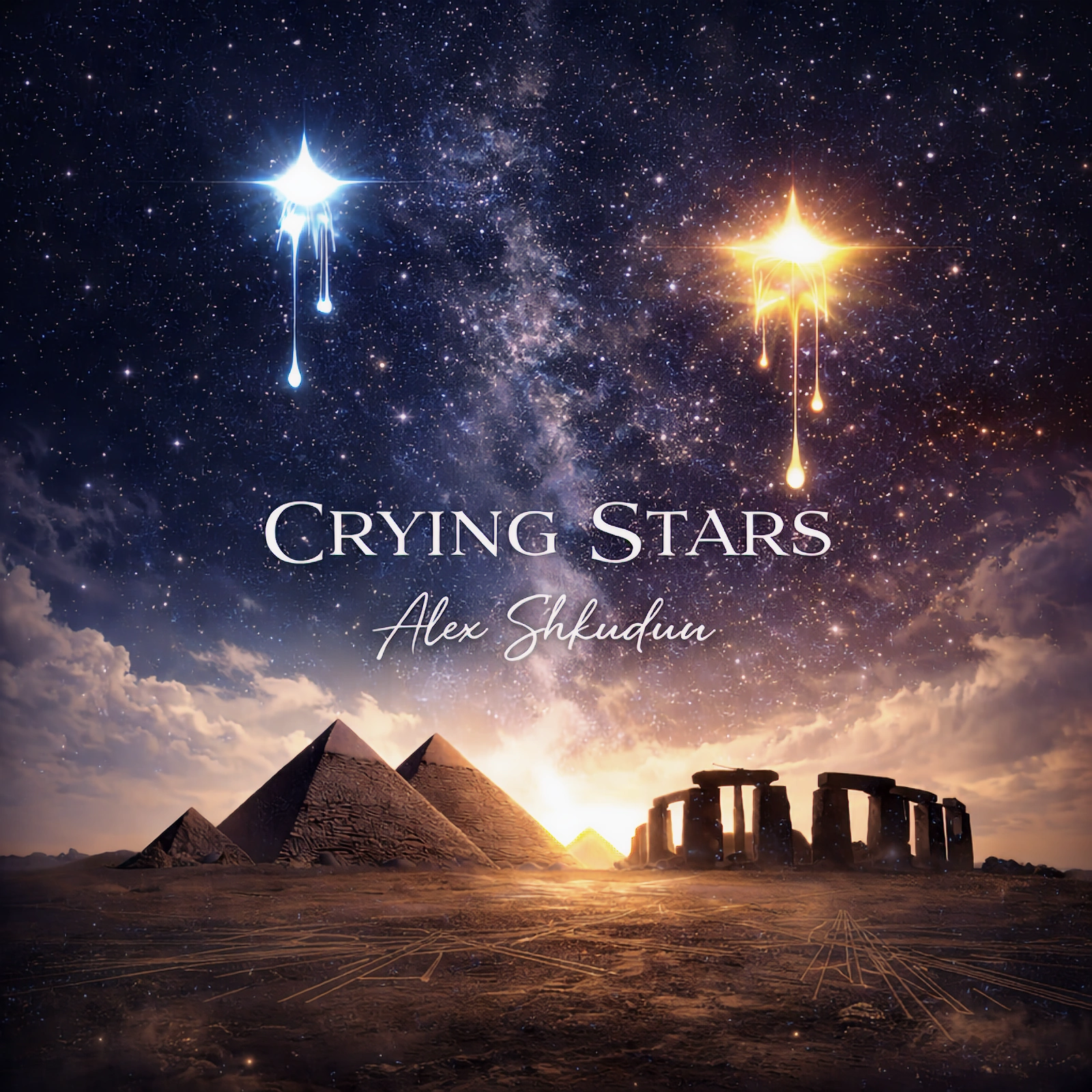
Before CRYING STARS existed, Alex Shkudun had to decide who its hero was and where the story would stand. He chose to stand nowhere on the ground at all, and handed the point of view to the stars, silent witnesses to war, fear and broken promises. The cinematic pop ballad came out on 3 April 2026, and it grows from piano-driven verses into a full orchestral chorus.
Alex Shkudun’s CRYING STARS sits in the playlist below with the pop and singer-songwriter records this desk returns to. His coverage so far is gathered on his artist profile. The single reached NewMusic.News through PopHits.Co Music Charts, which verifies independent artists and places their releases across its network of music news desks. Press play, then stay with the story of how it was made.

A Notebook of Poems, a Year of Experiments and How Alex Shkudun Arrived at CRYING STARS
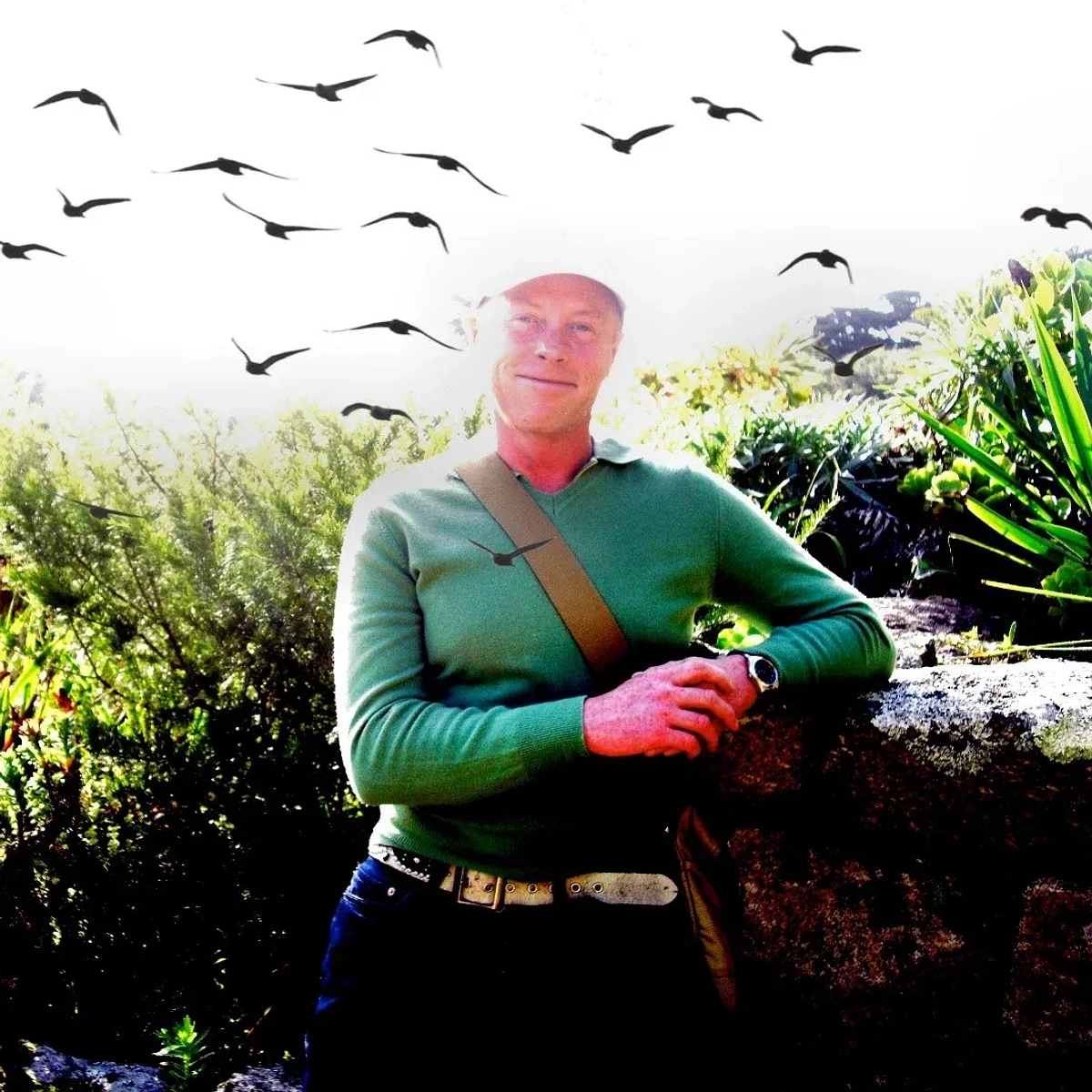
Shkudun is a Kyiv-born Ukrainian songwriter now based in Spain, and his own website reads like a long notebook. He has written there that he loved writing poems and stories from childhood. Some of those texts sat in notebooks for years. What changed, by his account, was the arrival of AI music tools about a year before the summer of 2026. For the first time, he could hear his own lyrics as finished songs.
He is careful about where the line sits. The tools can offer a melody, an arrangement or a voice, he writes. However, they cannot decide what the song is for, or what a listener should feel after the last chord. So before any of that, he works out the hero of the song, their conflict, their past and their state of mind. Sometimes a single line comes first. At other times it is the closing scene of a video he has not made yet.
Alex Shkudun released CRYING STARS in the middle of a steady run of singles. Trust Destiny came out in March, No Time in May, and KYIV AFTER MIDNIGHT in June. This one is the most direct about its purpose. Shkudun describes it as a humanitarian plea rather than a political argument. It is written from above, instead of from one country, one conflict or one generation.

Piano Verses, Atmospheric Synths and an Orchestral Climax
The arrangement follows the argument. The verses are led by piano, with atmospheric synths gathering behind them, and orchestral swells then carry the song into a large chorus. Across four minutes and forty-three seconds, it moves from quiet reflection toward a final climax. In effect, it is the musical version of a camera pulling back from one street to the whole map.
The imagery is old on purpose. Fallen empires, ancient monuments, floods and towers stand in for every period that thought it had learned something. Meanwhile, the stars watch children learn fear before they should ever have to, and that detail gives the song its weight. On 10 May 2026 he also added an official video on YouTube, credited as written, created and produced by Shkudun and brought to life with AI.

What CRYING STARS Asks About Progress and Why Its Answer Is a Plea for Children
The question at the centre of the song is a simple one. If people keep repeating the same patterns, does progress mean anything at all? Seen from the stars, the usual sides disappear, so the song cannot pick a winner. Instead, it lands on the one thing everybody below can agree on: the violence has to stop before another generation of children pays for it.
That move has a long history in pop. John Lennon wrote Imagine in 1971 and asked listeners to picture a world without borders between nations, over a plain piano part. CRYING STARS borrows that wide frame and turns it toward history rather than utopia. Sting offers a second reference point. His 1987 song Fragile is a quiet lament about how little violence achieves, and he also sang it in Spanish and Portuguese for the 1988 EP Nada como el sol.
One Song in Three Languages
That last detail matters here, because Shkudun works the same way. In July 2026 Alex Shkudun released CRYING STARS again, in Ukrainian on 4 July and in Russian on 31 July. He has written that a language version is never a literal translation. Each language has its own rhythm, word length and stress, so lines, rhymes and even some images have to change before the song sounds natural. As a result, the plea reaches three audiences in their own words.
Who CRYING STARS by Alex Shkudun Is For
This is a song for listeners of cinematic pop and big emotional ballads who want the lyric to carry a real question. It suits anyone drawn to socially conscious music about history, war and children, and it does so without asking them to take a side. It will also interest listeners who are curious about how songwriters use AI tools while keeping the words, the concept and the creative direction in their own hands.
From the NewMusic.News Curator Team: “What stays with us is the vantage point. Most songs about conflict are written from inside one side of it. CRYING STARS is written from a distance where the sides stop mattering, which is why its request to protect children sounds like common sense rather than a slogan.”
Where to Hear CRYING STARS and Follow Alex Shkudun
Stream CRYING STARS on Spotify, Apple Music or YouTube Music, or start with the official video above.
Follow Alex Shkudun across platforms: