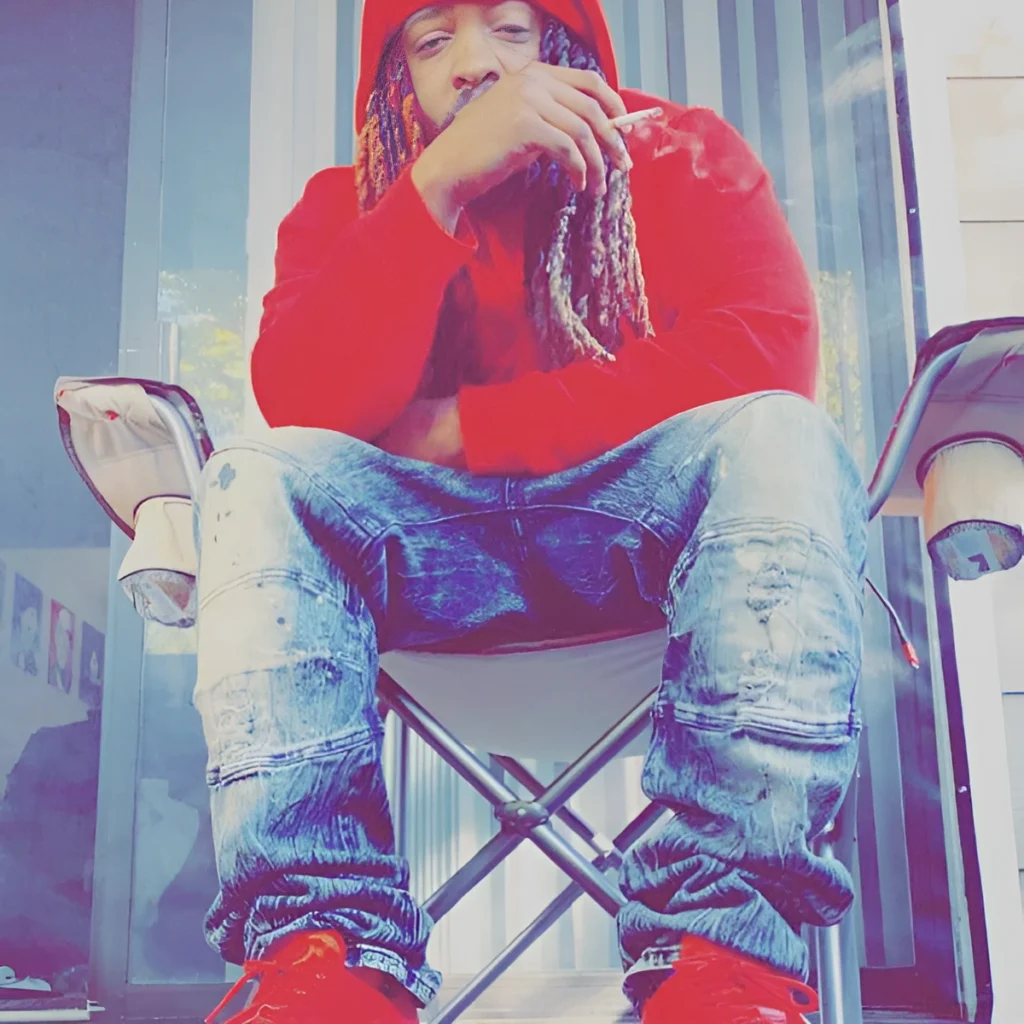
trap new music

Inside I’ll See Myself Out: How Almighty VA Built an Album About Loss and Sobriety

A Norfolk Rapper’s Confessional Emo Rap Record About Grief, Sobriety and Closing a Chapter

Almighty VA recorded his album I’ll See Myself Out in a studio he built in his own basement. All 13 tracks keep that closeness, setting confessional emo rap verses over dark, heavy US trap production. The album came out on November 23, 2025, and it sees the Norfolk artist tell the truth about a hard year. Then, as the title promises, he shows himself out.

Almighty VA’s music is in the playlist below, including “Walk With Me”, the song at the centre of this album. Every article about the act is gathered on the Almighty VA profile. I’ll See Myself Out came to this desk through PopHits.Co Music Charts, which verifies independent artists and places their releases across its network of music news desks. Give it a listen, then read on for the story behind the record.


Inside I'll See Myself Out: How Almighty VA Built an Album About Loss and Sobriety
Inside I’ll See Myself Out: How Almighty VA Built an Album About Loss and Sobriety

A Year of Loss and Sobriety Became the Almighty VA Album Recorded in a Basement Studio in Norfolk

The story of I’ll See Myself Out starts with a year most people would rather keep off the record. Akt Music reviewed the album in December 2025 and shared the piece on Threads. Its review describes what Almighty VA was carrying at the time. He had lost his brother to suicide and fought to get free of alcohol dependency. A betrayal came on top of both. Instead of dressing those events up, he wrote them down plainly and built the songs around them.

Music Evolution reached a similar conclusion in its own review that month. It frames the album as a deliberate way to close one chapter of his life and move forward. That is also why the title works. After all, I’ll See Myself Out is what someone says when they leave a room on their own terms. The record carries that same quiet resolve from its opener, “Most High”, to its closer, “Blood When I Leave”.

The setting shaped the sound as much as the subject did. He made the album at home, in a basement studio he put together himself. As a result, Akt Music hears that room in the verses, which it calls close and deliberate. Both reviews also name Joe Budden as a guiding influence. That lineage is easy to follow, because each verse is a place to admit things rather than boast.

Thirteen Tracks of Heavy Trap Production and Confessional Verses With a Deliberately Short Guest List

At about 40 minutes, I’ll See Myself Out suits a single sitting. Two of its songs came out before the album did. Almighty VA released “Highs & Lows” and “Maybe I Might” as singles in May 2025.

The centre of the record is “Walk With Me”, featuring S.H.A.D.O.W and Passive The Rapper. Here Almighty VA narrates his brother’s final moments from his own point of view. That is a heavy creative risk for any writer, and it gives the album its most direct passage about grief. Later on, “Dark Clouds” with Rogue Jepson and “Vivitrol” turn to sobriety, relapse and shame. In fact, Vivitrol is the brand name of a medication for alcohol and opioid dependence. The title alone shows how literally he chose to write about recovery.

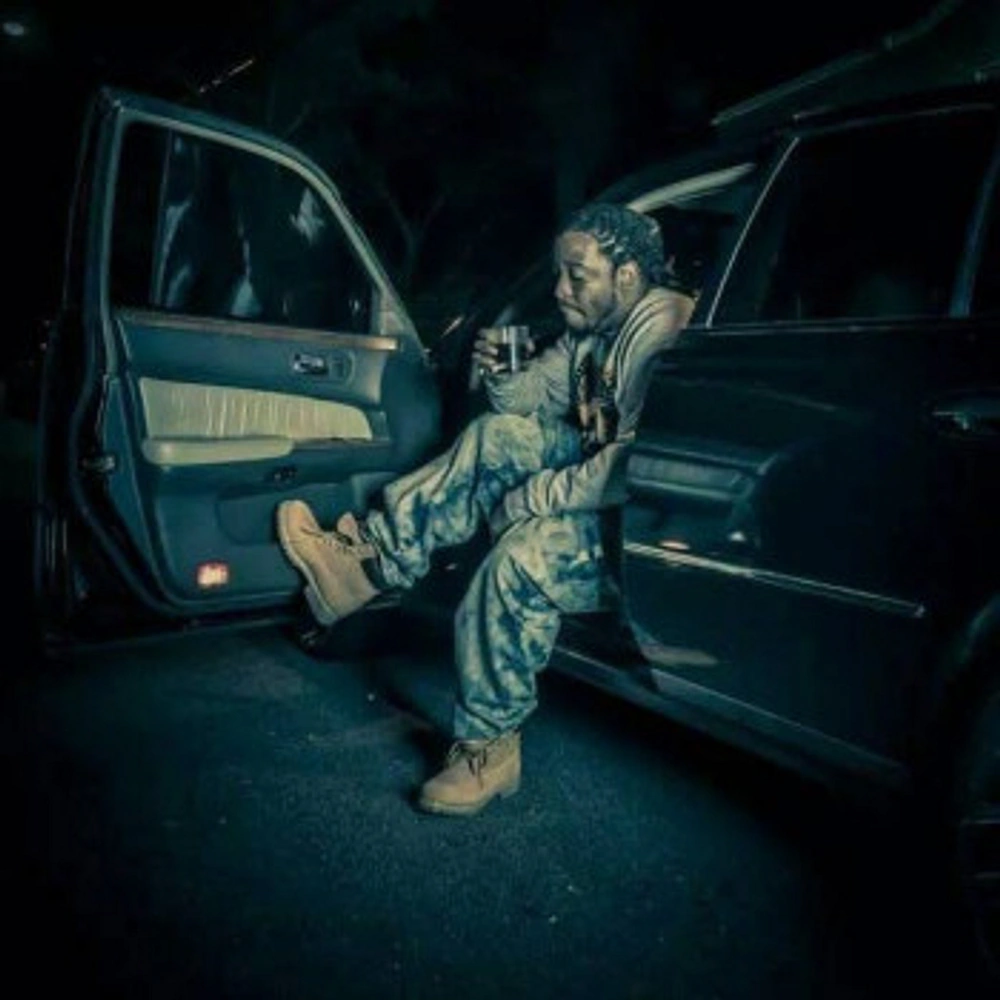
Inside I'll See Myself Out: How Almighty VA Built an Album About Loss and Sobriety
Inside I’ll See Myself Out: How Almighty VA Built an Album About Loss and Sobriety

The guest list is short by design. According to Akt Music, Almighty VA kept features to a minimum because an earlier project had lost its direction. This time he wanted every collaborator to serve the story. In practice that means six guests across five songs. Besides the three above, Milli joins “Nobody Knows”, MaLi joins “Running Away” and Pair-A-Dyce joins “Slide”. At five and a half minutes, “Nobody Knows” is also the longest song here. Meanwhile, “Stillwater (Interlude)” offers a short pause in the first half.

Musically, the record pairs heavy, trap-influenced US rap production with a dark, brooding tone. On top of it sits an introspective vocal delivery, which suits songs this personal.

From the NewMusic.News Curator Team: “What earned I’ll See Myself Out a place on our desk is its restraint. Grief and recovery tempt a writer to say everything at once. Yet Almighty VA keeps most of these songs under four minutes and lets one honest detail carry each verse.”

Why the Almighty VA Album Speaks to Emo Rap Listeners Who Want Honesty Before Polish

Listeners who grew up on Joe Budden’s Mood Muzik mixtapes will find this album familiar in the best sense. Those tapes turned family pain and depression into plain-spoken rap. Fans of Kid Cudi should listen too. His debut, Man on the Moon: The End of Day, paired moody, spacious production with lyrics about loneliness. It also helped open the door for emo rap. Almighty VA sits in that tradition, although he brings the heavier trap low end of current US hip-hop.

This is an album for people already living in emo rap and underground US hip-hop. They want the beats dark and the writing honest. It is also for anyone who has watched someone they love struggle. And it speaks to anyone choosing sobriety one day at a time, because the record treats both subjects with care.

Start with “Walk With Me” for the emotional core. Then go back to the top and play the album in order. If these subjects sit close to home, the US 988 Suicide and Crisis Lifeline takes calls and texts.

You can also stream I’ll See Myself Out on Apple Music. Follow Almighty VA across platforms: Spotify, Apple Music, Deezer, Audiomack, YouTube, Instagram and Facebook.

NINJ on Time, Loss and the Making of No Replays

Two Decades in, a Denver Rapper Decides the Good Old Days Cannot Be Rerun

NINJ started out freestyling at house parties in Denver, trading verses with friends as a teenager. On No Replays, NINJ looks straight back at that era. The track sits sixth on The NINJ & The Geisha’s, the album NINJ released on 13 February 2026. Its central line says those days played out like a movie that cannot be rewound, so the hip-hop song reads as a decision to stop looking back.

NINJ is in the playlist below, so the Denver rapper’s reflective side is a single click away. The rapper’s full coverage history is collected on NINJ’s artist profile. No Replays came to this desk through PopHits.Co Music Charts, which verifies independent artists and places their releases across its network of music news titles. Listen to it first, then keep reading for the story behind the refrain.


NINJ on Time, Loss and the Making of No Replays

Twenty Years of Writing Arrived All at Once When NINJ Released No Replays in February 2026

The artist’s own website tells the story plainly. NINJ’s bio introduces a songwriter, rapper, beat maker and producer from Denver, Colorado. There are more than 20 years of making music behind them. The early chapters are hard ones. Alongside those house-party freestyles came poetry written in juvenile detention, and homelessness at 14. By the artist’s own account, music was the one thing that made sense. Over the years it became a craft: producing records, shaping a sound and building songs from the ground up.

What changed recently is the pace. The first releases on Spotify arrived in September 2025, with the single GANGSTA and the 14-track album AIGW. AIGW 2 followed in December. Then came the singles No Pressure and Vibes in January 2026, and The NINJ & The Geisha’s on 13 February. Since then the run has barely paused. Operation Heavy Rotation landed in April, the 26-track Denver’s Finest in June and the 27-track Fresh Air in August. In December 2025, HipHopEargasm covered the single 12 True Colors. It reported that the song dated back more than two decades and had only now reached its finished form. That detail explains the speed. A long archive is finally coming out.

Listeners who value that kind of patience will find familiar company here. J. Cole built much of his reputation on producing his own beats and writing reflective verses about where he came from. NINJ works the same way, building the instrumental and the lyric together. Fans of Nipsey Hussle will also recognise the theme of persistence. His long-running The Marathon series turned keeping going into a creed. No Replays shares that conviction, delivered as melodic rap.

No Replays Looks Back at the Parties, Then Pulls Away

The most careful reading of the song so far came from the Spanish-language Revista Soundloop, on 22 February 2026. Its writer heard melodic rap, a sharp lyric and solid production. The review also traced how the verses move. The first half is full of remembered motion: parties, reckless youth, friendship, fast money and excess. Images of a rollercoaster, Mardi Gras, winter and turning wheels keep it moving.

Then the song interrupts itself. A recurring phrase, “But it’s time”, cuts across the nostalgia each time it starts to settle. The review read it as the point where memory gives way to maturity. Later, mentions of friends who are gone turn the look back toward grief. Even so, the vehicle in the lyric keeps rolling forward. That is why the title line lands the way it does: “these movies ain’t got no replays”.

Watch the video and check the artist’s YouTube channel for more.

NINJ on Time, Loss and the Making of No Replays

Why NINJ Built No Replays Around a Refrain That Cuts the Nostalgia Short

That refrain also answers the question the catalogue raises: why is all this music arriving now? Revista Soundloop summed the song up as the moment someone understands that youth does not return. The only workable response, it argued, is to persist. In other words, the title is the thesis. Life offers no rehearsal, only the performance. So a writer sitting on two decades of songs has every reason to release them.

NINJ’s own description of the style fits the track closely. The artist talks about blending melodic rap with sharp lyricism and real emotion. The subjects are struggle, growth, discipline, identity and resilience. Some songs hit hard, and some are reflective. No Replays sits firmly on the reflective side, with a trap-leaning hip-hop sound under the melody. It stays warm in tone even when the subject turns to loss.

It has found listeners who share that taste. Hot New Songs Blog picked the track up on 23 February 2026 and filed it under hip-hop and rap. Meanwhile, the coverage around the album keeps returning to one theme: memory turned into motivation.

Where No Replays Sits on The NINJ and The Geisha’s

On the album, the song follows the opener Change The Song (Intro), then Vibes, Ghost Coastin’, No Pressure and Ever Present. After it come Man Up, Matador and Geisha Face. Vibes makes a useful companion. In February 2026, Blaze Muse and Kindline Magazine both heard it as a reflective record about memory and the people it honours. Together, the two tracks show the same writer looking at the past from two angles: one fond, one firm.

NewMusic.News’s curator team: “No Replays is a nostalgic hip-hop record with a deadline built into it. Every time the memories start to pull, the refrain pulls the song forward again, and that tension is what makes it worth a second listen.”

Start with No Replays and listen for the moments the refrain breaks the flashback. Then go back to Vibes on the same album. Finally, play Denver’s Finest to hear where the writing has gone since.

Stream NINJ on Spotify, Apple Music, Deezer and SoundCloud. Watch the official videos on YouTube, and find every release on the YouTube channel. Read more on the official site. Then follow along on Instagram, TikTok, Facebook and X.


Brooke Washor on Two Chords, Spanish Guitar and the Making of Cowboy

Brooke Washor on Two Chords, Spanish Guitar and the Making of Cowboy

A Panama City Beach Singer Builds a Country-Pop Singalong for Car Rides and Club Nights Brooke Washor started Cowboy with…

Inside Separate Myself From You: How Chris Harper Built a Summer Single About Letting Go

Inside Separate Myself From You: How Chris Harper Built a Summer Single About Letting Go

A Sussex Songwriter’s 2010s-Tinged Indie Pop Single About Missing Someone Without Mourning Them Separate Myself From You opens on a…

Inside I'll See Myself Out: How Almighty VA Built an Album About Loss and Sobriety

Inside I’ll See Myself Out: How Almighty VA Built an Album About Loss and Sobriety

The Long Way to Numbfounded: Paradox & DJ Sean P, Fourteen Years After Mending

The Long Way to Numbfounded: Paradox & DJ Sean P, Fourteen Years After Mending

Inside RECALIBRATED: How Amana Melome' Built a Jazz Homecoming Out of Space Age Mama Jama

Inside RECALIBRATED: How Amana Melome’ Built a Jazz Homecoming Out of Space Age Mama Jama

Return Trip on Film Scenes, Spanish Roots and the Making of ReScore

Return Trip on Film Scenes, Spanish Roots and the Making of ReScore

The Long Way to CRYING STARS: Alex Shkudun on a Year of Poems, Piano and Three Languages

The Long Way to CRYING STARS: Alex Shkudun on a Year of Poems, Piano and Three Languages

Inside Ghosts: How Abby Power Built a London Rap Single About Staying Yourself with SamXVI

Inside Ghosts: How Abby Power Built a London Rap Single About Staying Yourself with SamXVI

Brett Miller on Self-Doubt, One Second of Hope and the Making of Heaven

Brett Miller on Self-Doubt, One Second of Hope and the Making of Heaven

Rachel Chinouriri Built Her Second Album Around One Night Out

Rachel Chinouriri Built Her Second Album Around One Night Out

The Long Way to Yours Faithfully, OneNamedPeter's Album Signed off Like a Letter

The Long Way to Yours Faithfully, OneNamedPeter’s Album Signed off Like a Letter

Inside Proceed 2: How Kennard Built a Baltimore R&B Album From Loss and Patience

Inside Proceed 2: How Kennard Built a Baltimore R&B Album From Loss and Patience

WIL.SON on One Guitar, a Stomp-Box and the Making of Blues Tourist: Vol. 1

WIL.SON on One Guitar, a Stomp-Box and the Making of Blues Tourist: Vol. 1

Johnny Marr Road-Tested The Age of Everything Before Recording It

Johnny Marr Road-Tested The Age of Everything Before Recording It