
independent music charts

Inside Ain’t I the Fool: How Jack Hoban Built a Blues Confession Around Bernard Purdie’s Drums

A Jersey Shore Songwriter Hands the Drums on His Blues Confession to Bernard Purdie

For one song on his 2021 album Blue Beach, Jack Hoban gave the drum stool to Bernard “Pretty” Purdie. Purdie is the session drummer who gave his name to the Purdie shuffle. That song is Ain’t I the Fool by Jack Hoban, track five of twelve, released on 31 May 2021. It is a blues about owning your mistakes, recorded with a drummer who has spent six decades making other people’s songs move.

Jack Hoban’s Ain’t I the Fool sits in the playlist below with our R&B, neo soul and soul picks, and Jack Hoban’s artist profile holds the rest of the coverage. The single reached this desk through PopHits.Co Music Charts, which verifies independent artists and places their releases across its network of music news sites. Give it a listen first, then read on for how Bernard Purdie ended up on the drums.


Inside Ain't I the Fool: How Jack Hoban Built a Blues Confession Around Bernard Purdie's Drums
Inside Ain’t I the Fool: How Jack Hoban Built a Blues Confession Around Bernard Purdie’s Drums

Jack Hoban Recorded Blue Beach Through the Pandemic, With Bernard Purdie on Ain’t I the Fool

Blue Beach is Hoban’s second album of songs about, and inspired by, the sea. The first, BellaMar, came out in April 2020, and he returned to the same shoreline a year later. In his own notes on the album, he wrote that people call this kind of music yacht rock these days. Then he added, drily, that he does not own a yacht.

Many of the songs were written and recorded during the pandemic. He described the record as carrying both the happy and the sad feelings of that time. Life and music, in his telling, rise and fall like waves. That mood matters for Ain’t I the Fool. It is a song about looking back at your own mistakes with a straight face and a loose groove.

The album came out on Memorial Day, 31 May 2021. Hoban produced it with Steve Jankowski. Jankowski also engineered and mixed it at Jankland Recording Studio, and he played trumpet and trombone. Meanwhile, Randy Ledet played keyboards and Buddy Savino played bass, with Deb Lyons and Katie Stemkovsky on background vocals. Finally, Scott Hull mastered it at Masterdisk.

Bernard Purdie Plays Track Five of Blue Beach for a Jersey Shore Songwriter He Already Knew

The drums on Blue Beach were shared out song by song. Ilya Stemkovsky played on five tracks and Bobby Boyd on five more. Purdie played on exactly one, and it is Ain’t I the Fool.

His name carries a lot of history. He was Aretha Franklin’s musical director for five years from 1970. He also played the shuffle on Steely Dan’s Home at Last and Babylon Sisters. By most counts he has played on more than 4,000 recordings, and in 2013 the Modern Drummer Hall of Fame inducted him.

A Friendship Already on Record

Besides, Purdie was not a stranger to Hoban’s music by 2021. He produced Jersey Blue, Hoban’s jazz and blues album released in May 2020, with songs written by Hoban and Gene McCormick. In turn, Hoban wrote the songs, played guitar and co-produced Testify, a Purdie album. John Korba arranged it, and it was recorded at Lakehouse in Asbury Park and at Jankland. The two have played live together as well. In July 2021, Hoban’s YouTube channel posted clips of Purdie with Rogues on the Run at The Falcon. So when Purdie sat down to play on Ain’t I the Fool, he was playing for a songwriter he already knew well.


Watch the video and check the artist’s YouTube channel for more.

Inside Ain't I the Fool: How Jack Hoban Built a Blues Confession Around Bernard Purdie's Drums
Inside Ain’t I the Fool: How Jack Hoban Built a Blues Confession Around Bernard Purdie’s Drums

On Ain’t I the Fool, Jack Hoban Answers Heartache With Blue-Eyed Soul Swagger, Not Self-Pity

Hoban’s own songwriting has always leaned towards the blues. Alongside his solo records he plays with his band, Rogues on the Run, a jazz and blues outfit from the Jersey Shore. The band has played local venues and festivals and opened for BB King, and their retrospective album covers 1996 to 2015. Today he is based between New Jersey and Hawaii, and he writes everything from ballads to jazz-flavoured adult contemporary songs.

Ain’t I the Fool sits where those two lives meet: AOR polish, blue-eyed soul phrasing and a blues subject. Zillions Magazine heard a song that treats the blues as a badge of honour rather than a reason to sulk. In its reading, the lyric looks back at missed chances in love and chooses honesty about mistakes over self-pity. The same review singled out Hoban’s guitar as intense but smooth, and his voice as smoky and self-assured. It also named Purdie’s drumming as the thing that keeps the whole song moving.

In the end, that is the answer the song gives. It admits the foolishness in the title, laughs at it a little, and keeps the groove going anyway.

For Listeners Who Know Steely Dan and Hall & Oates

The comparisons almost suggest themselves, because Purdie has played for both. Steely Dan built their late-1970s albums on session players of exactly his calibre. His shuffle on Home at Last is part of why Aja still sounds so easy to live with. Hall & Oates used him on Abandoned Luncheonette in 1973, and the Philadelphia duo’s mix of rock, soul and rhythm and blues made them one of blue-eyed soul’s best-known names. Listeners who love either will find the same instincts in Ain’t I the Fool. The songwriting comes first, the drummer never overplays, and the vocal has a smile in it.

From the NewMusic.News Curator Team: “Ain’t I the Fool gives Bernard Purdie five and a half minutes and a song that knows how to laugh at itself. Jack Hoban wrote a confession and recorded it like a celebration, and that is the right call for a blues this honest.”

Where to Hear Jack Hoban and Ain’t I the Fool

Stream Jack Hoban on Spotify, Apple Music, Bandcamp and SoundCloud, and find Blue Beach on Deezer. His videos, including the Blue Beach uploads and the live clips with Purdie, sit on his YouTube channel. Follow him on Instagram, Facebook and X, and read about the rest of his catalogue on his official site.



Giuseppe Cucè on Three Years of Singles and the Making of 21 Grammi

The Catania Songwriter Returned After a Decade and Built His Third Album Single by Single

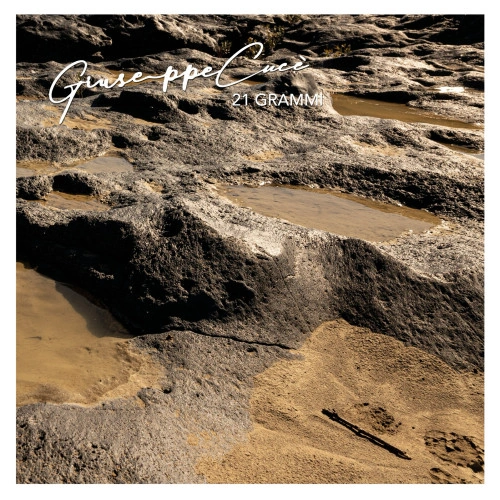
In 2022, ten years after his last album, Giuseppe Cucè took the first step towards 21 grammi. He did it with a single rather than a record. Di estate non si muore and La mia dea came out that year. Five more songs followed over the next three. On 20 June 2025, all of them found a home on the album, a concept record about the weight people carry.

Giuseppe Cucè’s opener È tutto così vero is waiting in the playlist below. Everything this network has published on him is gathered on his artist profile. 21 grammi reached NewMusic.News through PopHits.Co Music Charts, which verifies independent artists and places their releases across its network of music news desks. Press play on it, then read on for the long road behind the album.


Giuseppe Cucè on Three Years of Singles and the Making of 21 Grammi

Before 21 Grammi, Giuseppe Cucè Spent a Decade Between Records

That return makes more sense once you know where he started. Cucè grew up in Catania, a city he has described as shaped by the shadow of Mount Etna. He told M.E.I. News that he began writing songs as a teenager. Over time, it stopped being a choice and became a necessity. His early career ran through local stages and collaborations with musicians from his own city. Then came the first studio recordings.

His discography lists La ballata di un fiore (2008), La mela e il serpente (2009) and Attraversando Saturno (2012). Spotify still carries Cuore, a song from 2009, so the earlier voice is easy to find. M.E.I. News introduced 21 grammi as the record that followed two albums and numerous singles, which makes it his third.

Along the way, he also took the songs into smaller rooms. His official biography singles out a performance at the Le Petit Saint-Martin Theatre in Paris. He has also spoken about a University Radio Tour across Italy with only guitar and voice. Meanwhile, he works outside music too, creating perfumes through a project called Scenografie Olfattive, and he paints. None of that sits far from the album, which treats feeling as something you could almost weigh in your hands.

Why 21 Grammi Was Built From Singles Released Between 2022 and 2025

The concept is right there in the title. The record borrows the old idea that the human soul weighs 21 grams. It turns that into nine songs about love, desire, memory, separation and rebirth. What makes the album unusual is how long its parts had already lived in public. His discography page lists seven of the nine tracks as singles between 2022 and 2025. The opener, È tutto così vero, arrived on Spotify three weeks before the album. Una notte infinita is the one song with no earlier release listed.

That history changes how the record sits. Dimmi cosa vuoi and Fragile equilibrio had two years to settle before they were sequenced together. By contrast, Cuore d’inverno, released through TRP Vibes, joined them as the most recent piece. Heard in order, the songs read less like a collection of singles and more like chapters written out of order. That suits a concept album about memory.

Musically, the album keeps to the sound Cucè has described as analogue, orchestral and cinematic. It is Mediterranean songwriting built on real instruments, strings and piano rather than electronic production. The voice and the lyrics stay at the centre. Nine songs pass in roughly half an hour, so the concept never has to stretch to fill the space.

The response has also travelled. The album has drawn coverage across Europe, the United States and Latin America. In Germany, both Berlin On Air and NewIndieRadar wrote about 21 grammi, each placing it in indie folk.

Watch the video and check the artist’s YouTube channel for more.

Giuseppe Cucè on Three Years of Singles and the Making of 21 Grammi

After 21 Grammi, a Spanish Version With Pandi and a New Single in 2026

Since June 2025, the path has pointed outward. In October 2025, Cucè released El mundo es verdadero, a Spanish-language version of È tutto così vero. Pandi, the alias of Alessandro Spagna, adapted the lyrics. The Mexican outlet IndieAM described it as Latin pop in which son, guajira, rumba and danzón meet. It was produced by Riccardo Samperi and Pat Legato and released on TRP VIBES. For a songwriter whose work has always leaned south, it is a telling decision.

Then, on 3 July 2026, came Estasi e veleno, his newest single. It already sits at the top of his most-played songs on Spotify. Taken together, the two releases suggest a clear direction. The album’s world is being carried into another language and extended with new songs, not left behind.

For listeners, the useful reference points sit on both sides of the Atlantic. Caetano Veloso comes first, and not only as a comparison. Cucè has named him among his influences and as an artist he would love to work with. Veloso’s albums have also long paired poetic lyrics with orchestral arrangements. Jorge Drexler is the second. His literate lyrics and acoustic arrangements suit anyone drawn to the organic side of 21 grammi.

Stream Giuseppe Cucè 21 Grammi and Follow What Comes Next

From the NewMusic.News Curator Team: “Most albums are written towards a release date. 21 grammi was assembled from songs that had already lived in public, some of them for three years. That is why the concept holds together: almost every track had to earn its place twice.”

The full album plays in the Spotify player above, and it also streams on Apple Music, Deezer and Tidal. Start with È tutto così vero on Spotify. Then follow Giuseppe Cucè on Spotify, Instagram, Threads, TikTok, X, Facebook, his YouTube channel and his official site.


OneNamedPeter on Belonging, Small Towns and the Making of Passing for Human

A Lewes Songwriter Built Ten Folk, Rock and Synth-Pop Songs Alone After a Three-Year Pause

OneNamedPeter wrote, played, recorded and produced Passing for Human on his own, after three years without a new album. The ten songs that came out of that decision circle one stubborn question: what it takes to feel at home in the world.

OneNamedPeter’s title track is in the playlist below, filed alongside our singer-songwriter picks, and the full coverage history sits on OneNamedPeter’s artist profile. Passing for Human reached this desk through PopHits.Co Music Charts, which verifies independent artists and places their releases across its network of music news sites. Hear it once through, then read on.


OneNamedPeter on Belonging, Small Towns and the Making of Passing for Human

OneNamedPeter, Passing for Human and a One-Person Studio in Lewes

The setting matters here. OneNamedPeter is a British singer and songwriter based in Lewes, in East Sussex. He works as a genuinely one-person operation. As Mystic Sons put it, he writes, plays, records, produces, films and designs everything himself.

That approach has already carried him through a sizeable catalogue. His own website lists seven albums to date, including Atlas, Esc, Hurts and Pan, alongside a steady run of singles. Pan in particular drew a wide spread of reviews from independent music sites in Britain and beyond.

The pause after Pan lasted about three years. When he returned, it was with what Obscure Sound called a revived rush of inspiration, and the result was Passing for Human. The record first appeared on 21 November 2025, when the early reviews landed. It then arrived on Spotify and Apple Music on 24 April 2026. Five months on, OneNamedPeter’s Passing for Human is the natural place to start with his work.

Ten Songs That Move From Hushed Acoustic Guitar to Full-Band Rock

The album runs just over 36 minutes across ten tracks, and its range is the first thing you notice. Go Down to the River opens on acoustic strumming and an inward-looking vocal, then turns electric. Obscure Sound heard the dynamics of XTC in that shift. The Ghost of You follows with finger-picked guitar and a melancholy vocal about a love that never quite leaves.

The title track changes the palette again. There, synth-laden dreaminess sits under tasteful guitar lines, and the song takes a close look at the strange sensation of feeling out of step with everyone else. Flying works as a sister song to the opener, built on jangling guitars and a longing to escape small-town life. Hometown is the longest piece at five minutes and 20 seconds, while While You Sleep closes the record gently. Mystic Sons heard it as a lullaby that feels like a vow.

Other writers picked up the same balance. Dancing About Architecture praised the dexterous finger-picking and the less-is-more arrangements, and Songweb called the whole record a quiet earthquake of an album. The genre tags reflect that spread: alt-folk, alt-country and alt-rock pop, sometimes within a single song. Because one person made every part, the shifts never feel like a committee pulling in different directions. The same voice carries the quiet songs and the loud ones.

OneNamedPeter on Belonging, Small Towns and the Making of Passing for Human

What Passing for Human by OneNamedPeter Answers About Belonging and Small Towns

So what does the record answer? Mostly, it answers the question in its own title. Across the album, the recurring subjects are alienation, love and the pull of leaving a small place. The title track then pulls them together into a meditation on belonging and identity. The songs suggest that most people are improvising their way through being human, and that admitting it is a kind of relief.

That is also why the influences reviewers have heard make sense. XTC built a career on English songwriting that could turn from pastoral to electric within a verse, and Go Down to the River follows that route. Meanwhile, Momus spent decades making literate, soft-edged synth-pop, and the synth-lit title track sits close to that tradition. Neither comparison is about copying. Instead, both point to a British line of songwriters who treat the awkwardness of ordinary life as their main subject.

Who Passing for Human Is For

It suits listeners who move easily between folk, country and rock and do not need a record to stay in one lane. It also suits people in the UK and further afield who like albums made by hand, where the fingerprints show. Above all, it will reach anyone who has ever felt out of place in their own hometown, since that feeling runs through the whole collection.

Start with the title track, then go back to Go Down to the River and let the album play in order. Heard that way, the move from the opener’s acoustic start to the quiet close of While You Sleep feels like one long conversation. There is more on the way, too: his next album, Yours Faithfully, is due on 25 September.

From the Curator Team: “What stays with us is how Passing for Human keeps one voice across very different rooms. The hushed acoustic songs and the full-band ones sound like the same person talking, which is exactly what you would hope for from a record one songwriter wrote, played and produced alone.”

Stream OneNamedPeter Passing for Human and Follow Him Across Platforms

Stream OneNamedPeter on Spotify, Apple Music, Deezer, SoundCloud and Bandcamp. Watch his videos on YouTube, and keep up with him on Instagram, Facebook and X. All seven albums have their own pages on his official site.


SPACELY and the Making of Here, JP Warner’s Sci-Fi Single About Staying in the Moment

A Chicago Producer’s Cinematic Alt-Pop Project Turns Mental Health Into an Original Sci-Fi Saga

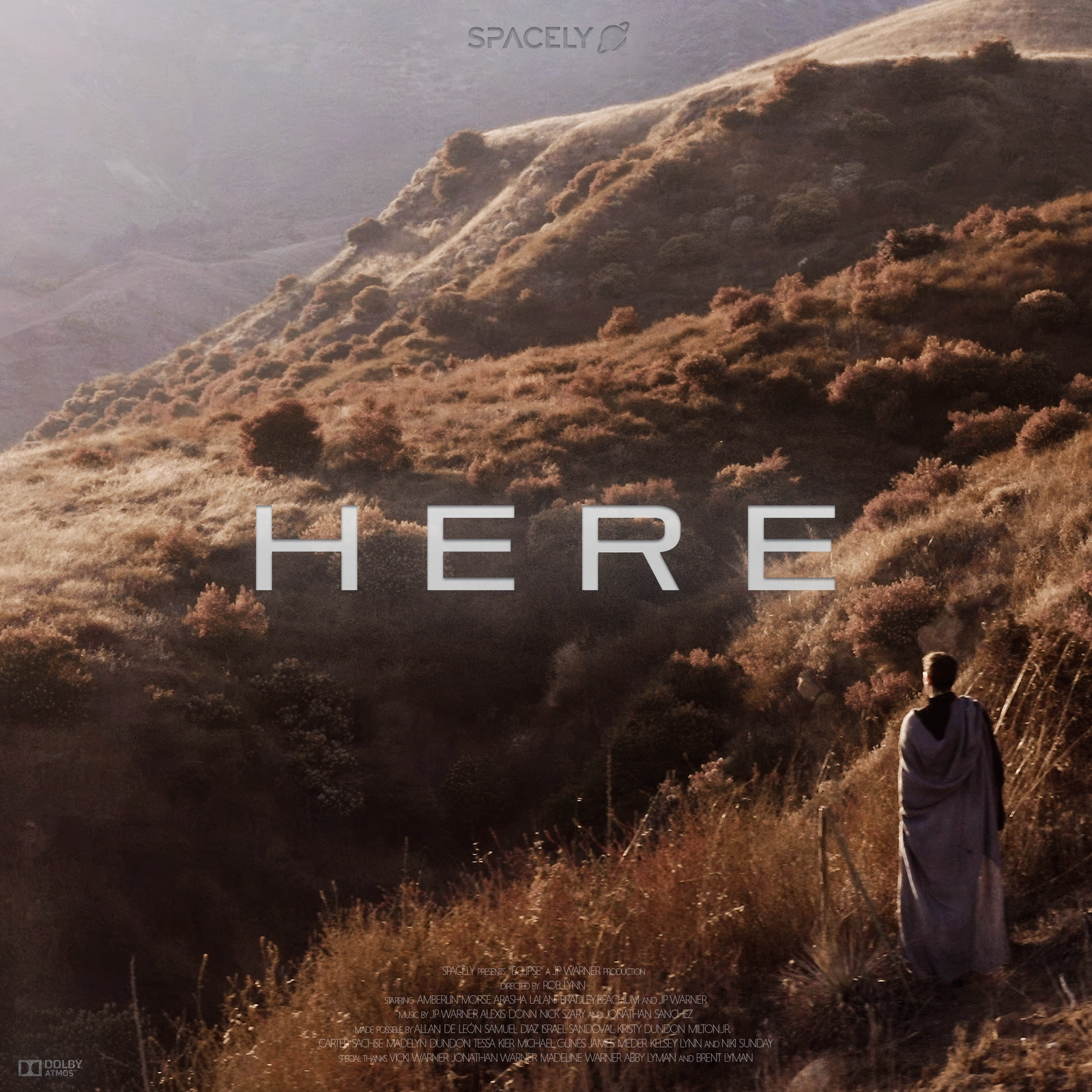
When JP Warner started writing as SPACELY, he made one decision that shaped everything after it. He would tell his own story through a character. That character is Captain Joseph Spacely, stranded with his crew on an uninhabited moon and facing their inner demons. Released on April 3, 2024, the SPACELY single Here then takes that idea somewhere direct, because it is alternative pop about staying fully present.

SPACELY and JP Warner have Here in the playlist below, so it is the first stop for anyone meeting the project today, and the rest of the coverage sits on his artist profile. Here came through PopHits.Co Music Charts, which verifies independent artists and places their releases across its network of music news sites. Play it first, then read on for why it matters now.


SPACELY and the Making of Here, JP Warner's Sci-Fi Single About Staying in the Moment
SPACELY and the Making of Here, JP Warner’s Sci-Fi Single About Staying in the Moment

Why the SPACELY Single Here Matters Now, as the Sci-Fi Saga Heads Toward Its Next Chapter

The timing is worth explaining. ECLIPSE, the album that holds Here, arrived a chapter at a time through 2024. Crash was billed as Chapter 3 that May. After that, Reforge followed as Chapter 9 of 11 by December, and the full record finally landed in 2025. Now SPACELY’s official page promises that the captain and crew will return in 2026. So the story sits between chapters, which makes this a natural moment to return to the song that states its purpose most plainly.

Here sits fourth on the finished album, after the overture, Destiny and a short interlude titled with a numeric code, 012.012.082. In total the album runs to 22 tracks and 43 minutes, and those coded interludes recur between the songs. Heard in that sequence, Here lands early, almost like the thesis of the whole record.

The SPACELY single also arrived with a head start. In the weeks after its April 2024 release, Here drew write-ups from Hailtunes, Mesmerized, Beach House Mag and Muse Chronicle. Brazil’s IndieOclock covered it too. In fact, most of them picked up on the same pairing of a large sound and a very personal subject.

The Chicago Producer Behind SPACELY and the Captain Joseph Spacely Story

The person behind it has spent years on the other side of the glass. JP Warner is a Chicago-based producer, artist and storyteller with more than a decade in the studio. First, he co-founded the DJ duo MiNDTRiX, and only then moved into pop production. His collaborators include TE/MO, Excision and Jorge Rivera-Herrans, the creator of EPIC: The Musical.

Alongside SPACELY, he also runs a jazz catalogue under his own name and NIGHTSWIM, a melodic house project. SPACELY is the one he describes as his vessel for processing what he has learned about managing his mental health and finding inner peace.

Musically, Here is built from layered synths and punchy percussion. On top, the vocal climbs from firm verses into a wide, soaring chorus. Muse Chronicle traced the influences to Hans Zimmer, Blink-182 and Porter Robinson. Meanwhile, Mesmerized heard the finished single as grand, sweeping alt-pop when it arrived.

The theme is simple, and deliberately so. Muse Chronicle described Here as a song about being fully immersed in the present moment. Similarly, Beach House Mag noted how deeply Warner’s own experience with mental health runs through the lyrics. Writing through a character is also what makes that honesty possible. SPACELY told Mesmerized that writing as Captain Joseph Spacely makes it easier to be vulnerable. In addition, the same interview credited sci-fi films as the fuel for building the world around the songs.

SPACELY and the Making of Here, JP Warner's Sci-Fi Single About Staying in the Moment
SPACELY and the Making of Here, JP Warner’s Sci-Fi Single About Staying in the Moment

What Here Offers Fans of K-Pop, Game Soundtracks and Film Scores

SPACELY’s music is pitched at a crossover crowd: fans of K-pop, Riot Games soundtracks, film scores and electronic music. The SPACELY single suits that listener well, because its hook is pop-sized while its scale borrows from the screen.

The clearest reference point is Porter Robinson, whose album Nurture turned a hard stretch of self-doubt into bright, big-hearted electronic pop. Hans Zimmer explains the other half of the sound, with its patient builds and the sense of a scene opening up. Blink-182 may look like the outlier. Still, that band’s gift for a plain-spoken chorus is exactly what keeps Here grounded.

So what does Here answer? For listeners who like their pop with a story attached, it is an easy way into a larger world. Meanwhile, for anyone facing their own version of the captain’s moon, it is a three-and-a-half-minute reminder to come back to where they are.

The NewMusic.News curator team: “Here works because JP Warner keeps the message small while the production goes big. The chorus opens out like a film cue, yet the idea at its centre is a single instruction to stay present, and that contrast is what gives the song its pull.”

Stream the SPACELY Single Here and Follow the Project Across Platforms

Start with the SPACELY single at the top of the page. After that, carry on through ECLIPSE, where Here sits among the chapters of the captain’s story.

Keep up with SPACELY and JP Warner here:


Veludo Tropical on Human-Led Bolero and the Making of No Me Digas Adiós

A Campinas Project Revives the Vintage Bolero Farewell and Says Openly How It Was Made

Every Veludo Tropical song starts as a scene: a half-lit bar, a forgotten letter, a city under rain. No Me Digas Adiós, out since 20 August 2026, opens on a farewell. In this Veludo Tropical bolero, a mature female voice carries that goodbye over a vintage arrangement. The project behind it, based in Campinas, Brazil, is also unusually direct about how it built the song.

Veludo Tropical’s farewell bolero sits in the playlist below, among the jazz and modern composition this desk keeps returning to, and the project’s full run of coverage lives on the Veludo Tropical profile. No Me Digas Adiós reached NewMusic.News through PopHits.Co Music Charts, which verifies independent artists and places their releases across its network of music news titles. Press play, stay with the whole goodbye, then carry on reading.


Veludo Tropical on Human-Led Bolero and the Making of No Me Digas Adiós

Veludo Tropical Arrives as Bolero Becomes World Heritage and Streaming Asks How Songs Are Made

Two changes in the years before this single shape how it arrives. First, in December 2023, UNESCO added bolero to its Representative List of the Intangible Cultural Heritage of Humanity. Cuba and Mexico nominated the form together, and their nomination described it as identity, emotion and poetry turned into song. The committee also noted that composers are still writing new boleros, in a living dialogue with the tradition.

The second change came from the streaming side. In September 2025, Spotify said it would back a new DDEX industry standard for showing, in a song’s credits, where AI played a part. Its argument, moreover, was that listeners deserve a more nuanced picture than a simple yes or no.

Veludo Tropical therefore sits exactly where those two stories meet. It writes new boleros, and it also says plainly that generative tools are part of its process.

The Method Behind Every Veludo Tropical Song

The project describes its method in some detail. Each track begins with a human creative direction: a scene, a feeling, a story and an artistic intention. After that, generative and digital tools come in during production. Selection, revision, the mood each song aims for, the visual identity and the final decisions all stay in human hands. The project is also careful not to present the technology as the artist.

That openness is rarer than it should be, because plenty of machine-assisted music reaches streaming services with no word on how anyone made it. Here, by contrast, the project states its method up front, alongside a clear account of what the tools do and what they do not do.

The inspiration, however, is far older than any of the tools. Veludo Tropical draws on the classic nights of Latin America, blending bolero with smooth Latin jazz, serenade and sophisticated vintage arrangements. In fact, No Me Digas Adiós is its first release on Spotify.

Watch the video and check the artist’s YouTube channel for more.

Veludo Tropical on Human-Led Bolero and the Making of No Me Digas Adiós

No Me Digas Adiós Takes Nearly Five Minutes to Say One Goodbye

The title translates as “don’t tell me goodbye”, and the song gives that plea room to breathe. It runs to about four minutes and forty seconds. That is long for a single in 2026, yet right for a bolero, where a goodbye usually takes a whole song to say. Meanwhile, a mature female voice leads, and the arrangement leans on the vintage Latin colours the project names as its home ground.

The project’s YouTube channel bills the official video, embedded above, as a vintage romantic bolero. It also suits the song’s film-like staging, with one scene played out slowly.

Two reference points help place the mood, with no connection implied between the artists. For instance, Omara Portuondo, the Cuban singer long linked with the Buena Vista Social Club, has spent decades showing how much a mature voice can put into a bolero. Luis Miguel, on the other hand, took the form to a new generation in 1991 with Romance, on which he and producer Armando Manzanero reworked classic boleros. As a result, No Me Digas Adiós speaks to listeners who know both of those voices and still want new songs in the same spirit.

What This Veludo Tropical Bolero Answers, and Where the Project Goes Next

The question this release answers is a simple one: can a project that uses new tools still make a bolero that means something? Veludo Tropical’s reply is to keep the parts that matter in human hands, and then to tell you so. After that, the rest is the song’s job, and it takes its time doing it.

For listeners of classic bolero, smooth Latin jazz and film soundtracks, it is an easy one to add to a late-evening rotation. It should also make particular sense in Brazil, Mexico, Bolivia and Venezuela, where the project is aiming its first releases. Similarly, Spanish-speaking audiences who grew up with the form are a natural home for it.

The project has not stood still since. A second single, Perfume de Medianoche, followed on 11 September 2026. A third, Bajo la Luna de La Habana, already appears on the project’s site, where fans can pre-save it on all stores.

NewMusic.News’s curator team: “A bolero depends on patience, and No Me Digas Adiós has it: close to five minutes spent on one goodbye, with a mature voice and a vintage setting doing the work. We would also like more projects to follow its lead on disclosure, because telling listeners how you made a record costs nothing and earns trust.”

You can follow Veludo Tropical across these platforms:


Inside 唇友谊: Moon Chew, a Singapore Music Producer, Makes Room for a Rapper

Moon Chew Built Her Singapore Catalogue Beside One Collaborator, and 唇友谊 Adds a Third Voice

Most of the records Moon Chew works on in Singapore are not hers. She is a music producer who also works as a mixing engineer, and for most of the last decade her job has been simple enough to state. Take other people’s songs and make them sound like themselves. On 唇友谊, out on 8 May 2026, she did something she had not done on one of her own tracks. She gave part of it to somebody else.

Moon Chew’s music is in the playlist below, and the coverage history sits on the Moon Chew profile. 唇友谊 reached this desk through PopHits.Co Music Charts, which verifies independent artists and places their releases across its network of music news titles. Listen before you read the rest.


Inside 唇友谊: Moon Chew, a Singapore Music Producer, Makes Room for a Rapper

How Moon Chew Got From the Singapore Mixing Desk to the Front of the Song

The order of her career is worth knowing, because it is the reverse of the usual one.

Moon Chew has worked in music production since 2010, and she still takes client work as a mixing engineer. Her SoundBetter profile describes her plainly as a Singapore-based mixing engineer and vocalist. It lists mixing at around three hundred dollars a song and carries seventy-four reviews. She works in Logic Pro X through an Audient interface, on PreSonus monitors, into a Neumann TLM 103. During the pandemic, when nobody could share a room, she mixed virtual classical orchestra and choir projects. That job teaches you how to assemble a performance out of parts that never met.

She is also clear about what she thinks the work is for. On that same profile she puts musicality and emotion ahead of sounding technically good. Her job, as she describes it, is bringing those out of somebody else’s mix.

The Covers Came Before the Songs

The singing arrived in public later, and it arrived through other people’s material.

From 2017 she began posting covers on her YouTube channel. Two of them, 畢竟深愛過 and 紙短情長, say so in their own titles. That grounding still shows in what listeners reach for. Several of her most-played recordings share their titles with well-known Mandopop songs, among them 體面, 烏梅子醬 and 讓我留在你身邊. Hear65, the Singaporean music platform run by Bandwagon, lists fifteen of her releases. It files them across pop, Mandopop, alternative, acoustic and electronic.

Covers are a reasonable way for a producer to become a singer. You learn the front of the song without also having to defend the writing. If you are already the person mixing it, you can hear exactly what your own voice needs. Her own stated reference points sit in that lineage. She names LaLa Hsu, Rainie Yang and G.E.M. as the singers her work sounds like. The originals came after that, and she produced, arranged and mixed those herself.

What 唇友谊 Changes for Moon Chew in Singapore

She has made most of her originals on her own, and many of the recent ones with a single collaborator, which is the part the release itself makes visible.

Spotify credits GHAZT on 唇友谊. GHAZT also appears on at least five more of her originals: 餘光一角, 躲猫猫物语, Mobius Strip (莫比乌斯环), 换季关系 and 血吻. 换季关系 got an official music video in November 2024. Read across the catalogue, GHAZT is not a guest on a track. GHAZT is the other half of how these songs get written.

That is what makes the new name interesting. The credits name Edward Chan as the rapper and the song’s lyricist, and his Spotify artist page currently lists this one track. The collaboration is at its start, then, rather than somewhere inside an established run. A settled two-person partnership with six songs behind it has a shape, and shapes are hard to open. Handing a section to a third person means agreeing in advance to leave room you would otherwise have filled.

From the NewMusic.News curator team: “The story on 唇友谊 is not that an independent singer booked a feature. It is that a working music producer decided her own song would be better with somebody else in it. She has spent years making other people’s records sit right. That is a harder call than it sounds when you are also the one balancing the result.”

Inside 唇友谊: Moon Chew, a Singapore Music Producer, Makes Room for a Rapper

What the Track Answers

Three minutes is not long to introduce a third voice, and the track does not try to stage a summit.

What it does is test the Moon Chew and GHAZT arrangement. Can it carry a register it has not carried before? The catalogue around it leans on sung Mandopop melody, some of it acoustic, some of it electronic. A rap verse is a different rhythmic logic. It either sits inside the arrangement or it sits on top of it. Anyone who has mixed for a living knows which of those they are aiming for, and Moon Chew mixed this one with GHAZT.

The opposite decision is just as deliberate, and this desk has written about a debut built with no guests at all. Neither route is the safe one. They just fail in different directions.

Whether this is a new direction or a single experiment stays open. Her releases have arrived steadily enough that an answer should not be far off. The useful thing about following a producer who fronts her own records is simple. You hear the decision-making rather than guess at it.

Where to Hear 唇友谊 by Moon Chew

唇友谊 is on Spotify, and her back catalogue sits on her YouTube channel.

Follow Moon Chew on Instagram, TikTok and Facebook.


Flixton: Te Quiero Aqui and the Case for A Five-Minute Dance Track

The Devon-Based Producer Comes From Manchester and Releases Across Six Drum and Bass Labels

Te Quiero Aqui runs five minutes and twelve seconds. That is a long time for a vocal dance record, and it is the first thing worth knowing about it, because everything else follows from the decision to leave it that length. Flixton released it on 24 November 2023, and a drum and bass producer writing a Spanish-titled, pop-leaning track was not the obvious next move for him.

Flixton’s music is in the playlist below, and this desk’s coverage of him is collected on the Flixton profile. Te Quiero Aqui reached NewMusic.News through PopHits.Co Music Charts, which verifies independent artists and places their releases across its network of music news titles. Start it playing, then read on.


Flixton: Te Quiero Aqui and the Case for A Five-Minute Dance Track

Where Flixton Comes From, And What Te Quiero Aqui Is

He is from Manchester and lives in Bideford, on the north Devon coast. That is a long way from any drum and bass scene worth the name, and the distance shapes the catalogue.

Producers who cannot walk to a club night tend to write for the record rather than for the room. It shows here: most of his output goes out through labels rather than through sets.

There is a lot of it. His own pages list releases on Lizplay, Mathematica Records, Liquid Brilliants, Nexxus Recordings, Ransom Recordings and UltraTech Liquid NRG. The Bandcamp catalogue reads like a working producer’s ledger: Spectrums, Through The Woods, Real Murda and Sniffer on Ransom, Afterlife and I Don’t Want on Ultratech, The Only Religion, Dark Skies and Broken Reality on Nexxus. Each carries a catalogue number.

Alongside them sit free bootlegs and dubs. That is what a producer does when a track works on a floor but cannot be cleared.

Why Five Minutes Twelve Is The Point

Against that background, Te Quiero Aqui is a departure. It has a sung lead and a Spanish title. Its structure gives the vocal room to arrive rather than dropping straight into the break.

It gets filed as commercial vocal dance, drum and bass, and electronic pop all at once. For once that triple tag is doing real work rather than hedging, because the track genuinely sits between the three.

Five minutes twelve is the tell. A pop record would have been cut to three. A club record would have kept the intro long and the vocal short. Flixton did neither on Te Quiero Aqui, which suggests he wrote it as a song and arranged it as a dance track, in that order.

Flixton: Te Quiero Aqui and the Case for A Five-Minute Dance Track

What Te Quiero Aqui Answers

The question a catalogue track poses is whether it found the audience it was built for. The coverage suggests it found a slightly different one.

Tape Ranger ran an artist spotlight in December 2023. They called it a catchy tune with a dynamic instrumental, and credited the songwriting and the production work separately, which is a distinction worth noticing. They then added it to their Indie POP! playlist. Inspot Music picked it up for a daily discovery round-up in the same period.

Neither of those is a drum and bass outlet. A producer with six DnB label affiliations made a track that indie-pop curators reached for. That is the most interesting thing that happened to this record, and it suggests the song survives being taken out of its genre context.

From the Curator Team: “We keep this one on file because of where it landed rather than where it came from. A drum and bass producer whose track gets picked up by a pop playlist has written something with a spine that holds up without the sub underneath it. That is the harder skill, and it is why the record is still worth putting in front of people two years on.”

Who It Is For, And Where To Hear Flixton

His wider catalogue backs the reading. Alongside the label output sit Breaking Up, Angel In My Bed, XTC, More Forgiving, Future Thoughts, In My Lair, Didn’t Wanna Lie, New Beginnings and Freedom, plus Realize with Platnum. Those are song titles, not track titles. He has been writing toward this for a while.

So this suits listeners who want dance music with an actual vocal performance in it. It suits people comfortable with a record that takes its time. You do not need to know the difference between liquid and jump-up to enjoy it.

Te Quiero Aqui is on Spotify, and the label catalogue is on Bandcamp.

Follow Flixton across platforms: Spotify artist page, Instagram, Facebook and X.


Markus Nokio the Orphan and the Violin That Answers the Piano

A Self-Taught Finnish Composer and the String Line That Opens up a Solo Piece

Markus Nokio built The Orphan around a single decision, and two reviewers found it independently. Writing five days apart, in different countries and different languages, both stopped at the same place. Not the opening piano figure, which circles quietly under everything. They stopped at the moment a violin enters over it. That kind of agreement between strangers usually points at a decision rather than an accident.

Markus Nokio’s music is in the playlist below, and his full coverage history sits on his artist profile. The Orphan reached this desk through PopHits.Co Music Charts, which verifies independent artists and places their releases across its network of music news desks. Press play, then read on.


Markus Nokio the Orphan and the Violin That Answers the Piano

The Moment Markus Nokio Built The Orphan Around

Nokio taught himself to compose, works out of Finland, and describes what he does in plainly commercial terms: music for media, television, film and games. That detail explains a good deal about The Orphan. Writing to picture teaches a particular discipline. You learn to hold one line steady while something else moves against it. You also learn that a second voice entering is an event, and that a listener feels it whether or not they can name it.

The Orphan runs on exactly that principle. The piano underneath holds a continuous melody, which Good Music Radar described as flowing at the base like a river. On purpose, it does not do very much. It is a bed. The violin, when it arrives, does not compete with the piano so much as reply to it, and the piece opens outward from there. Nokio keeps faint vocal echoes behind the strings, far enough back that they read as colour rather than as singing.

The Year That Produced The Orphan

The Orphan did not arrive out of nowhere, and for its composer it was not a rare event. It went up on 9 October 2024 as his fifth release of that year. Earlier singles included Love, Rage and Misery and After It’s Too Late. Five pieces in ten months is a working pace rather than a careful one, and that changes how you hear this one. Markus Nokio writes steadily and puts the results out. So The Orphan reads less as a statement than as an entry in a run, and the run is where the craft accumulated.

People use the self-taught label loosely, so it is worth being precise about what it buys and what it costs. Nokio writes, by his own account, about his experiences in life, and the titles match. A conservatory would have handed him a vocabulary for the thing he does anyway. Its absence left him incurious about the rules governing what a contemporary classical piece ought to withhold. The Orphan is unembarrassed about its feeling. It states a mood early, then deepens it rather than complicating it, which is a choice a more schooled writer might have talked themselves out of.

Markus Nokio the Orphan and the Violin That Answers the Piano

Where The Orphan Sits, and What Markus Nokio Answers With It

Contemporary classical is a wide and slightly awkward label. It covers severe modernism at one end and piano music written for headphones at the other. The Orphan belongs firmly to the second group, and its neighbours are easy to name. Listeners who have spent time with Ludovico Einaudi will recognise the method: hold a simple figure, and let repetition do the work that harmonic surprise does elsewhere. Anyone who follows Ólafur Arnalds knows the particular pleasure of a string line entering over a piano that has already established the room. And Max Richter has spent a career showing that a piece built to be usable in film still works with nothing on the screen.

That last point is the one The Orphan answers most clearly. Critics often dismiss music by composers who score to picture as merely functional, as though supporting a scene were evidence of thinness. Both reviews argued the opposite. Both reached for stories rather than for other records to do it. Good Music Radar heard Oliver Twist and Annie. INDIEOCLOCK, writing in Brazil, described walking through empty woods, and found something medieval in the harmony between the violin and the keys. Nobody prompted either reading. That both writers went looking for a narrative suggests the piece supplies one.

NewMusic.News’s curator team: “The interesting thing about The Orphan is how little it spends. One piano figure, one violin answering it, and some vocal colour kept well back. A composer with more training might have added a development section and lost the whole effect. Markus Nokio trusted the entrance to carry it, and it does.”

Where to Hear The Orphan and Follow Markus Nokio

The Orphan is on Spotify, and the wider catalogue sits on the Spotify artist page, on Apple Music, on YouTube Music and on SoundCloud.

For the working side of things, which for a composer who writes to commission is most of it, Markus Nokio posts to YouTube, Instagram, Facebook, TikTok and Threads.


Perpetual Violence Machine: How Hydra Vein Turned One Last Show Into A Third Act

A Brighton Thrash Band Reformed for One Night in 2020 and Never Actually Stopped

On 29 February 2020, Hydra Vein walked onto a stage at Newcastle University for the first time in more than thirty years. The show was not a comeback. It was meant to be a goodbye, and the band said so plainly at the time. Five years later there is a new EP. Perpetual Violence Machine runs five thrash tracks and roughly twenty-three minutes, out on Iron Shield Records.

Five tracks by Hydra Vein sit on the playlist below, and the band’s artist profile records what these titles have published on the thrash group. Perpetual Violence Machine was logged with this network by PopHits.Co Music Charts, the vetting scheme that verifies independent artists and places their releases across its network of music news desks. Play it straight through, then read what changed.


Perpetual Violence Machine: How Hydra Vein Turned One Last Show Into A Third Act

Before Perpetual Violence Machine, Hydra Vein Reformed To Say Goodbye

Hydra Vein formed in Brighton in 1987 around bassist Damon Maddison and his brother Nathan on drums. Two records followed, in 1988 and 1989, and then the band stopped. Most British thrash groups of that decade stopped around the same time. They had never found the label support their American and German contemporaries enjoyed.

What brought them back was not a label offer. It was a pub conversation with Stu Bartlett, who promotes Brofest. That Newcastle festival is built around veterans of the new wave of British heavy metal, plus the younger bands who returned to that material. The Maddisons had been going for years as paying customers.

The reunion also had a specific purpose, and it was not commercial. Guitarist Jon Balfour, who played on the second album, died in 1992. The band’s original singer, Mike Keen, died in 2003. The Brofest set became a tribute to both, and the line-up reflected that. The Maddison brothers played alongside guitarists Stephen Davis and Dan Ranger from the first record, Paul Bate from the second, and singer James Manley-Bird. It read less like a booking than a gathering of everyone still around to play the songs.

Nathan Maddison explained the thinking to RushOnRock in the days before the show.

“For me personally, it is to put a line under Hydra Vein, to properly sign off with those old tunes and a celebration of the memory of Mike and Jon.”

He was blunter later in the same conversation: “We thought it would be fun to bring the curtain down properly and to pay tribute to the guys who are no longer with us. Closure, I suppose.” The piece recorded, plainly, that there were no plans for a follow-up performance.

That sentence is worth sitting with, because everything after it happened anyway.

Perpetual Violence Machine: How Hydra Vein Turned One Last Show Into A Third Act

What Perpetual Violence Machine Answers About A Band That Meant To Stop

The EP arrived in October 2025 on Iron Shield Records. The band recorded and mixed it at IJland Studios in Amsterdam, across March and May of that year. Five tracks: Perpetual Violence Machine, Iron Men, Black Slammer, Strive For Life and A Thousand Forms of Fear.

The line-up is not the one that stood on the Brofest stage either. Damon Maddison is the constant. Around him now sit Ross Curry on vocals, Henry Pol on guitar and John den Buitelaar on drums. That makes this less a legacy act touring its own back catalogue, and more a working band carrying an old name.

So the EP quietly answers the question the 2020 show left open. A reunion staged as closure could easily have settled into an annual heritage booking. Instead the band wrote new material and recorded it in another country with a different singer. They also kept it short enough that nobody could mistake it for a victory lap.

The reference points here are domestic rather than American. Listeners who follow Onslaught or Xentrix will recognise what Hydra Vein are doing. Those are the other British thrash bands of that generation who came back and then kept working. It is a scene that never got its own Bay Area moment and has spent the last decade quietly assembling one anyway.

Where To Hear Perpetual Violence Machine And Follow Hydra Vein

NewMusic.News’s curator team on why it earned a slot:

“Most reunions are about an audience. This one began as a farewell for two friends who had died, and turned into new material almost by accident, which is a stranger and far more interesting reason for a band to still exist.”

You can hear the EP on Spotify and Bandcamp, or across Apple Music, Deezer and Amazon Music. The full EP is also streaming on YouTube.

Keep up with the band on Facebook and Instagram.